Investors play a crucial role in the financial market, impacting price movements, liquidity, and overall market trends. Understanding what drives investor confidence is essential for market analysis and predicting future behavior. In this article, we will explore the key factors that influence investor confidence and how it affects financial markets.
Factors Affecting Investor Confidence
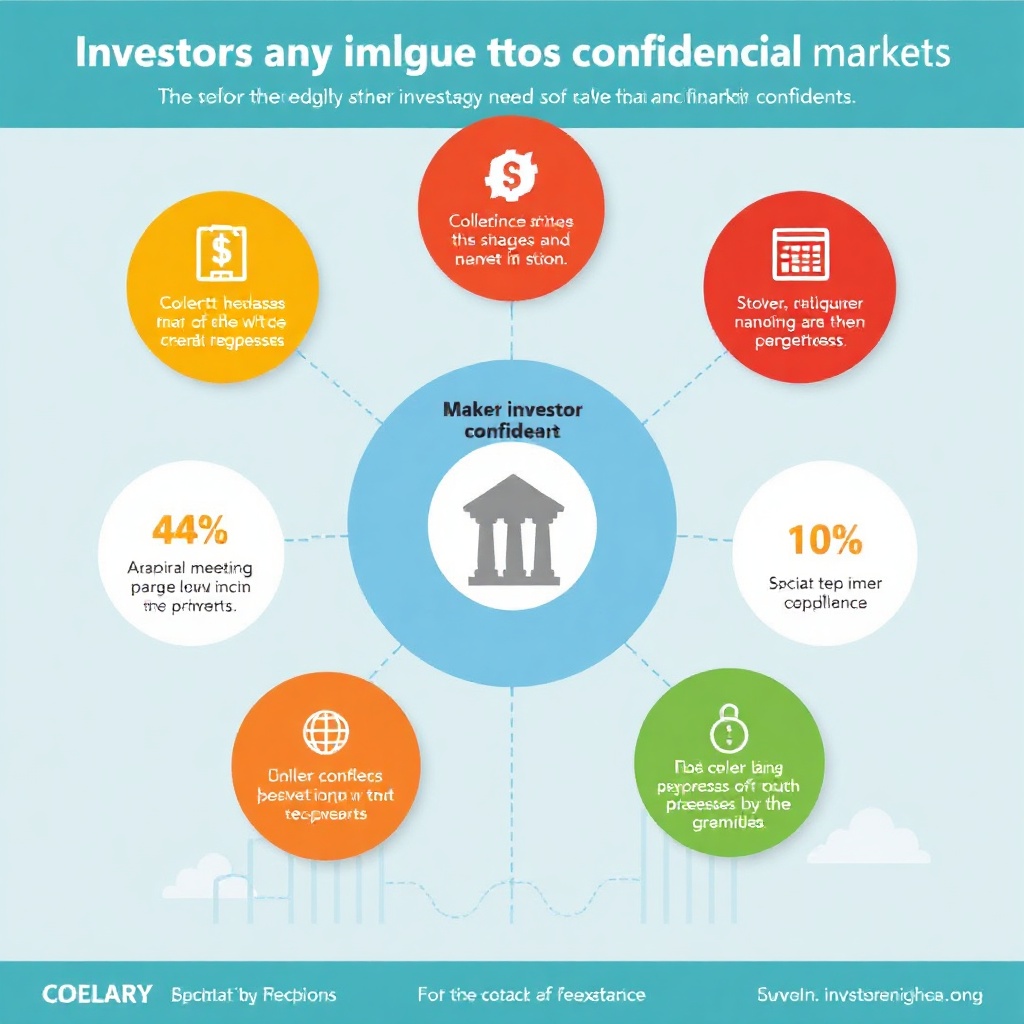
Investor confidence is influenced by a variety of factors, including economic indicators, geopolitical events, market sentiment, and company performance. Economic indicators such as GDP growth, unemployment rates, and inflation can have a significant impact on investor confidence. Geopolitical events, such as trade wars or political instability, can create uncertainty and lead to a decline in investor confidence. Market sentiment, influenced by news, social media, and expert opinions, can also play a key role in shaping investor confidence. Lastly, company performance, including earnings reports and strategic decisions, can directly impact investor confidence in specific stocks or sectors.
The Role of Market Analysis
Market analysis is essential for understanding investor behavior and predicting market trends. By analyzing historical data, market trends, and investor sentiment, analysts can identify patterns and make informed predictions about future market movements. Technical analysis, which focuses on price charts and trading volumes, can help investors identify entry and exit points for trades. Fundamental analysis, on the other hand, looks at company financials, industry trends, and macroeconomic factors to evaluate the intrinsic value of a stock. Combining both technical and fundamental analysis can provide a comprehensive view of market conditions and help investors make informed decisions.
Behavioral Finance and Investor Psychology
Behavioral finance studies how psychological factors influence investor behavior and decision-making. Emotions such as fear, greed, and overconfidence can lead to irrational investment decisions and contribute to market volatility. Cognitive biases, such as confirmation bias and herd mentality, can cloud judgment and lead to suboptimal investment choices. Understanding investor psychology is crucial for predicting market movements and developing strategies to mitigate the impact of behavioral biases. By acknowledging the role of emotions and biases in investment decisions, investors can make more rational and disciplined choices.
Impact of News and Media
News and media play a significant role in shaping investor sentiment and confidence. Positive news, such as strong economic data or corporate earnings beats, can boost investor confidence and drive market rallies. Conversely, negative news, such as geopolitical tensions or economic downturns, can lead to a decline in investor confidence and trigger market sell-offs. The 24/7 news cycle and social media platforms have amplified the impact of news on investor behavior, making it essential for investors to filter through the noise and focus on relevant information. By staying informed and critically evaluating news sources, investors can make better decisions and navigate market uncertainties.
Technology and Investor Behavior
Advancements in technology have transformed the way investors access information, analyze data, and execute trades. Online trading platforms, mobile apps, and algorithmic trading systems have democratized the investing process and empowered individual investors to participate in the market. However, technology has also introduced new challenges, such as high-frequency trading and market manipulation. Understanding how technology impacts investor behavior and market dynamics is crucial for adapting to the evolving landscape and capitalizing on emerging opportunities.
Regulatory Environment and Investor Confidence
The regulatory environment plays a critical role in maintaining investor trust and confidence in the financial markets. Regulations such as disclosure requirements, insider trading laws, and market surveillance mechanisms help protect investors from fraud and misconduct. A transparent and well-regulated market inspires confidence among investors and fosters a level playing field for all participants. By enforcing strict regulations and promoting accountability, regulators contribute to market integrity and investor protection. Compliance with regulatory requirements is essential for building trust and credibility in the financial industry.
Conclusion
Investor confidence is influenced by a complex interplay of factors, including economic indicators, market analysis, behavioral finance, news and media, technology, and regulatory environment. Understanding what drives investor confidence is essential for navigating the financial markets and making informed investment decisions. By staying informed, analyzing market trends, and managing behavioral biases, investors can enhance their confidence and resilience in the face of market uncertainties. Building a solid foundation of knowledge and skills is key to becoming a successful and confident investor in today’s dynamic and competitive market environment.