Climate change is a pressing issue that not only affects our environment but also has significant implications for global markets. As temperatures rise and extreme weather events become more frequent, industries across the world are facing unprecedented challenges. In this article, we will explore how climate change could reshape global markets in the coming years.
The Impact of Climate Change on Agriculture
Climate change poses a serious threat to global food security, as shifting weather patterns and rising temperatures can have devastating effects on crop yields. In regions heavily reliant on agriculture, such as Africa and Asia, farmers are already feeling the impact of climate change. Droughts, floods, and pests are becoming more common, leading to lower productivity and higher food prices.
Energy Transition and the Rise of Renewable Technologies
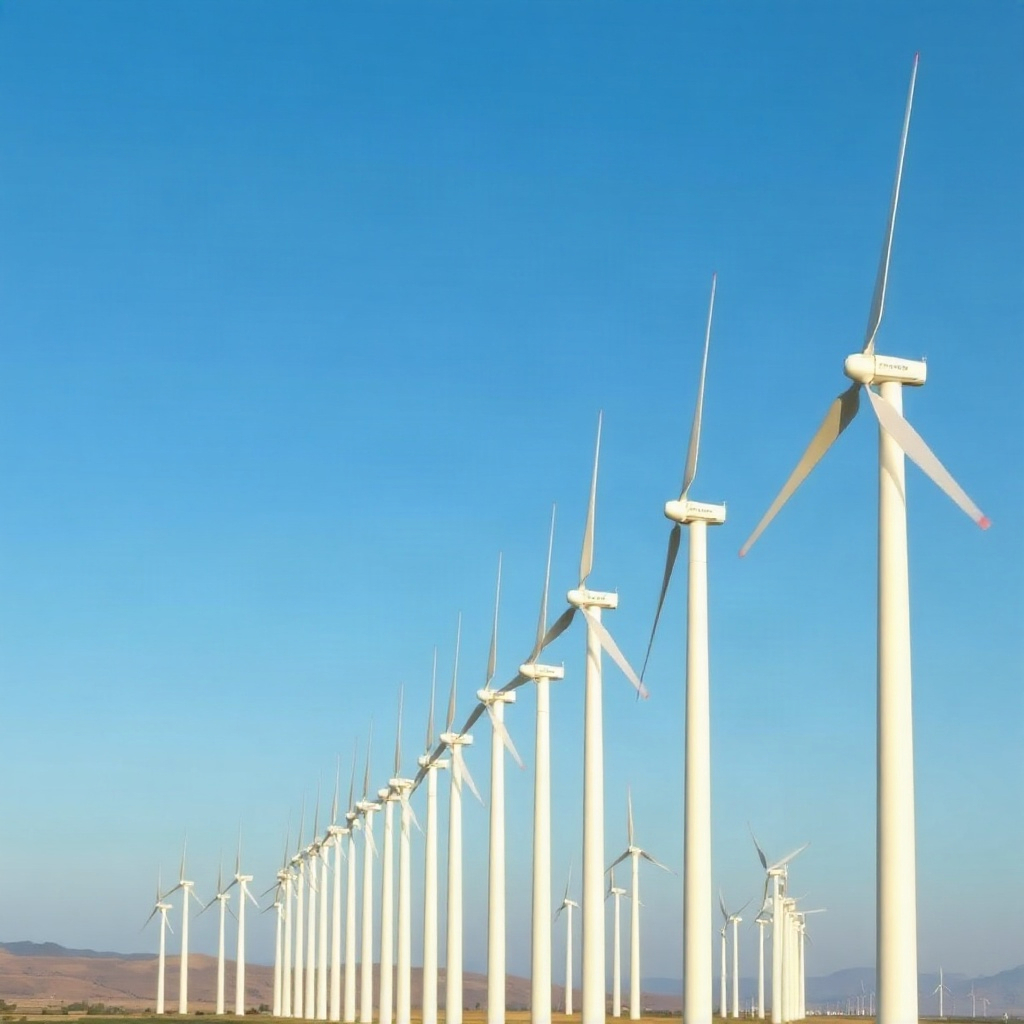
As the world moves towards a low-carbon economy, the demand for renewable energy sources is expected to soar. Solar, wind, and hydropower are becoming increasingly competitive with traditional fossil fuels, leading to a shift in the energy landscape. Countries that invest in renewable technologies early on stand to gain a competitive edge in the global market.
The Role of Sustainable Investing in Reshaping Financial Markets
Investors are increasingly looking to incorporate environmental, social, and governance (ESG) factors into their decision-making process. Sustainable investing is gaining momentum as more companies prioritize sustainability and transparency. Financial markets are starting to reward companies that demonstrate a commitment to ESG practices, signaling a shift towards a more sustainable future.
Supply Chain Disruptions and Resilience
Climate change-related disruptions, such as extreme weather events and natural disasters, can have a significant impact on global supply chains. Companies are now focusing on building resilience into their supply chains to better withstand future shocks. This includes diversifying sourcing locations, investing in technology, and fostering closer collaboration with suppliers.
Climate Risks and the Insurance Industry
The insurance industry plays a crucial role in helping businesses and individuals manage climate risks. With the increasing frequency and severity of natural disasters, insurers are facing mounting claims and higher costs. Insurers are now reevaluating their risk models and pricing strategies to account for the impact of climate change, which could lead to changes in insurance premiums and coverage.
Green Technologies and Innovation
The push towards sustainability is driving innovation in green technologies across various industries. From electric vehicles to smart grids, companies are investing in clean technologies to reduce their carbon footprint and comply with regulations. The adoption of green technologies is not only environmentally friendly but also presents new business opportunities and competitive advantages.
Policy Shifts and Regulatory Changes
Governments around the world are enacting policies and regulations to combat climate change and promote sustainable practices. From carbon pricing mechanisms to emissions targets, regulatory changes are shaping how companies operate and invest. Businesses that fail to adapt to these policy shifts risk falling behind and losing their competitive edge in the global market.