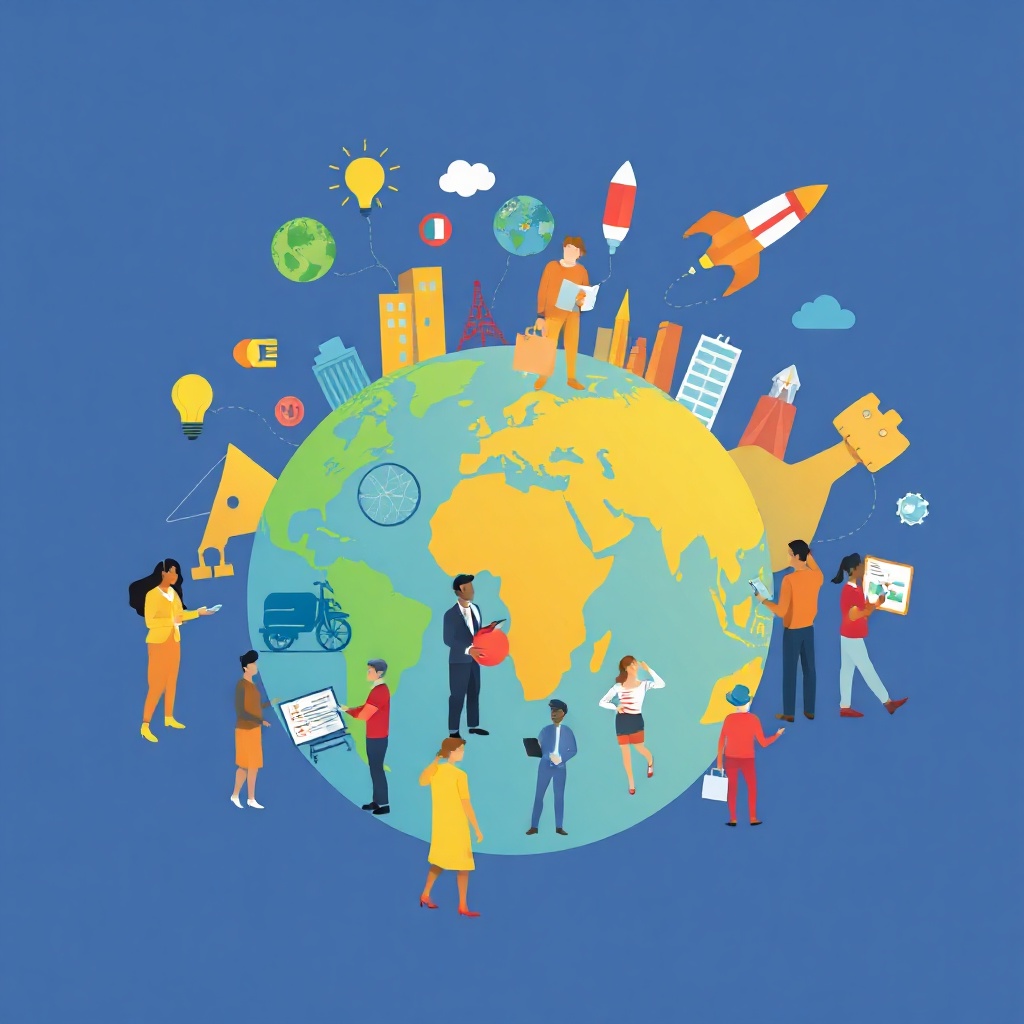
The world economy is constantly evolving, shaped by various major trends that impact businesses, governments, and individuals globally. In this academic article, we will delve into the significant shifts in the world economy and their implications for the future.
The Rise of Digitalization
Digitalization has revolutionized the way businesses operate, with the adoption of technology becoming a necessity for survival. From e-commerce to artificial intelligence, the digital landscape is reshaping industries and creating new opportunities for growth and innovation.
Sustainable Development and Green Initiatives
As the world grapples with environmental challenges, sustainable development has become a key focus for businesses and governments alike. Green initiatives, such as renewable energy projects and waste reduction strategies, are not only beneficial for the planet but also for the economy in the long run.
Globalization and Trade Dynamics
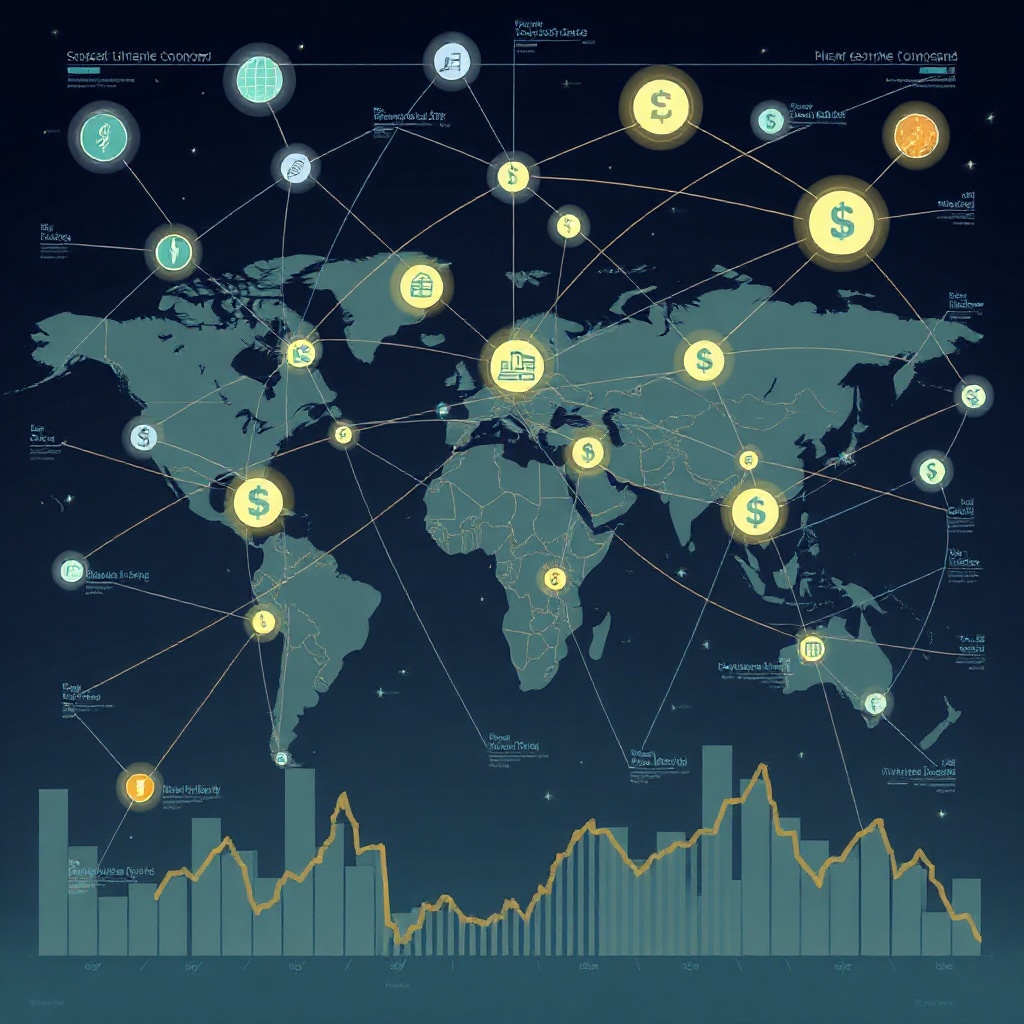
Globalization has interconnected economies like never before, leading to increased trade flows and cross-border investments. However, recent geopolitical tensions and trade wars have highlighted the fragility of this interconnectedness, posing challenges to the stability of the global economy.
Demographic Shifts and Aging Populations
The world’s population is aging rapidly, with profound implications for economic growth and sustainability. As the proportion of elderly individuals increases, governments and businesses must adapt their policies and practices to address the needs of an aging workforce and consumer base.
Technological Disruption and Job Automation
The rapid advancement of technology is transforming industries and reshaping the future of work. Automation and artificial intelligence are replacing traditional jobs, leading to concerns about job displacement and the need for upskilling and reskilling programs to prepare the workforce for the jobs of tomorrow.
Financialization and Income Inequality
The rise of financialization has led to increased income inequality, with a small percentage of the population holding a disproportionate share of wealth. This trend has significant implications for social cohesion and economic stability, highlighting the need for policies that promote inclusive growth and wealth redistribution.
In conclusion, the world economy is undergoing significant changes driven by major trends such as digitalization, sustainable development, globalization, demographic shifts, technological disruption, and financialization. Navigating these trends requires a proactive approach from businesses, governments, and individuals to ensure a sustainable and inclusive economic future.