Technology

How Technology Is Reshaping the Future of Work

Technology has been rapidly changing the way we work, and its impact on the future of work is undeniable. From automation to artificial intelligence, the workplace is evolving at a rapid pace. In this article, we will explore how technology is reshaping the future of work and what implications it has for businesses and employees alike.

The Rise of Automation

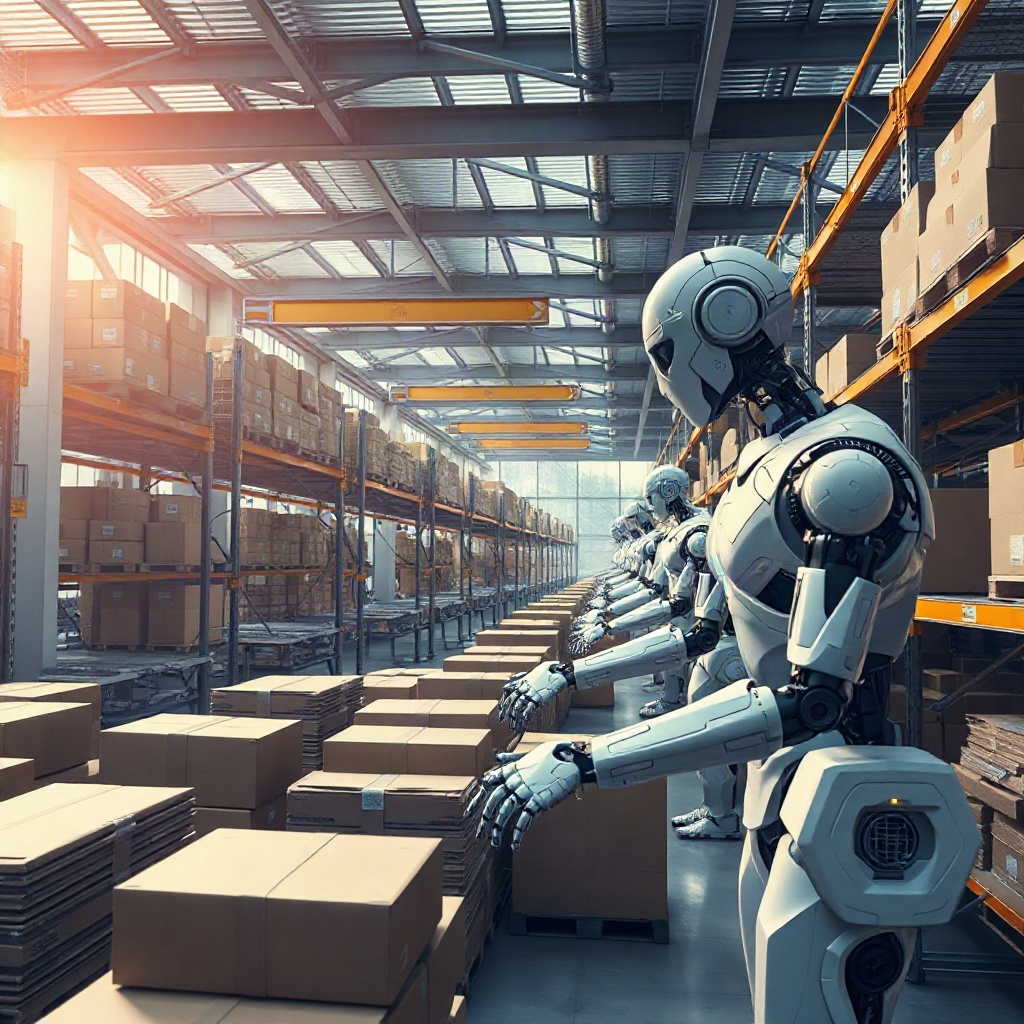
Automation has become a key driver in reshaping the future of work. With advancements in robotics and machine learning, routine tasks are becoming increasingly automated, freeing up employees to focus on more strategic and creative work. This shift is revolutionizing industries from manufacturing to finance, and companies are looking to invest in automation technologies to stay competitive in the market.

Embracing Artificial Intelligence

Artificial intelligence (AI) is another major player in the transformation of the workplace. AI-powered tools are being used to streamline processes, analyze data, and even make decisions traditionally made by humans. As AI continues to advance, businesses are finding new ways to leverage this technology to improve efficiency and productivity.

The Gig Economy and Remote Work

The rise of the gig economy and remote work is also reshaping how we think about traditional employment. With the ability to work from anywhere, more individuals are choosing freelance or contract work over traditional 9-5 jobs. Companies are adapting to this shift by offering more flexibility and remote work options to attract and retain top talent.

Upskilling and Reskilling

As technology continues to advance, the need for upskilling and reskilling employees is more important than ever. With roles evolving and new skills in demand, companies are investing in training programs to ensure their workforce is equipped to handle the changing landscape. This focus on continuous learning is essential for employees to stay relevant in the ever-evolving job market.

The Impact on Company Culture

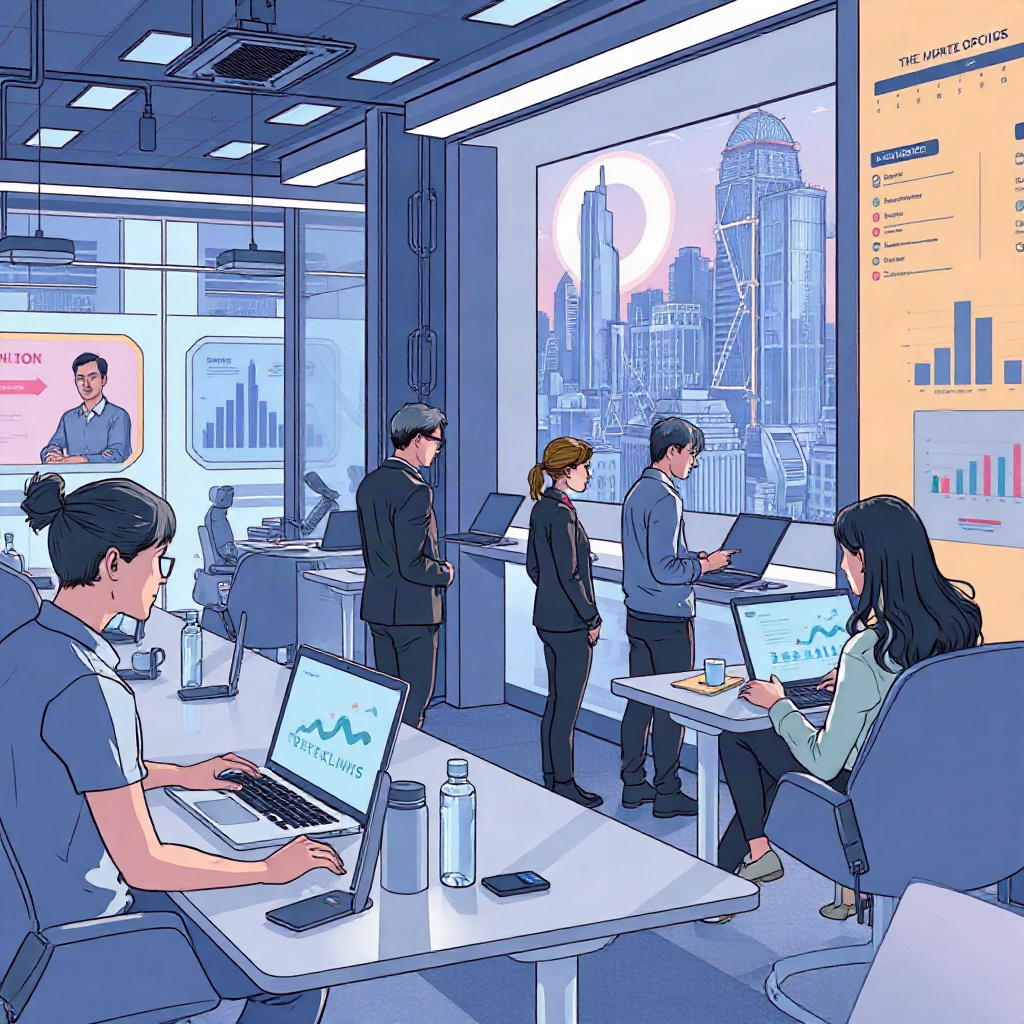
Technology’s impact on the future of work goes beyond just the tasks we perform. It also has a significant impact on company culture. With remote work becoming more common, companies are reevaluating their communication strategies, team dynamics, and overall work environment to foster collaboration and innovation in a virtual setting.

Ethics and Privacy Concerns

As technology becomes more integrated into the workplace, there are growing concerns around ethics and privacy. From data security to algorithm bias, companies must navigate these complex issues to ensure they are using technology responsibly. Addressing these concerns is crucial to maintaining trust with employees and customers in an increasingly digital world.

The Future Workforce

Looking ahead, the future of work will continue to be shaped by technology in ways we have yet to imagine. From augmented reality to quantum computing, the possibilities are endless. Companies that embrace these technological advancements and adapt their workforce accordingly will be best positioned to succeed in the ever-changing landscape of work.

Related Articles

Leave a Reply

Your email address will not be published. Required fields are marked *

Insight

How Technology Is Reshaping the Global Economy

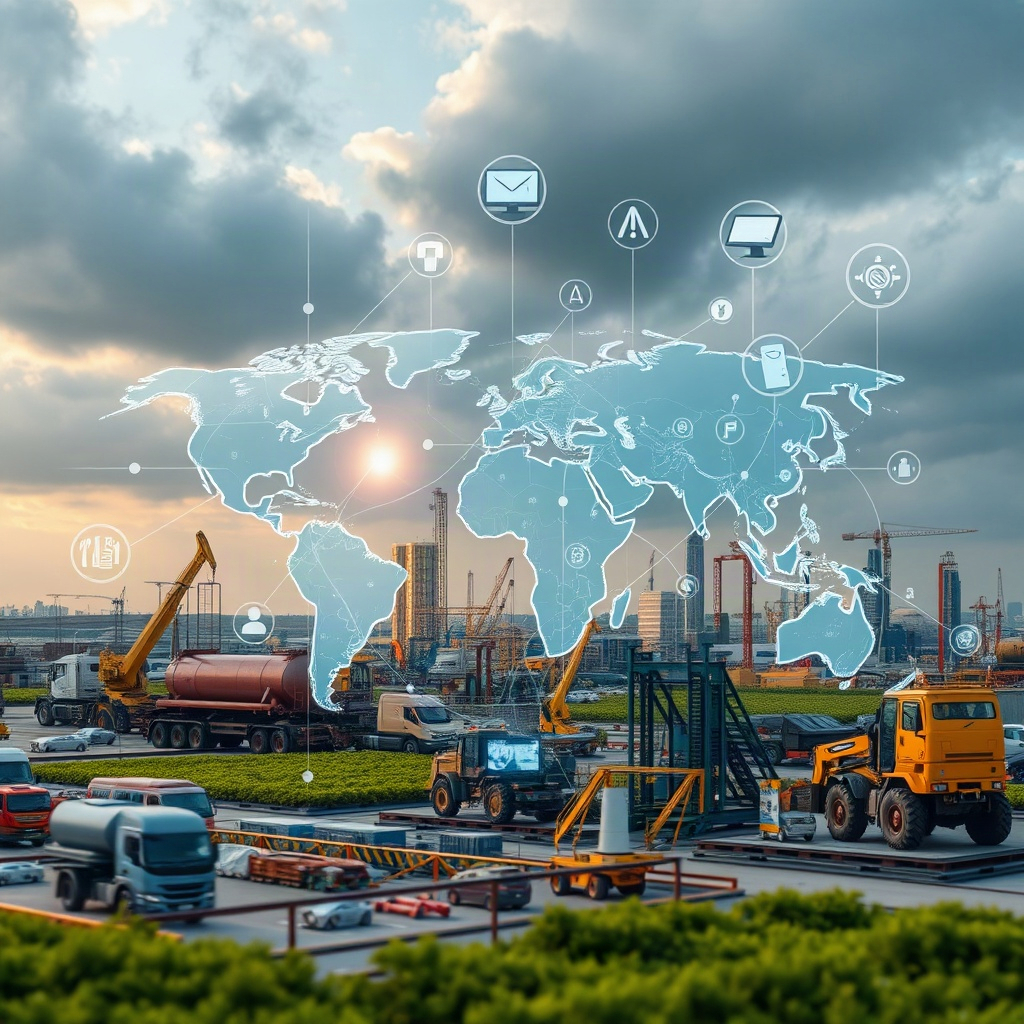
Technology has become an integral part of our daily lives, transforming the way we communicate, work, and interact with the world around us. In recent years, the rapid advancement of technology has not only changed our personal lives but has also had a significant impact on the global economy. From the rise of e-commerce to the emergence of artificial intelligence, technology is reshaping the way businesses operate and how economies function on a global scale.

The Evolution of Technology in the Global Economy

Over the years, technology has evolved at an unprecedented pace, revolutionizing industries and creating new opportunities for growth and innovation. The advent of the internet, mobile devices, and social media has connected people from all corners of the globe, enabling businesses to reach a wider audience and operate on a global scale. As technology continues to advance, it is crucial for businesses to adapt and embrace new technologies to stay competitive in today’s rapidly changing economy.

The Impact of Artificial Intelligence on Business

Artificial intelligence (AI) is one of the most transformative technologies of our time, with the potential to revolutionize industries ranging from healthcare to finance. AI-powered tools and algorithms can analyze vast amounts of data, automate repetitive tasks, and make predictions based on patterns and trends. As businesses integrate AI into their operations, they can improve efficiency, reduce costs, and enhance decision-making processes, ultimately driving growth and innovation in the global economy.

The Rise of E-Commerce and Digital Payments

The rise of e-commerce platforms and digital payment systems has transformed the way consumers shop and pay for goods and services. With the convenience of online shopping and the widespread acceptance of digital payments, businesses can now reach customers across the globe and offer personalized shopping experiences. As more consumers turn to online shopping, businesses must adapt to this digital landscape and invest in e-commerce solutions to stay competitive in the global economy.

Cybersecurity Challenges in the Digital Age

With the increasing reliance on technology, cybersecurity has become a critical issue for businesses and governments alike. Cyber attacks and data breaches can have devastating consequences, leading to financial losses, reputational damage, and legal implications. As cyber threats evolve and become more sophisticated, businesses must prioritize cybersecurity measures to protect their data, systems, and customers from potential threats, ensuring the stability and security of the global economy.

The Future of Work in a Tech-Driven Economy

As technology continues to reshape the global economy, the future of work is also evolving rapidly. Automation, robotics, and AI are changing the way we work, creating new job opportunities while also displacing traditional roles. To thrive in a tech-driven economy, workers must adapt to new technologies, acquire digital skills, and embrace lifelong learning to stay competitive in the workforce. By investing in education and training programs, businesses can prepare their employees for the jobs of the future and drive innovation in the global economy.

Sustainable Technology Solutions for a Greener Future

In addition to driving economic growth, technology also plays a crucial role in addressing global challenges such as climate change and environmental sustainability. Sustainable technologies, such as renewable energy sources, smart grids, and green transportation, are transforming industries and helping businesses reduce their carbon footprint. By embracing sustainable technology solutions, businesses can not only contribute to a greener future but also create new opportunities for growth and innovation in the global economy.

Related Articles

Leave a Reply

Your email address will not be published. Required fields are marked *

Back to top button