Purchasing Managers’ Index (PMI) is a crucial economic indicator used by businesses and policymakers to gauge the health of the manufacturing and services sectors. It provides valuable insights into the current economic conditions and future trends. In this analysis, we will delve deeper into what PMI is, how it is calculated, and why it is important for decision-making.
Understanding PMI Components
The PMI is based on a survey of purchasing managers in various industries. It consists of several components, including new orders, production, employment, supplier deliveries, and inventories. Each component offers a unique perspective on the overall health of the economy. For example, a high new orders index indicates strong demand, while a low employment index may suggest a slowdown in hiring.
Interpreting PMI Data
PMI data is presented as a diffusion index, with a reading above 50 indicating expansion and below 50 indicating contraction. A PMI reading of 50 suggests that the economy is neither growing nor contracting. Analysts pay close attention to trends in PMI data over time to identify changes in economic activity. A sustained increase in PMI may signal economic growth, while a decline could indicate a potential recession.
Impact of PMI on Financial Markets
PMI data has a significant impact on financial markets, as it provides investors with valuable information about the state of the economy. A strong PMI reading can lead to an increase in stock prices, as investors anticipate higher corporate earnings. Conversely, a weak PMI reading may trigger a sell-off in the stock market, as it raises concerns about a slowdown in economic growth.
Importance of Timely PMI Releases
Timely release of PMI data is crucial for decision-making in both the public and private sectors. Businesses use PMI data to adjust their production schedules, inventory levels, and hiring plans based on the prevailing economic conditions. Policymakers rely on PMI data to formulate monetary and fiscal policies to support economic growth and stability.
Global Comparison of PMI
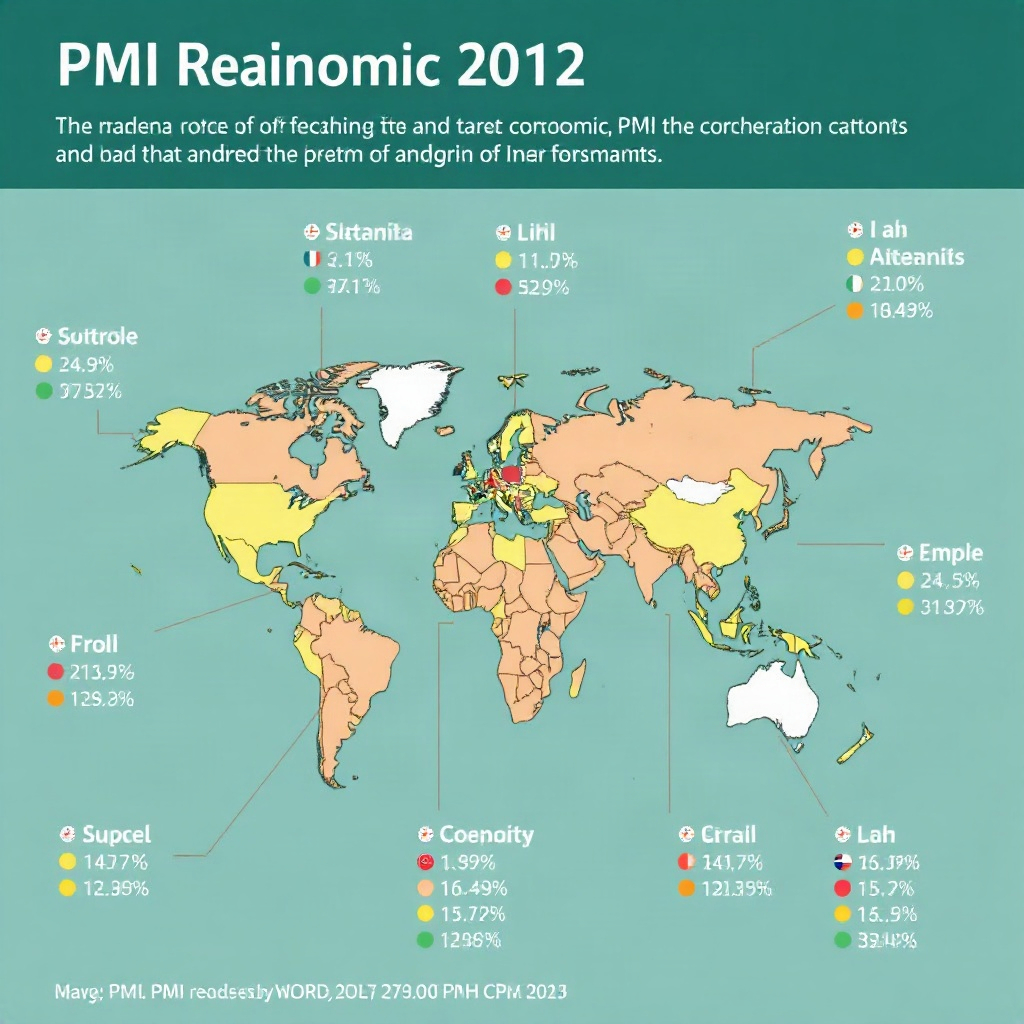
PMI data is available for countries around the world, allowing for comparisons of economic performance on a global scale. Variations in PMI readings between countries can provide insights into the relative strength of different economies. Investors use this information to make informed decisions about international investments and assess the potential risks and opportunities in various markets.
Future Trends in PMI Analysis
As technology and globalization continue to reshape the business landscape, the methodology for calculating PMI may evolve to capture new trends and dynamics in the economy. Innovations in data collection and analysis techniques could lead to more accurate and timely PMI readings, enhancing its value as a leading economic indicator.