As the global economy continues to navigate through uncertain times, it becomes crucial for individuals and businesses alike to be able to identify the early signs of a potential recession. Understanding these indicators can help in making informed decisions and taking necessary steps to mitigate the impact of an economic downturn. In this analysis, we will delve into the key signs that point towards a recession and how to recognize them before it’s too late.
Economic Indicator Analysis
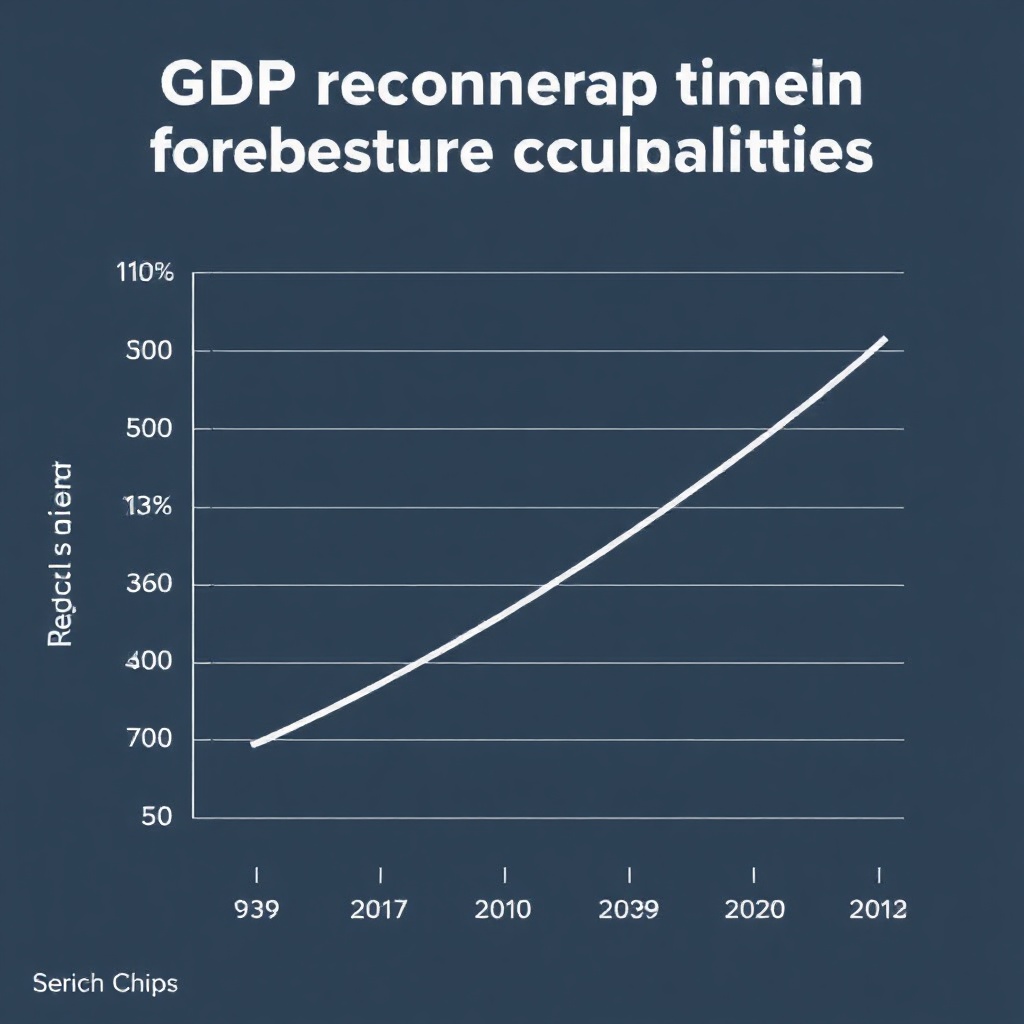
One of the primary indicators of an impending recession is the performance of key economic indicators. These include factors such as GDP growth, unemployment rates, and consumer spending. A sudden decline in GDP growth or a sharp increase in unemployment rates can be a strong signal of an economic downturn. By closely monitoring these indicators and analyzing their trends, individuals and businesses can gain valuable insights into the state of the economy.
Stock Market Volatility
Another crucial sign of a recession is heightened volatility in the stock market. Fluctuations in stock prices, increased trading volumes, and a general sense of uncertainty among investors can all point towards an economic downturn. By keeping a close eye on the stock market and understanding the reasons behind such volatility, one can better prepare for potential challenges and opportunities that may arise during a recession.
Consumer Confidence
Consumer confidence is a key driver of economic growth, and a decline in consumer sentiment can signal trouble ahead. When consumers start to cut back on spending, it often indicates a lack of faith in the economy’s future prospects. By monitoring consumer confidence surveys and gauging the overall mood of the population, individuals and businesses can anticipate changes in consumer behavior and adjust their strategies accordingly.
Manufacturing Activity
The health of the manufacturing sector can also provide valuable insights into the state of the economy. A slowdown in manufacturing activity, indicated by factors such as a decrease in new orders or a decline in production levels, can be a red flag for an impending recession. By keeping track of industry reports and monitoring key manufacturing indicators, stakeholders can stay ahead of the curve and prepare for any potential downturn.
Interest Rates and Inflation
Changes in interest rates and inflation rates can have a significant impact on the economy. Central banks often adjust interest rates in response to economic conditions, and fluctuations in inflation rates can affect consumer spending and business investments. By paying attention to changes in interest rates and inflation, individuals and businesses can better understand the broader economic landscape and make informed decisions about their financial strategies.
Global Economic Trends
In an interconnected world, global economic trends can also influence the likelihood of a recession. Factors such as trade tensions, geopolitical events, and international market developments can all have ripple effects on the global economy. By staying informed about international economic trends and understanding their potential impact, individuals and businesses can adapt to changing circumstances and navigate through uncertain times more effectively.
In conclusion, being able to identify the early signs of a recession is essential for making informed decisions and preparing for potential challenges. By monitoring key economic indicators, stock market volatility, consumer confidence, manufacturing activity, interest rates, inflation, and global economic trends, individuals and businesses can stay ahead of the curve and proactively manage risks. By staying vigilant and taking proactive steps, it is possible to weather the storm of a recession and emerge stronger on the other side.