In today’s fast-paced and interconnected world, financial markets are influenced by a myriad of factors, with fear and greed standing out as two of the most powerful drivers. Understanding how these emotions impact the markets is crucial for investors and traders looking to navigate the ups and downs of the financial world.
The Psychology Behind Fear and Greed
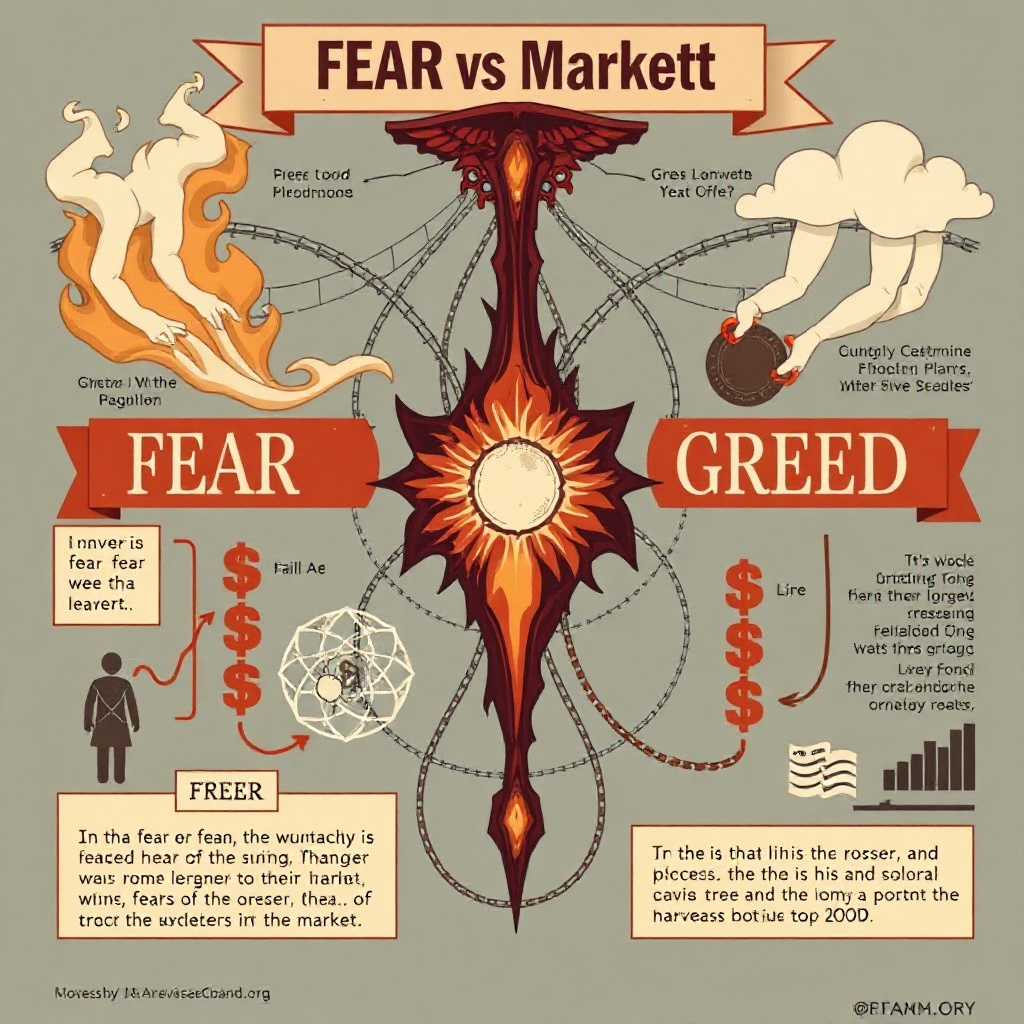
Fear and greed are deeply rooted in human psychology and have been driving forces behind market movements for centuries. While fear is characterized by a sense of panic and the urge to sell, greed is fueled by a desire for more profits and the fear of missing out on lucrative opportunities. These emotions can lead to irrational decision-making and market volatility.
The Impact of Fear on Financial Markets
When fear grips the markets, investors tend to panic and sell off their assets, driving prices down. This can create a domino effect, as more investors follow suit, leading to a downward spiral in the market. Fear can also lead to a lack of confidence in the economy, causing businesses to cut back on investments and consumers to reduce their spending.
The Role of Greed in Market Bubbles
Greed can manifest in the form of speculative bubbles, where asset prices are driven up to unsustainable levels by excessive investor optimism. These bubbles eventually burst, leading to sharp price declines and financial losses for those caught up in the frenzy. Greed can also lead to risky behavior, such as excessive leverage and overtrading, which can amplify market volatility.
Strategies for Managing Fear and Greed
Managing fear and greed in the financial markets requires discipline and a sound investment strategy. One approach is to diversify your portfolio to reduce risk and avoid putting all your eggs in one basket. Setting clear investment goals and sticking to a long-term plan can help avoid impulsive decisions driven by fear or greed.
The Role of Regulation in Mitigating Market Emotions
Regulators play a crucial role in maintaining market stability and preventing excessive fear and greed from destabilizing the financial system. Through measures such as monitoring market activity, enforcing transparency, and implementing risk management protocols, regulators can help mitigate the impact of these emotions on market behavior.
The Future of Fear and Greed in Financial Markets
As technology continues to reshape the financial landscape, the influence of fear and greed on markets is likely to evolve. Algorithmic trading, social media, and global economic trends will all play a role in shaping market sentiment and behavior. Understanding how these factors interact with fear and greed will be essential for navigating the complexities of modern financial markets.
In conclusion, fear and greed are powerful forces that can drive dramatic shifts in financial markets. By understanding the psychology behind these emotions and implementing sound investment strategies, investors can better navigate the challenges of market volatility. By recognizing the impact of fear and greed and taking steps to manage them effectively, investors can position themselves for success in an ever-changing financial landscape.