Consumer spending plays a vital role in shaping the overall economic landscape of a country. As consumers make purchasing decisions, they directly impact various sectors of the economy, from retail to manufacturing. In this analysis, we will delve into how consumer spending affects the economy and the broader implications it has on economic growth.
The Significance of Consumer Spending
Consumer spending is often regarded as the engine that drives economic growth. When consumers are confident in the economy and their financial situation, they are more likely to spend money on goods and services. This, in turn, boosts demand, encourages businesses to expand production, and ultimately stimulates economic activity.
Consumer Spending Patterns
Understanding consumer spending patterns is crucial for businesses and policymakers alike. By analyzing how consumers allocate their income towards different categories such as housing, transportation, and leisure activities, valuable insights can be gained into consumer behavior. These patterns can also indicate broader economic trends and potential areas for growth.
Consumer Confidence and Spending
Consumer confidence, which reflects the sentiment of consumers regarding the economy, is closely linked to consumer spending. High levels of consumer confidence typically lead to increased spending, while low confidence levels can result in decreased consumption. Policymakers often monitor consumer confidence indicators as a barometer of economic health.
Impact on Small Businesses
Consumer spending has a direct impact on small businesses, which are often more sensitive to fluctuations in consumer behavior. Small businesses rely heavily on consumer demand for their products and services, making them especially vulnerable to changes in consumer spending habits. A robust consumer spending environment can greatly benefit small businesses and contribute to their growth.
International Trade and Consumer Spending
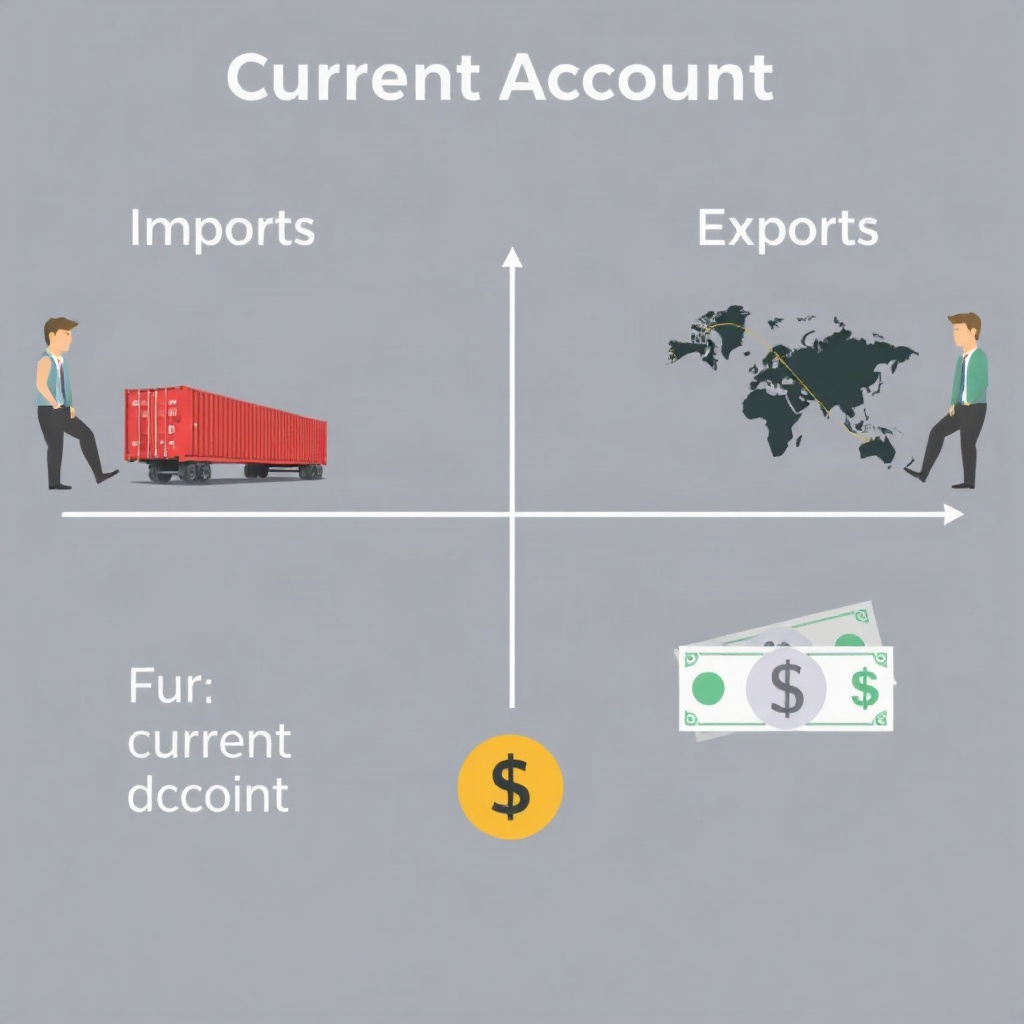
Consumer spending also has implications for international trade. As consumers purchase goods and services, they contribute to the overall demand for both domestic and imported products. Changes in consumer spending habits can influence trade balances and impact the competitiveness of domestic industries in the global market.
Government Policies and Consumer Spending
Government policies, such as tax cuts or stimulus packages, can directly influence consumer spending. By putting more money into the hands of consumers, policymakers aim to stimulate spending and boost economic activity. However, the effectiveness of such policies in driving consumer spending depends on various factors, including consumer confidence and the overall economic environment.
In conclusion, consumer spending plays a crucial role in shaping the economic landscape of a country. By understanding consumer behavior, businesses and policymakers can make informed decisions that drive economic growth and promote prosperity. As consumer spending patterns continue to evolve, it is essential to closely monitor these trends and adapt strategies accordingly to support a healthy and vibrant economy.