Economic trends play a crucial role in shaping the financial landscape of countries, industries, and businesses. Analyzing these trends effectively is essential for decision-makers to make informed choices and plan for the future. In this article, we will explore how to analyze economic trends effectively and the key steps to take in this process.
Understanding Economic Indicators
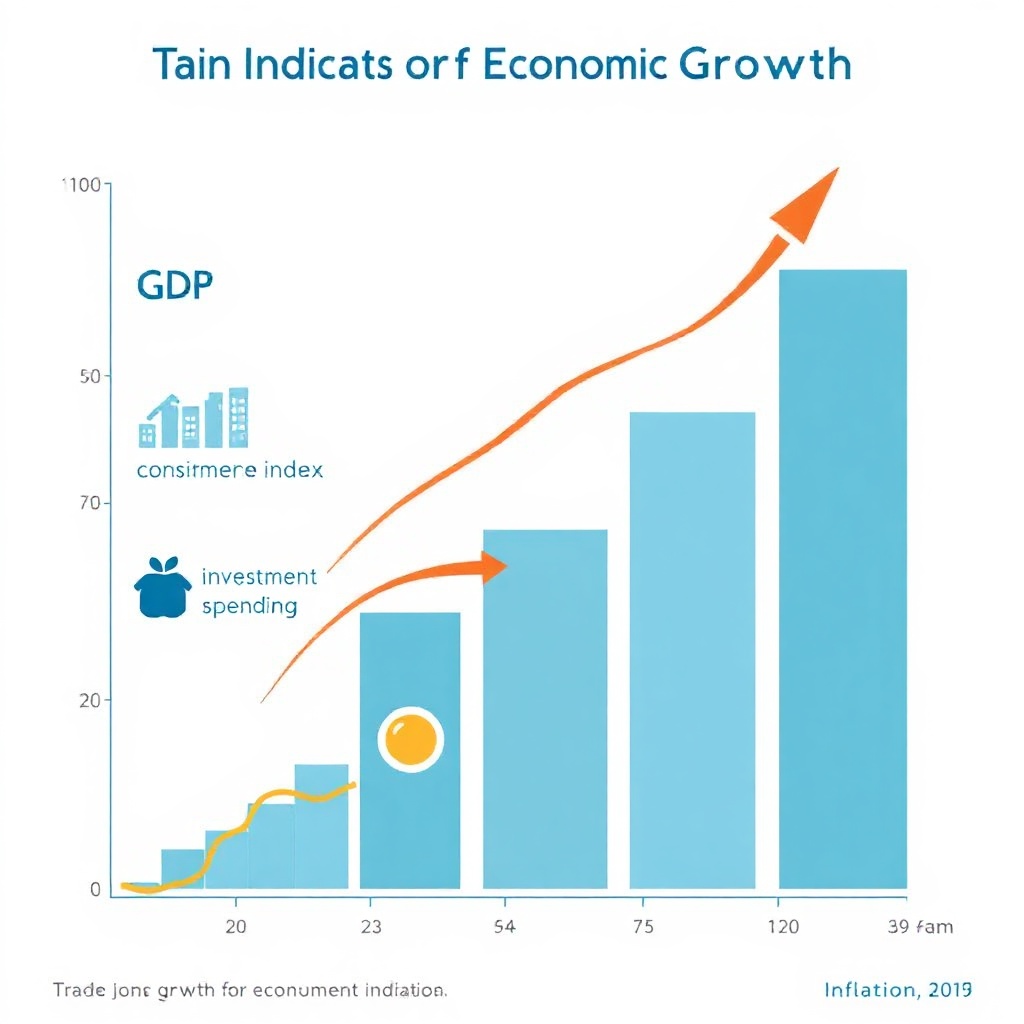
Economic indicators are essential tools for analyzing economic trends. These indicators provide valuable information about the health of the economy, such as GDP growth, inflation rates, and employment numbers. By understanding and monitoring these indicators, analysts can identify patterns and trends that can help predict future economic developments.
Utilizing Data Analysis Tools
Data analysis tools, such as statistical software and econometric models, can help analysts process and interpret large sets of economic data. These tools allow for in-depth analysis of economic trends, identification of correlations, and forecasting future outcomes. By utilizing these tools effectively, analysts can make more accurate predictions and strategic decisions based on data-driven insights.
Conducting Industry and Market Research
In addition to economic indicators, industry-specific and market research are crucial for analyzing economic trends. By examining factors such as consumer behavior, industry competition, and market demand, analysts can gain a deeper understanding of how economic trends impact specific sectors. This research provides valuable insights for businesses looking to adapt to changing economic conditions and market dynamics.
Monitoring Global Economic Developments
In today’s interconnected world, global economic developments have a significant impact on local economies. Analysts must pay close attention to international trade, geopolitical events, and global economic trends to understand how these factors influence their own economic outlook. By monitoring global economic developments, analysts can anticipate potential risks and opportunities for their own economies.
Evaluating Policy Changes and Government Regulations
Government policies and regulations have a direct impact on economic trends. Analysts must evaluate how changes in monetary policy, fiscal policy, and regulatory frameworks affect the economy. By understanding these policy changes and their implications, analysts can adjust their economic forecasts and strategies accordingly. This comprehensive analysis helps businesses and policymakers prepare for potential challenges and opportunities in the economic landscape.
Collaborating with Economic Experts
Collaborating with economic experts and industry professionals is essential for gaining diverse perspectives on economic trends. By engaging in discussions, sharing insights, and exchanging knowledge with experts in the field, analysts can enhance their understanding of economic trends and make more informed decisions. This collaborative approach fosters innovation, creativity, and strategic thinking in economic analysis.
In conclusion, analyzing economic trends effectively requires a comprehensive approach that combines data analysis, research, monitoring, evaluation, and collaboration. By following these key steps and utilizing the right tools and resources, analysts can gain valuable insights, predict future economic developments, and make informed decisions that drive success in today’s dynamic economic landscape.