Economic growth is a crucial aspect of any country’s development, reflecting the increase in its overall productive capacity over time. In order to assess and measure this growth accurately, economists rely on a variety of indicators that provide valuable insights into the health of an economy. Understanding these indicators is essential for policymakers, businesses, and investors to make informed decisions. In this analysis, we will delve into the main indicators of economic growth and their significance.
Gross Domestic Product GDP
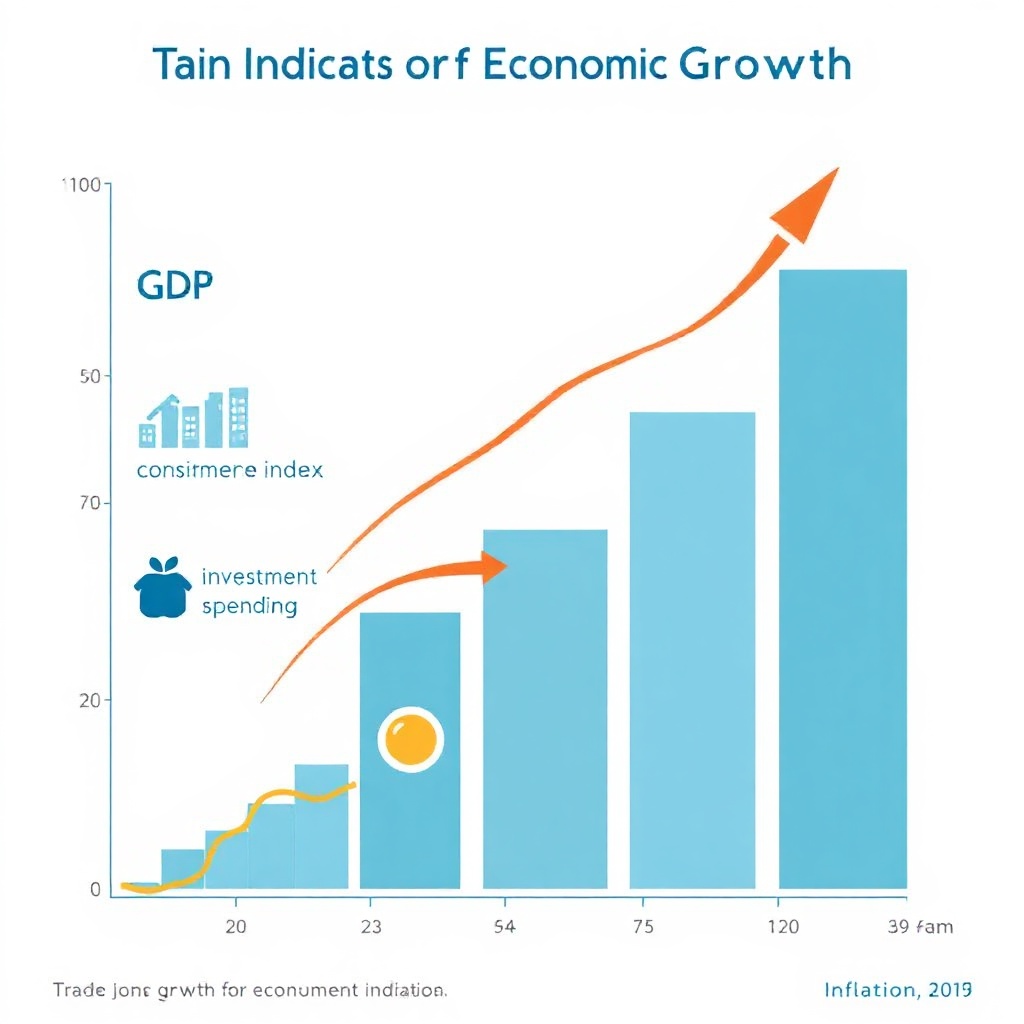
GDP is perhaps the most widely recognized indicator of economic growth, representing the total value of all goods and services produced within a country’s borders in a specific period. It serves as a primary measure of a nation’s economic performance and is used to compare the economic output of different countries. A rising GDP indicates a growing economy, while a declining GDP suggests economic contraction.
Unemployment Rate
The unemployment rate is another critical indicator of economic growth, reflecting the percentage of people who are actively seeking employment but are unable to find jobs. High unemployment rates can signal economic distress, as they indicate underutilization of human resources and reduced consumer spending. A low unemployment rate, on the other hand, is indicative of a healthy economy with strong job creation.
Consumer Confidence Index
The Consumer Confidence Index measures the sentiment of consumers regarding the state of the economy and their personal financial situation. A high consumer confidence index suggests that people are optimistic about the future and are more likely to spend, fueling economic growth. Conversely, a low index may indicate pessimism and reduced spending, which can hinder economic expansion.
Investment Spending
Investment spending, particularly in capital goods and infrastructure, plays a significant role in driving economic growth. When businesses invest in expanding their operations, upgrading technology, and improving productivity, it leads to increased output and job creation. Monitoring trends in investment spending provides valuable insights into the future trajectory of an economy.
Trade Balance
The trade balance reflects the difference between a country’s exports and imports of goods and services. A positive trade balance, or trade surplus, occurs when exports exceed imports, indicating a competitive advantage in global markets. Conversely, a negative trade balance, or trade deficit, implies that a country is importing more than it is exporting, which can have implications for its economic growth and stability.
Inflation Rate
Inflation, the rate at which the general price level of goods and services rises, is a key indicator of economic growth and stability. While moderate inflation is a sign of a healthy economy, excessive inflation can erode purchasing power and disrupt economic activities. Central banks closely monitor inflation rates and adjust monetary policies to maintain price stability and sustainable growth.
In conclusion, tracking and analyzing these main indicators of economic growth is essential for assessing the overall health and performance of an economy. By understanding the implications of these indicators and their interplay, stakeholders can make informed decisions to promote sustainable growth and prosperity.