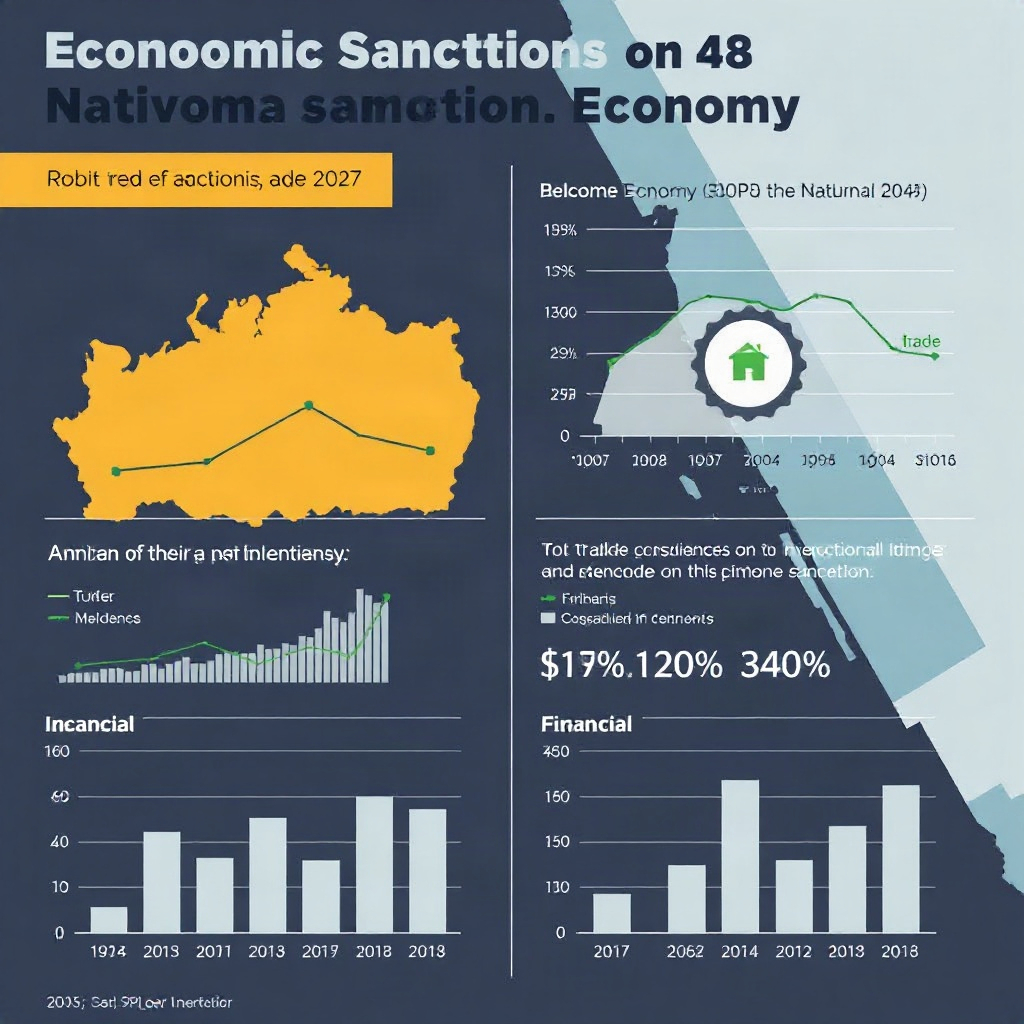
Economic sanctions are a powerful tool used by countries to influence the behavior of other nations. These measures, which can range from trade restrictions to financial penalties, have a significant impact on national economies. In this analysis, we will explore how economic sanctions affect the economic stability and growth of countries.
The Basics of Economic Sanctions
Economic sanctions are imposed by one country or group of countries against another in order to achieve specific political or economic goals. These measures can include trade embargoes, asset freezes, and restrictions on financial transactions. The goal of economic sanctions is to pressure the targeted country to change its behavior, whether it be to stop supporting terrorism, halt the development of nuclear weapons, or respect human rights.
The Impact on Trade and Investment
One of the most immediate effects of economic sanctions is a decline in trade and investment. When a country is subject to sanctions, its ability to engage in international trade is restricted, leading to a decrease in exports and imports. Foreign investors are also likely to pull out of the sanctioned country, further weakening its economy. This can result in job losses, reduced government revenue, and a decline in living standards for the population.
Financial Consequences
In addition to the impact on trade and investment, economic sanctions can also have severe financial consequences for the targeted country. Restrictions on access to international financial markets can make it difficult for the country to borrow money or refinance existing debt. This can lead to a liquidity crisis, a sharp decline in the value of the national currency, and ultimately, a collapse of the financial system.
Social and Humanitarian Effects
Beyond the economic and financial impact, economic sanctions can also have serious social and humanitarian consequences. The population of the targeted country may suffer from shortages of essential goods, including food and medicine, as a result of the sanctions. This can lead to a humanitarian crisis, with vulnerable groups such as children, the elderly, and the sick being particularly affected.
Long-Term Effects on Economic Development
The long-term effects of economic sanctions on national economies can be profound. Countries that are subject to sanctions may struggle to recover from the economic damage caused by the measures, leading to a prolonged period of economic stagnation or decline. In some cases, the impact of sanctions can be felt for decades, hindering the country’s ability to achieve sustainable economic development.
The Role of International Cooperation
In order to mitigate the negative effects of economic sanctions, international cooperation is essential. Countries that impose sanctions should work together to ensure that the measures are targeted and proportionate, minimizing collateral damage to the population of the targeted country. At the same time, efforts should be made to provide humanitarian assistance to those affected by the sanctions, in order to alleviate suffering and prevent a worsening of the crisis.