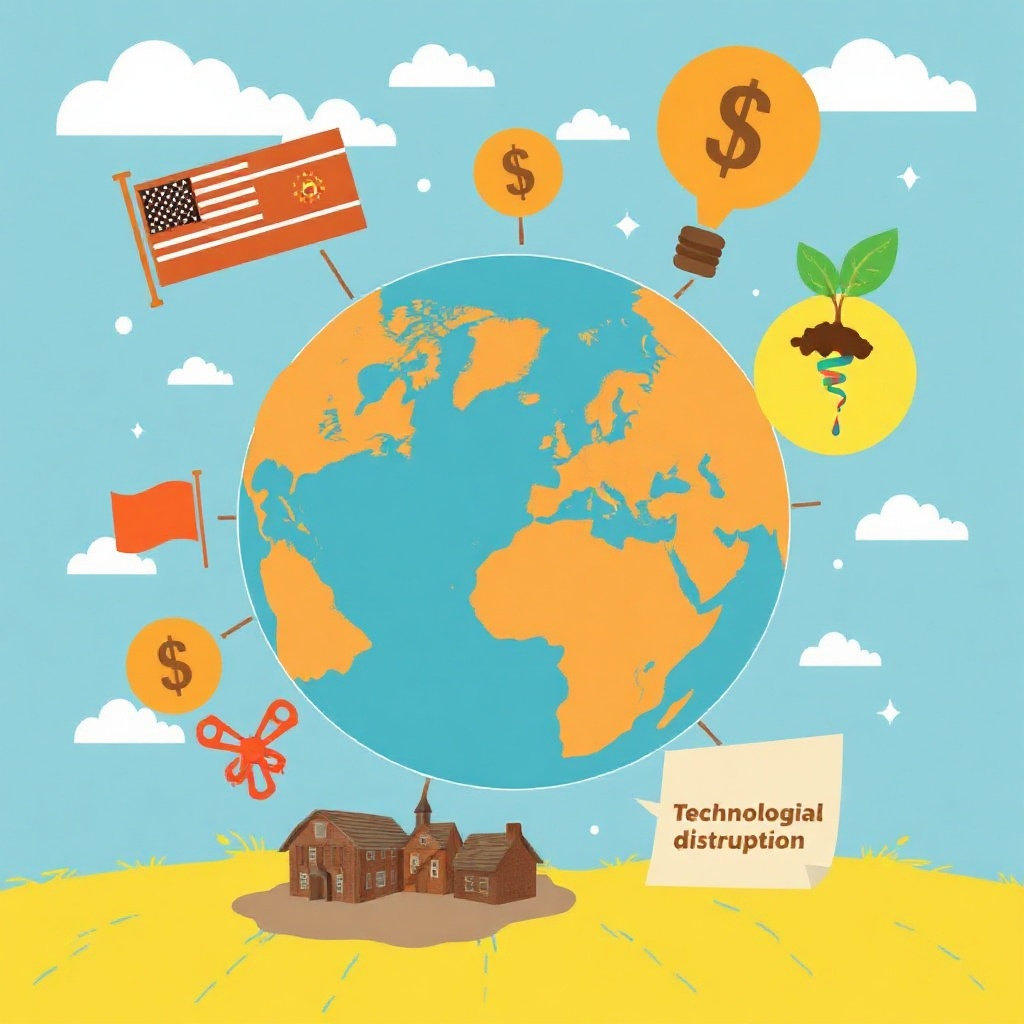
Commodity markets play a crucial role in the global economy, with various commodities such as oil, gold, and agricultural products being traded on a daily basis. Understanding the most important developments in these markets is essential for investors, traders, and policymakers alike. In this article, we will explore the key trends and changes that have shaped commodity markets in recent years.
The Rise of ESG Investing in Commodity Markets
Environmental, Social, and Governance (ESG) criteria have become increasingly important for investors looking to make sustainable and socially responsible investments. In commodity markets, the rise of ESG investing has led to a greater focus on ethical sourcing, environmental impact, and social responsibility. Companies that fail to meet ESG standards may face pressure from investors and regulators, impacting their ability to operate in the market.
Technological Innovations in Commodity Trading
Advancements in technology have revolutionized the way commodities are traded, with the introduction of electronic trading platforms, algorithmic trading, and blockchain technology. These innovations have increased efficiency, transparency, and accessibility in commodity markets, allowing traders to execute trades faster and more efficiently. As technology continues to evolve, we can expect further disruptions in the commodity trading landscape.
Impact of Geopolitical Events on Commodity Prices
Geopolitical events such as trade disputes, conflicts, and sanctions can have a significant impact on commodity prices. Political tensions between major trading partners, changes in government policies, and natural disasters can disrupt the supply chain and lead to price fluctuations in commodity markets. Understanding the geopolitical landscape is essential for predicting market trends and making informed trading decisions.
Sustainable Agriculture and the Future of Food Commodities
The shift towards sustainable agriculture practices has gained momentum in recent years, with a growing focus on reducing carbon emissions, conserving natural resources, and promoting food security. In commodity markets, sustainable agriculture practices are becoming increasingly important, with consumers demanding ethically sourced and environmentally friendly products. The future of food commodities lies in sustainable production methods that prioritize both economic prosperity and environmental sustainability.
Renewable Energy and the Transition Away from Fossil Fuels
The global transition towards renewable energy sources has had a profound impact on commodity markets, particularly in the energy sector. As countries move away from fossil fuels towards cleaner alternatives such as solar, wind, and hydroelectric power, the demand for traditional energy commodities like oil and coal has declined. This shift towards renewable energy has created new opportunities for investors and traders in emerging markets such as solar and battery technology.
The Role of Speculation in Commodity Markets
Speculation plays a significant role in commodity markets, with traders and investors leveraging price fluctuations to profit from market trends. While speculation can provide liquidity and price discovery in commodity markets, it can also lead to increased volatility and price manipulation. Regulators and policymakers play a crucial role in monitoring and regulating speculative activities to ensure the stability and integrity of commodity markets.