The global economy is constantly facing various challenges and risks that can impact countries, industries, and individuals. In this article, we will explore some of the biggest economic risks facing the world today and how they can potentially shape the future of the global economy.
Geopolitical Tensions and Trade Wars
Geopolitical tensions between countries and regions can have a significant impact on the global economy. Trade wars, such as the ongoing tensions between the United States and China, can lead to disruptions in supply chains, increased tariffs, and decreased trade volumes. These tensions can create uncertainty in the global markets, affecting investor confidence and economic growth.
Financial Instability and Market Volatility
Financial instability, market volatility, and fluctuations in asset prices can pose significant risks to the global economy. Events such as stock market crashes, currency crises, and debt defaults can lead to widespread economic turmoil. Central banks and policymakers play a crucial role in maintaining financial stability and preventing systemic risks that could trigger a global financial crisis.
Climate Change and Natural Disasters
Climate change and natural disasters pose both economic and humanitarian risks to countries around the world. Extreme weather events, such as hurricanes, droughts, and wildfires, can cause extensive damage to infrastructure, agriculture, and communities. The economic costs of addressing the impacts of climate change and rebuilding after natural disasters can be substantial, affecting both developed and developing economies.
Technological Disruption and Automation
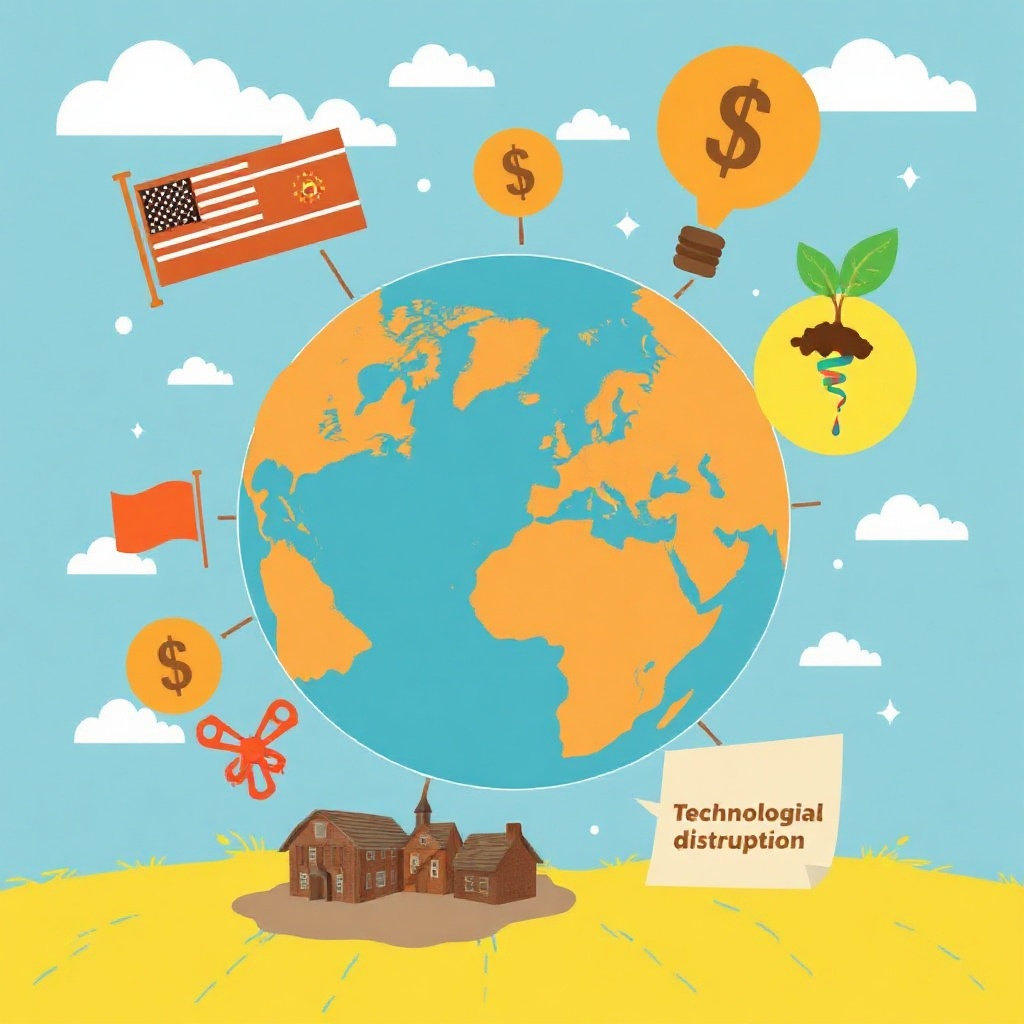
Technological disruption and the rise of automation are transforming industries and reshaping the global economy. While innovation and technological advancements can lead to increased productivity and economic growth, they also pose challenges such as job displacement and income inequality. The adoption of artificial intelligence, robotics, and other advanced technologies can fundamentally change the way we work and do business.
Income Inequality and Social Unrest
Income inequality and social unrest are pressing issues that can have far-reaching consequences for the global economy. The growing wealth gap between the rich and the poor can lead to social tensions, political instability, and economic inefficiency. Addressing income inequality through policies that promote inclusive growth and social welfare can help mitigate the risks associated with social unrest and economic inequality.
Health Crises and Pandemics
Health crises, such as the COVID-19 pandemic, can have profound impacts on public health, economies, and societies. The spread of infectious diseases can disrupt global supply chains, travel, and trade, leading to economic contraction and job losses. Investing in public health infrastructure, pandemic preparedness, and international cooperation is essential to mitigate the risks of future health crises.
In conclusion, the global economy faces a myriad of risks that require proactive measures and strategic planning to address. By understanding and mitigating these risks, policymakers, businesses, and individuals can contribute to a more stable and resilient global economy.