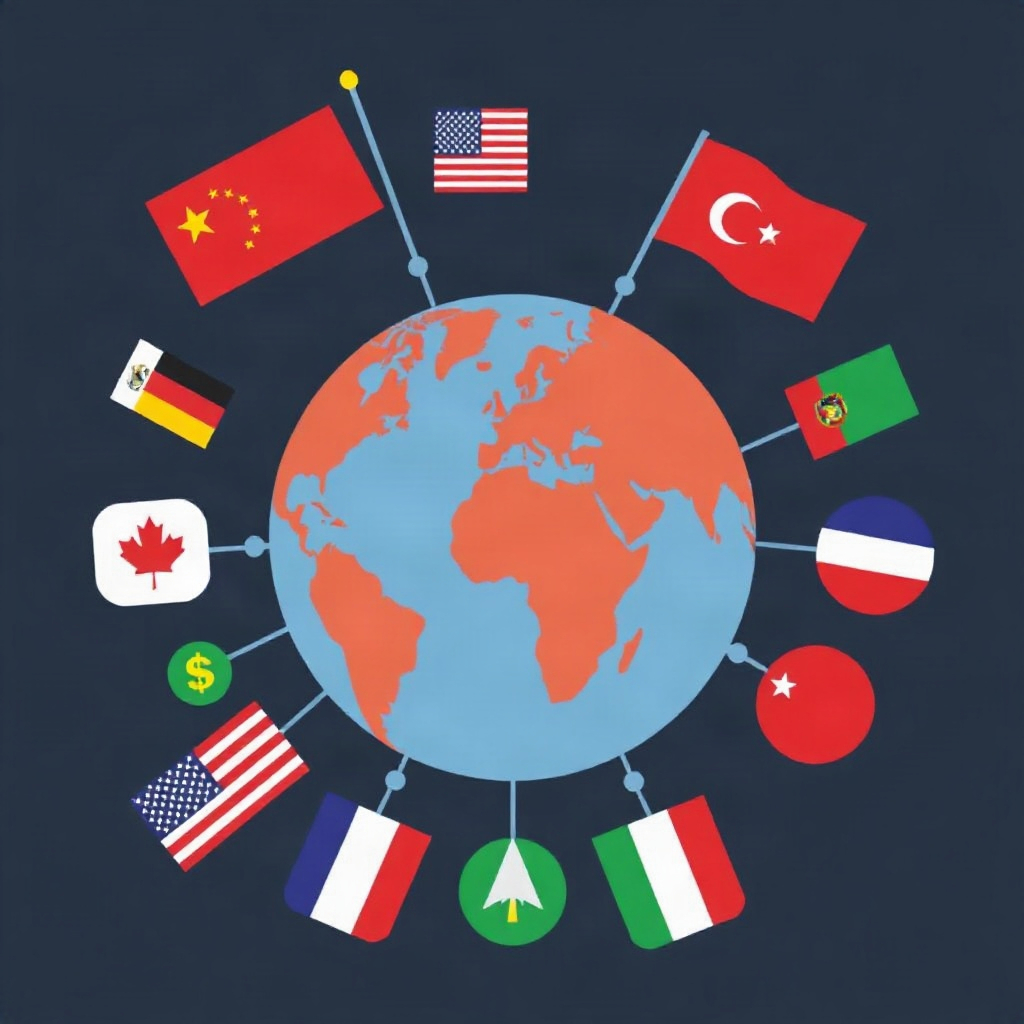
The global economy is an intricate web of interconnected markets, currencies, and trade agreements. In this complex system, one currency stands out as the most influential and widely used: the US Dollar. Its importance cannot be overstated, as it plays a pivotal role in shaping the economic landscape of the world.
The History of the Dollar
The US Dollar has a long and storied history that dates back to the late 18th century. Initially established as a unit of currency by the newly formed United States, the Dollar quickly gained prominence due to its stability and widespread acceptance. Over the years, it has evolved into the dominant global reserve currency, used in international trade and finance.
Dollars Role in International Trade
As the world’s primary reserve currency, the Dollar serves as a benchmark for commodity prices, exchange rates, and global economic stability. Most international transactions are denominated in Dollars, making it the preferred currency for businesses and governments alike. Its stability and liquidity make it a trusted medium of exchange in the global marketplace.
Impact of Dollar Exchange Rates
Fluctuations in the value of the Dollar can have far-reaching effects on the global economy. A strong Dollar can boost the purchasing power of US consumers but may harm American exporters by making their goods more expensive overseas. Conversely, a weak Dollar can stimulate exports but may lead to higher inflation and trade imbalances.
Dollars Influence on Emerging Markets
Emerging economies often rely on the Dollar for trade and investment, exposing them to the risk of currency fluctuations and external shocks. A sudden appreciation or depreciation of the Dollar can destabilize these economies, leading to financial crises and economic downturns. Managing the impact of the Dollar is crucial for these countries to ensure sustainable growth.
Challenges to Dollar Dominance
Despite its dominance, the Dollar faces increasing competition from alternative currencies like the Euro, Chinese Yuan, and cryptocurrencies. Geopolitical tensions, trade disputes, and economic uncertainties pose challenges to the Dollar’s status as the global reserve currency. Adapting to these changes will be essential for maintaining the Dollar’s relevance in the evolving global economy.
Future Outlook for the Dollar
As the global economy continues to evolve, the role of the Dollar will remain critical in shaping economic policies, trade agreements, and financial markets. Adapting to changing dynamics and emerging challenges will be key to ensuring the Dollar’s continued relevance and stability in the global economy.