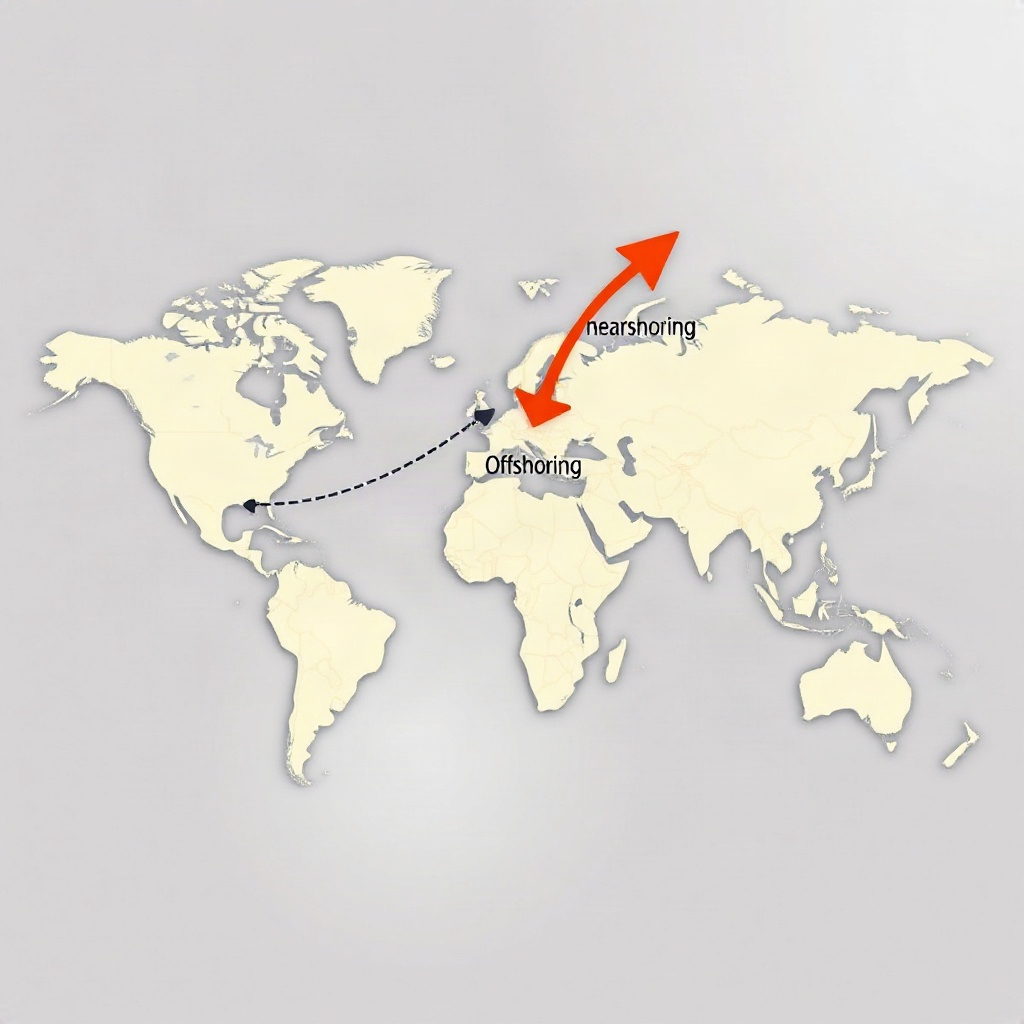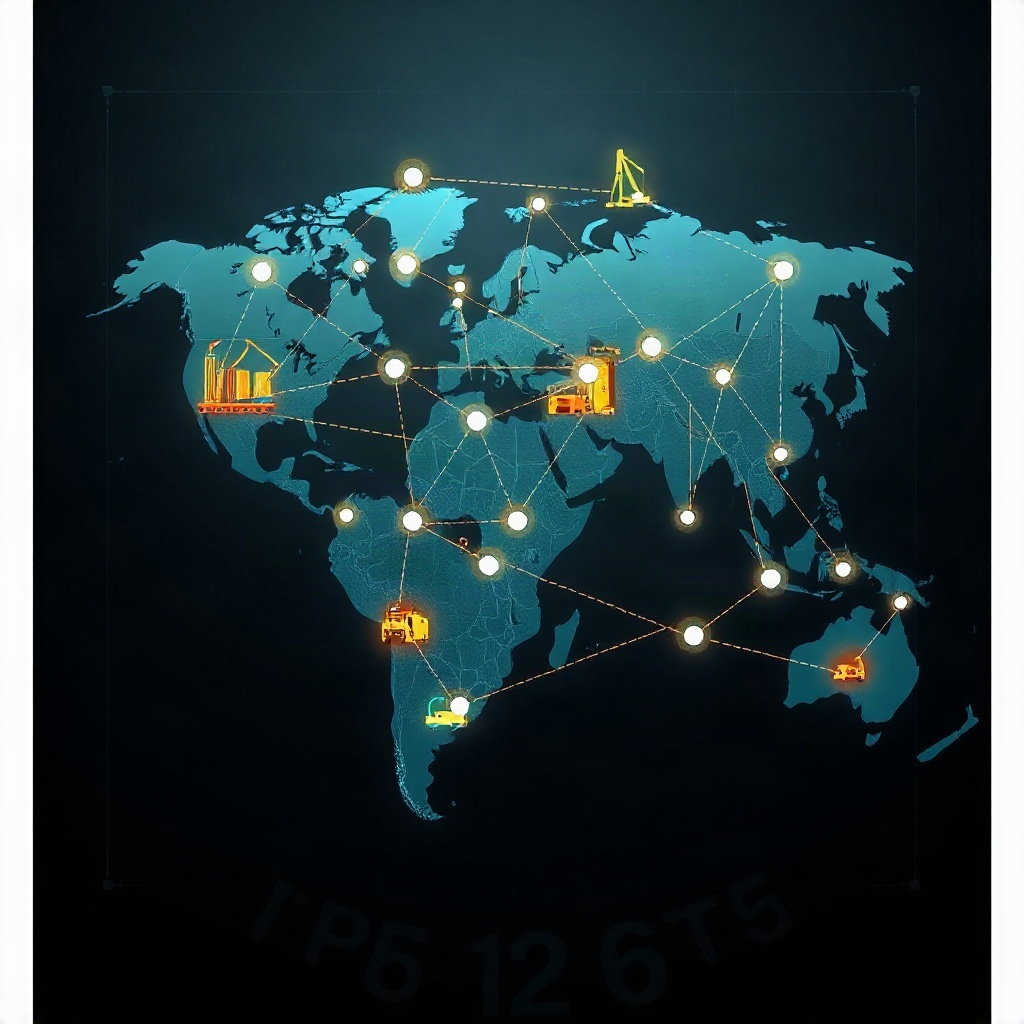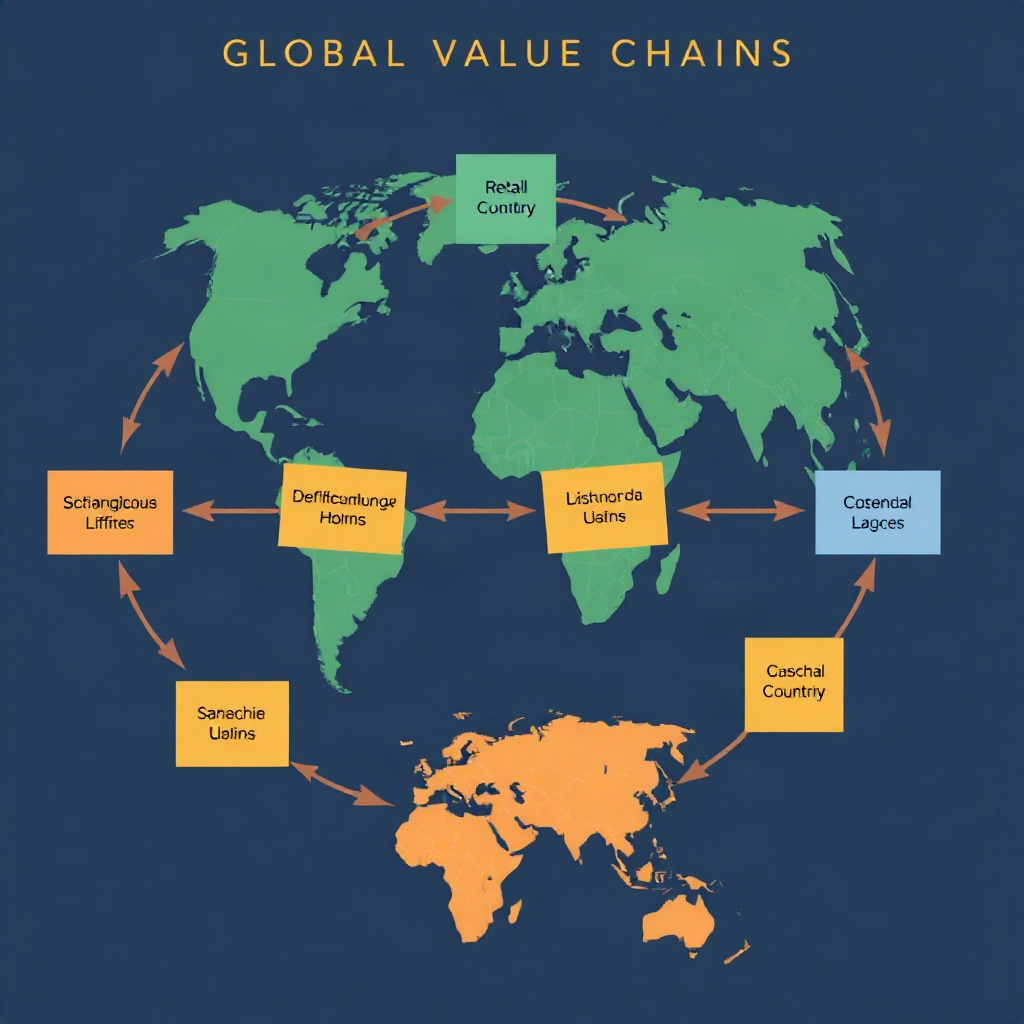
In today’s interconnected world, global value chains play a crucial role in the international trade system. These chains involve the production of goods or services that pass through multiple countries before reaching the final consumer. While larger economies have traditionally dominated these chains, smaller economies also have the potential to participate and benefit from them. This article will explore how smaller economies can effectively integrate into global value chains and maximize their economic growth and development opportunities.
Understanding Global Value Chains
Global value chains refer to the full range of activities involved in the production of goods or services that cross multiple countries. These chains include everything from raw material extraction to final product assembly and distribution. Understanding how these chains operate and the role each country plays is essential for smaller economies looking to participate effectively.
Identifying Opportunities for Participation
Smaller economies can identify opportunities for participation in global value chains by assessing their competitive advantages and strengths. This involves conducting a thorough analysis of the country’s resources, infrastructure, labor force, and potential industries for integration. By identifying where they can add value in the production process, smaller economies can position themselves strategically in global value chains.
Building Strategic Partnerships
Building strategic partnerships with larger economies and multinational corporations is key for smaller economies to participate in global value chains. These partnerships can provide access to technology, expertise, and market opportunities that smaller economies may not have on their own. By collaborating with established players, smaller economies can leverage their strengths and overcome their limitations in the global marketplace.
Investing in Human Capital Development
Investing in human capital development is essential for smaller economies to enhance their competitiveness and participation in global value chains. By improving education and skills training programs, smaller economies can ensure that their workforce is equipped with the necessary skills and knowledge to meet the demands of global value chains. This investment in human capital can drive innovation, productivity, and overall economic growth.
Enhancing Trade Facilitation and Connectivity
Enhancing trade facilitation and connectivity is crucial for smaller economies to effectively participate in global value chains. This involves improving infrastructure, reducing trade barriers, streamlining customs procedures, and enhancing logistics networks. By facilitating the flow of goods and services across borders, smaller economies can reduce transaction costs and increase their competitiveness in the global marketplace.
Leveraging Technology and Innovation
Leveraging technology and innovation is vital for smaller economies to remain competitive in global value chains. Embracing digitalization, automation, and advanced manufacturing techniques can help smaller economies increase efficiency, reduce production costs, and improve product quality. By investing in research and development, smaller economies can drive technological advancements and stay ahead of the curve in global value chains.