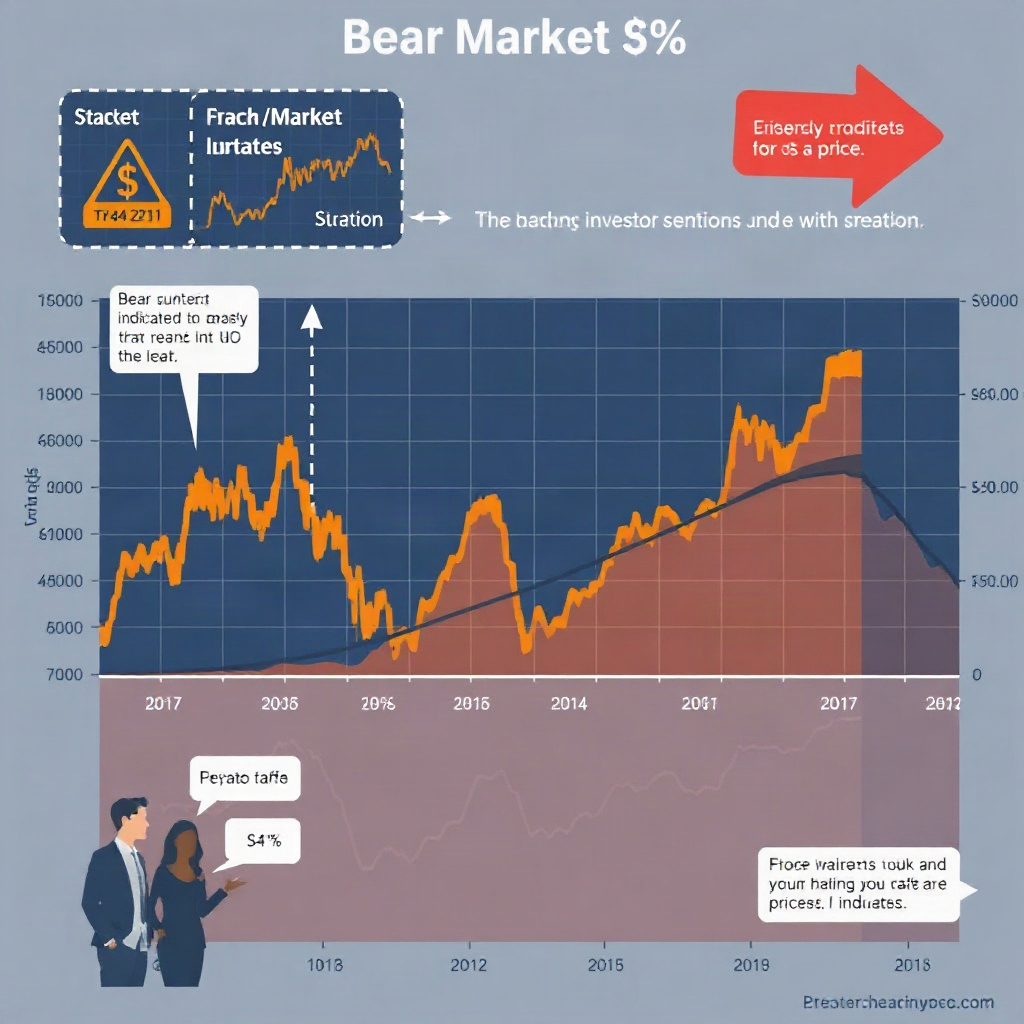
The term “bear market” is often thrown around in financial news and discussions, but what exactly does it mean? In simple terms, a bear market refers to a prolonged period of falling stock prices, typically characterized by a decrease of 20% or more from recent highs. But why do bear markets happen and what are the factors that contribute to this trend?
Understanding the Bear Market Phenomenon
Bear markets are a natural part of the stock market cycle and are often triggered by a combination of economic, financial, and psychological factors. Understanding the underlying causes of bear markets can help investors navigate through these challenging periods and make informed decisions about their investments.
Economic Indicators and Bear Markets
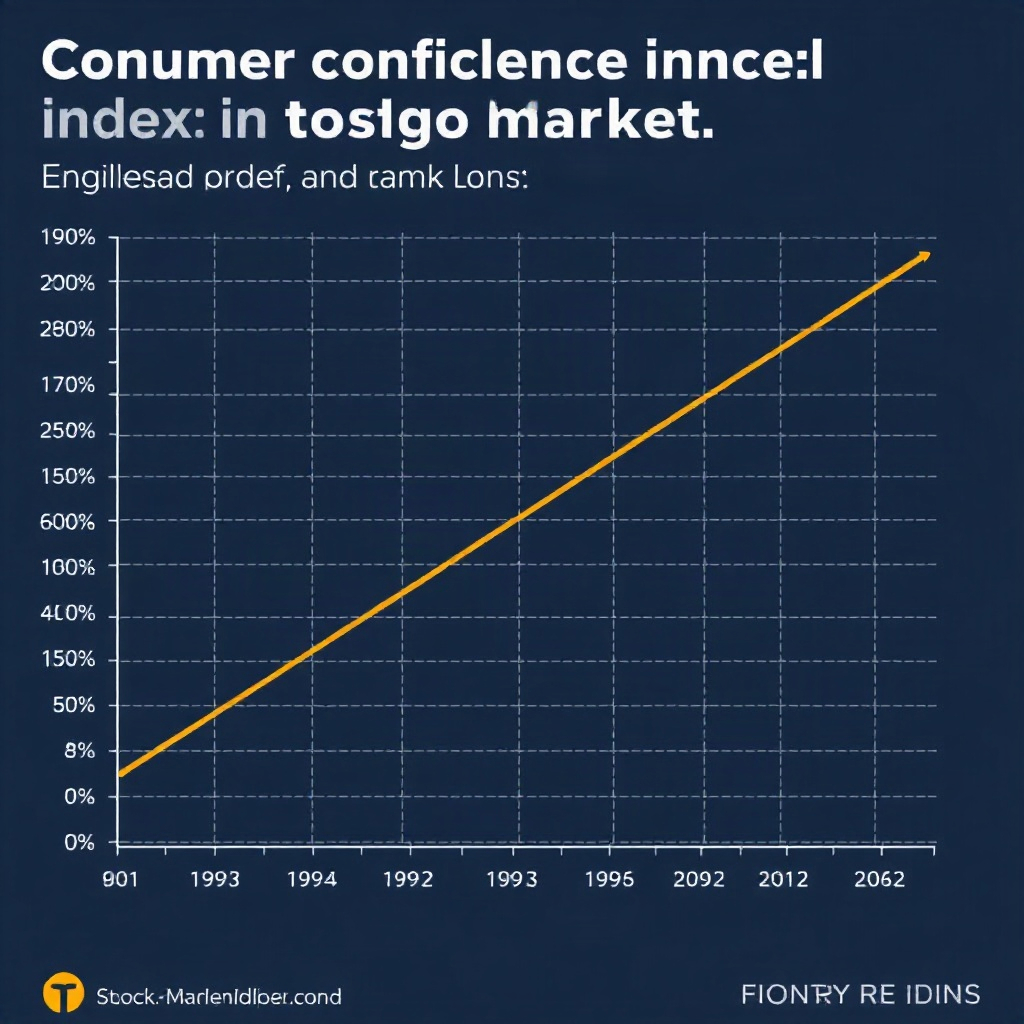
Economic indicators play a crucial role in signaling the onset of a bear market. Factors such as rising unemployment rates, declining GDP growth, and increasing inflation can all contribute to a negative market sentiment and drive stock prices lower. It is important for investors to pay close attention to these economic indicators and adjust their investment strategies accordingly.
Investor Sentiment and Market Psychology
Investor sentiment and market psychology also play a significant role in the development of bear markets. Fear, uncertainty, and panic selling can all contribute to a downward spiral in stock prices, leading to a prolonged bear market. Understanding the psychological factors at play in the market can help investors make rational decisions and avoid falling into the trap of emotional investing.
Impact of Global Events on Bear Markets
Global events, such as geopolitical tensions, natural disasters, and economic crises, can also trigger bear markets. These external factors can create uncertainty and volatility in the markets, causing investors to flee from risky assets and seek safe-haven investments. It is important for investors to stay informed about global events and their potential impact on the financial markets.
Strategies for Navigating a Bear Market
Navigating a bear market can be a challenging task, but there are strategies that investors can employ to protect their portfolios and minimize losses. Diversification, risk management, and staying disciplined are key principles to follow during a bear market. By adopting a long-term perspective and staying focused on their investment goals, investors can weather the storm and emerge stronger on the other side.
Conclusion The Resilience of the Stock Market
In conclusion, bear markets are an inevitable part of the stock market cycle, but they should not deter investors from participating in the market. By understanding the factors that contribute to bear markets and adopting sound investment strategies, investors can navigate through these challenging periods and ultimately benefit from the long-term growth potential of the stock market.