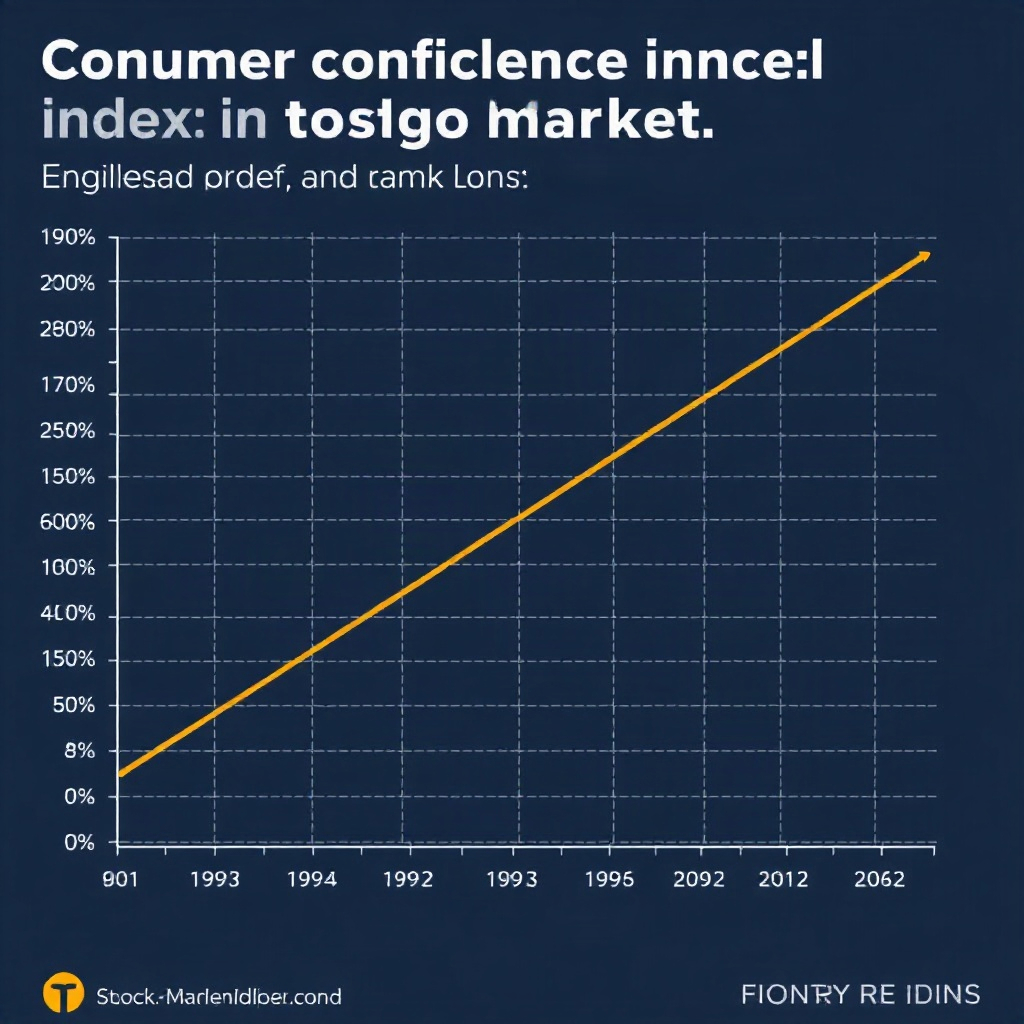
Consumer confidence plays a crucial role in shaping the overall economic landscape, especially when it comes to the financial markets. Understanding how consumer sentiment affects market behavior is essential for investors, policymakers, and businesses alike. In this article, we will delve into the intricacies of consumer confidence and its impact on markets.
The Concept of Consumer Confidence
Consumer confidence is a key indicator of the health of an economy. It reflects the level of optimism that consumers have about the state of the economy and their own financial situation. High consumer confidence typically translates to increased spending and investment, driving economic growth. On the other hand, low consumer confidence can lead to reduced economic activity and a downturn in markets.
Factors Influencing Consumer Confidence
Several factors can influence consumer confidence, including economic conditions, employment levels, inflation rates, and geopolitical events. A strong economy, low unemployment, and stable prices can boost consumer confidence, while economic uncertainty, job losses, or rising prices can erode confidence levels. Understanding these factors is crucial for predicting market trends and making informed investment decisions.
Consumer Confidence Indicators
There are various indicators used to measure consumer confidence, such as consumer sentiment surveys, retail sales data, and housing market trends. These indicators provide valuable insights into consumer behavior and sentiment, helping analysts gauge the overall economic outlook. By tracking these indicators, investors can better anticipate market movements and adjust their strategies accordingly.
Impact of Consumer Confidence on Markets
Consumer confidence has a direct impact on financial markets, influencing stock prices, bond yields, and currency values. When consumer confidence is high, investors are more likely to buy stocks and other assets, driving up prices. Conversely, low consumer confidence can lead to selling pressure and market downturns. Understanding the relationship between consumer confidence and market performance is essential for navigating volatile market conditions.
Strategies for Investing in Consumer Confidence
Investors can capitalize on shifts in consumer confidence by adopting a proactive investment strategy. Diversifying their portfolio, staying informed about economic trends, and monitoring consumer sentiment indicators can help investors make informed decisions. By staying attuned to changes in consumer confidence, investors can position themselves to take advantage of market opportunities and mitigate risks.
Conclusion
Consumer confidence is a powerful force that shapes market dynamics and investor behavior. By understanding the factors influencing consumer sentiment and tracking key indicators, investors can gain valuable insights into market trends and make informed decisions. As consumer confidence fluctuates, so too do market conditions, highlighting the importance of staying vigilant and adaptable in an ever-changing economic landscape.