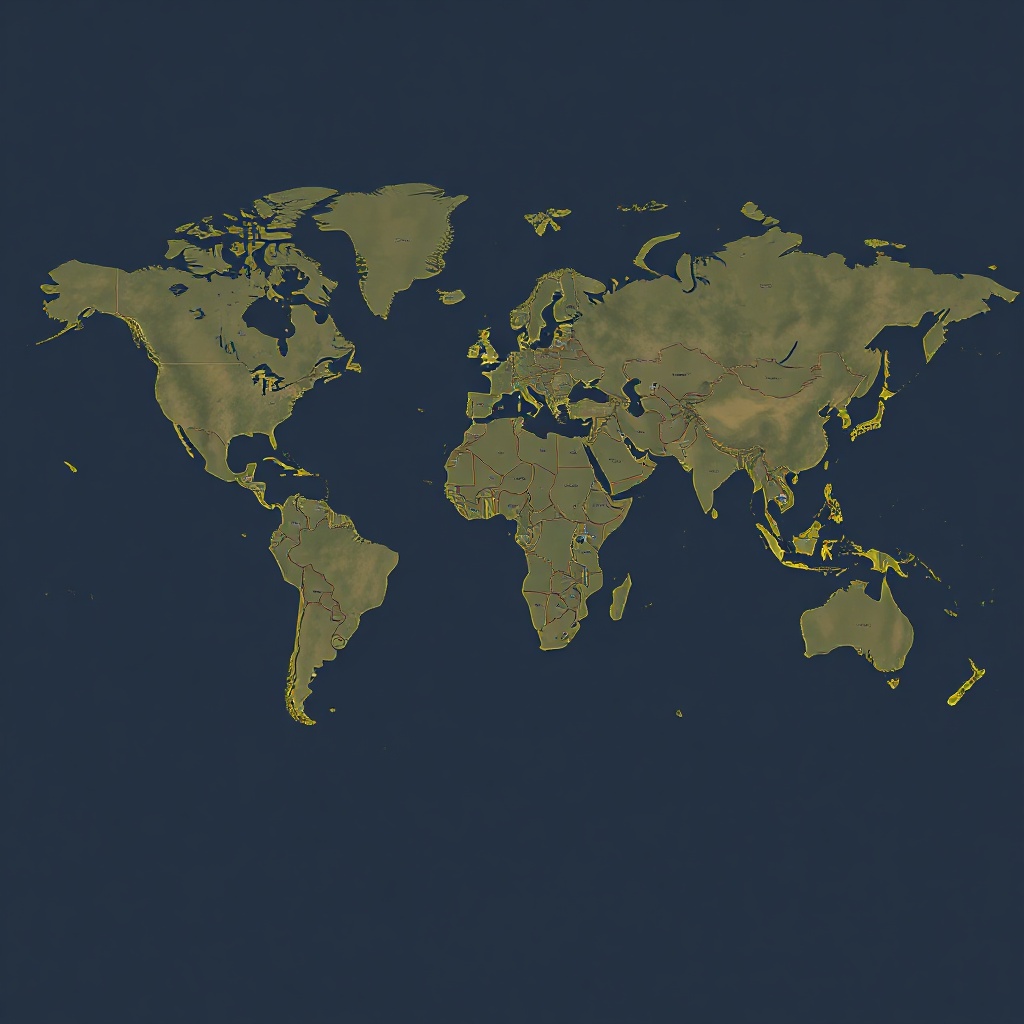
The Impact of Global Conflicts on Markets and Supply Chains
Geopolitical Risk Global conflicts have a significant impact on markets and supply chains worldwide. When conflicts arise between nations or regions, it can disrupt trade routes, increase costs, and create uncertainty in the business environment. These disruptions can lead to shortages of goods, price fluctuations, and challenges in meeting consumer demand.
Understanding Geopolitical Risk in Market Dynamics
Geopolitical risks play a crucial role in shaping market dynamics. Factors such as political instability, trade disputes, and military conflicts can all contribute to increased risk for businesses operating in affected regions. It is essential for companies to closely monitor geopolitical developments and adapt their strategies to mitigate potential risks and ensure business continuity.
Markets and Supply Chains: Navigating Global Conflicts
Navigating global conflicts requires businesses to be proactive and agile in responding to changing circumstances. Companies must diversify their supply chains, establish contingency plans, and stay informed about geopolitical risks to navigate through turbulent times successfully. By adopting a strategic approach and fostering resilience, organizations can minimize the impact of global conflicts on their operations and maintain stability in the market.
| Challenges | Strategies |
|---|---|
| Disruptions in trade routes | Diversifying supply chains |
| Price fluctuations | Establishing contingency plans |
| Increased costs | Monitoring geopolitical risks |
Understanding the Interplay Between Global Conflicts and Supply Chains
Global conflicts have a significant impact on supply chains around the world, affecting the flow of goods, services, and resources across borders. As businesses operate in an increasingly interconnected global economy, understanding the link between geopolitical tensions and supply chain disruptions is crucial for effective risk management and strategic decision-making.
Geopolitical Risk Management in Market Strategies
Geopolitical risk management is an essential component of market strategies for businesses operating in volatile regions or industries. By identifying potential risks arising from political instability, trade disputes, or military conflicts, companies can develop contingency plans to mitigate disruptions to their supply chains. This proactive approach helps organizations navigate uncertain geopolitical landscapes and maintain operational resilience.
Analyzing the Effects of Global Conflicts on Supply Chains
Global conflicts can have far-reaching effects on supply chains, leading to delays in production, transportation bottlenecks, increased costs, and supply shortages. By analyzing the impacts of geopolitical events on supply chains, businesses can assess vulnerabilities, diversify sourcing strategies, and strengthen relationships with key suppliers to minimize risks. Additionally, leveraging data analytics and technology tools can enhance supply chain visibility and enable real-time monitoring of geopolitical risks.
| Effects of Global Conflicts on Supply Chains | Geopolitical Risk Management Strategies |
|---|---|
| Delays in production | Identifying potential risks |
| Transportation bottlenecks | Developing contingency plans |
| Increased costs | Mitigating disruptions |
| Supply shortages | Enhancing operational resilience |
Strategies for Enhancing Market Resilience in the Face of Geopolitical Risks
Market resilience refers to an organization’s ability to withstand and recover from geopolitical risks that can disrupt supply chains and operations. In today’s globalized economy, businesses must proactively implement strategies to manage and mitigate these risks effectively.
Understanding Geopolitical Risks
Geopolitical risks encompass a wide range of factors such as trade conflicts, regulatory changes, political instability, and natural disasters. These risks can have a significant impact on supply chains, leading to disruptions in production, increased costs, and revenue losses.
Strategies for Managing Geopolitical Risk in Supply Chains
1. Diversification of Suppliers: Relying on a single source for key components or materials can increase vulnerability to geopolitical risks. Companies should diversify their supplier base across different regions to mitigate the impact of disruptions.
2. Risk Assessment and Monitoring: Conducting regular risk assessments and monitoring geopolitical developments can help businesses anticipate potential threats and proactively respond to changes in the operating environment.
3. Collaboration and Partnerships: Building strong relationships with suppliers, industry partners, and government agencies can provide valuable insights and support during times of crisis.
4. Technology and Data Analytics: Leveraging technology solutions such as supply chain management systems and data analytics can enhance visibility and transparency across the supply chain, enabling better risk management.
Case Study: Enhancing Market Resilience
Below is a table illustrating how a multinational corporation implemented the above strategies to enhance its market resilience in the face of geopolitical risks:
| Strategies | Actions Taken | Outcome |
|---|---|---|
| Diversification of Suppliers | Expanded supplier base to include vendors from multiple countries. | Reduced dependency on a single region and minimized supply chain disruptions. |
| Risk Assessment and Monitoring | Implemented a real-time monitoring system to track geopolitical developments. | Early detection of potential risks and proactive risk mitigation strategies. |
| Collaboration and Partnerships | Formed partnerships with industry associations and government agencies. | Access to timely information and support during crisis situations. |
| Technology and Data Analytics | Deployed advanced supply chain management software for improved visibility. | Enhanced transparency and decision-making capabilities in the supply chain. |
By adopting a holistic approach to managing geopolitical risks, businesses can enhance their market resilience and ensure continuity in the face of uncertainties and disruptions.
[faq title=”What is Geopolitical Risk?”]Geopolitical risk refers to the potential impact of political, social, economic, and military factors on global security and stability. These risks can range from trade disputes and sanctions to armed conflict and terrorism, influencing markets and supply chains worldwide.[/faq]
[faq title=”How do Global Conflicts Impact Markets?”]Global conflicts can have significant impacts on financial markets by creating uncertainty and volatility. Investors may react by selling off assets perceived as risky, leading to market downturns. Additionally, disruptions to trade routes and supply chains can cause shortages and price fluctuations in various industries.[/faq]
[faq title=”What is the Connection between Geopolitical Risk and Supply Chains?”]Geopolitical risk can disrupt supply chains by causing delays, increased costs, or even complete shutdowns of production facilities in regions affected by conflict. Companies may need to find alternative sourcing options or adjust their operations to mitigate the impact of geopolitical events on their supply chains.[/faq]
[faq title=”How can Businesses Manage Geopolitical Risk?”]Businesses can manage geopolitical risk by conducting thorough risk assessments, staying informed about global events, diversifying their supplier base, and developing contingency plans. Collaboration with industry peers and government agencies can also help businesses navigate geopolitical challenges effectively.[/faq]
[faq title=”What are Some Examples of Geopolitical Risks in Recent Years?”]Recent examples of geopolitical risks include trade tensions between the US and China, Brexit negotiations impacting European markets, and conflicts in the Middle East affecting oil prices. These events highlight the interconnected nature of global geopolitics and its impact on economies and supply chains worldwide.[/faq]