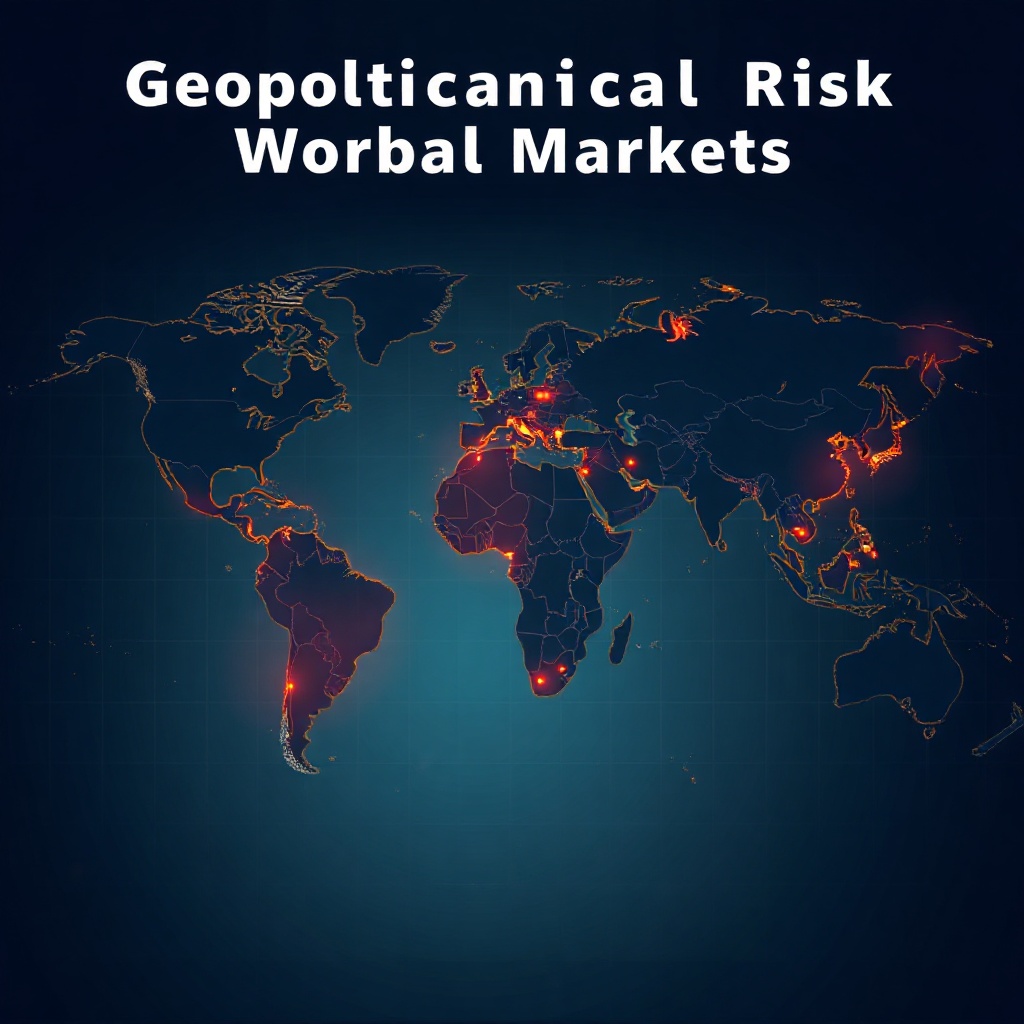
In recent years, developing countries have been steadily gaining global influence in various aspects of politics, economics, and culture. This shift in power dynamics has been driven by a combination of factors, including economic growth, technological advancements, and changes in global trade patterns. This article will explore how developing countries are asserting themselves on the global stage and the implications of this trend for the future.
The Rise of Developing Countries in Global Trade
Developing countries have become increasingly important players in the global trade arena. With the rise of emerging markets like China, India, and Brazil, these countries have been able to leverage their abundant resources and low-cost labor to become major exporters of goods and services. This shift has not only boosted their own economies but has also had ripple effects on the global economy as a whole.
The Influence of Developing Countries in International Politics
In addition to their growing economic power, developing countries are also gaining influence in international politics. As these countries become more economically prosperous, they are able to exert greater influence in global organizations like the United Nations and the World Trade Organization. This has led to a shift in power dynamics, with developing countries playing a more prominent role in shaping international policies and agreements.
The Cultural Impact of Developing Countries
The cultural influence of developing countries has also been on the rise in recent years. Countries like South Korea, Nigeria, and Mexico have emerged as cultural powerhouses, exporting their music, films, and fashion to a global audience. This cultural exchange has not only enriched the global cultural landscape but has also helped to challenge traditional notions of cultural dominance.
The Role of Technology in Empowering Developing Countries
Technological advancements have played a crucial role in empowering developing countries to gain global influence. The widespread adoption of mobile technology and the internet has provided these countries with new opportunities to connect with the rest of the world and share their ideas and innovations. This has leveled the playing field in many ways, allowing developing countries to compete on a more equal footing with their developed counterparts.
Challenges and Opportunities for Developing Countries
While the rise of developing countries presents many opportunities for growth and prosperity, it also comes with its fair share of challenges. Issues like income inequality, political instability, and environmental degradation continue to pose significant obstacles to sustainable development. However, by addressing these challenges head-on and leveraging their unique strengths, developing countries can continue to assert themselves on the global stage.
The Future of Global Influence
As developing countries continue to gain momentum on the global stage, the future holds great promise for a more diverse and inclusive world order. By embracing the contributions of all nations, regardless of their economic status or political power, we can build a more equitable and sustainable future for all. The rise of developing countries is not just a trend – it is a fundamental shift in the balance of power that has the potential to reshape the world as we know it.