The intricate relationship between domestic politics and foreign policy decisions is a subject of profound importance in the field of international relations. As nations navigate the complex landscape of global diplomacy, the internal dynamics of governance significantly influence how states interact with one another. Domestic political factors, such as public opinion, party politics, and interest groups, can determine the direction of a country’s foreign policy. Understanding this interplay is crucial for grasping the nuances of international relations and the motivations behind state actions on the global stage. In this article, we will explore how domestic political considerations shape foreign policy decisions, delving into various aspects that illuminate this complex relationship.
The Role of Public Opinion in Shaping Foreign Policy
Public opinion serves as a pivotal force in shaping foreign policy decisions, exerting pressure on political leaders to align their actions with the sentiments of their constituents. In democratic societies, where leaders are accountable to the electorate, the influence of public opinion becomes particularly pronounced. For instance, during times of international crisis, leaders often gauge public sentiment to guide their responses. A notable example can be seen in the United States during the Vietnam War; as public discontent grew regarding military involvement, political leaders were compelled to reconsider their strategies, ultimately leading to a withdrawal from the conflict. This dynamic illustrates the extent to which leaders must navigate public opinion when formulating foreign policy, balancing national interests with the need to maintain electoral support.
Moreover, the role of media cannot be overlooked in this context. The advent of 24-hour news cycles and the rapid dissemination of information have amplified the impact of public opinion on foreign policy. Politicians are acutely aware that their decisions are scrutinized not only by their opponents but also by an increasingly informed electorate. Consequently, they may adopt foreign policy positions that resonate with prevailing public sentiments, even if such positions may not necessarily align with expert analyses or long-term strategic considerations. This phenomenon raises questions about the efficacy of democratic governance in foreign policy formulation, as leaders may prioritize short-term popularity over substantive, well-reasoned decisions.
Political Parties and Their Influence on Foreign Policy
The ideological orientations and power dynamics within political parties play a crucial role in shaping foreign policy decisions. Different parties often possess distinct foreign policy agendas, influenced by their foundational principles and the interests of their constituents. For example, a conservative party might prioritize national security and military strength, while a progressive party may focus on diplomacy and multilateralism. This divergence can lead to significant shifts in foreign policy depending on which party holds power.
Furthermore, intra-party dynamics can complicate the decision-making process. Factions within a party might advocate for competing foreign policy approaches, leading to internal conflicts that affect how policies are crafted and implemented. In the United States, for instance, the rise of isolationist sentiments within the Republican Party has challenged traditional hawkish foreign policy stances, prompting debates over the country’s role in international affairs. Such intra-party conflicts can result in a lack of coherence in foreign policy, as leaders strive to navigate the preferences of various party factions while also addressing the expectations of the wider electorate.
Additionally, the timing of elections can further influence foreign policy decisions. Politicians may adopt particular stances or actions in response to upcoming elections, seeking to bolster their standing among voters. This electoral calculus can lead to short-term foreign policy maneuvers that prioritize political gain over long-term strategic interests, thereby complicating the relationship between domestic politics and foreign policy decision-making.
Interest Groups and Their Impact on Foreign Policy Formulation
Interest groups, ranging from business coalitions to non-governmental organizations, exert considerable influence on foreign policy formulation. These entities often possess specialized knowledge and resources that allow them to advocate effectively for their interests, thereby shaping the priorities of policymakers. For instance, lobbying efforts by the defense industry can lead to increased military spending and a more aggressive foreign policy stance, while environmental organizations may push for international agreements on climate change.
The effectiveness of interest groups in influencing foreign policy is often contingent upon their ability to mobilize public support and leverage political connections. Successful interest groups can create a sense of urgency around their causes, persuading policymakers to act in accordance with their objectives. This interplay between interest groups and domestic politics can create a feedback loop where foreign policy decisions are increasingly swayed by the interests of a few rather than by the broader public good.
Moreover, the relationship between interest groups and political leaders is often symbiotic. Politicians may rely on the financial contributions and organizational support of interest groups to bolster their electoral campaigns, creating a reciprocal relationship that can compromise the integrity of foreign policy decisions. As a result, foreign policy may be disproportionately influenced by the interests of well-funded groups, raising concerns about transparency and accountability within the decision-making process.
The Interplay of National Security and Domestic Politics
National security is a paramount concern for any state, and its prioritization often intersects with domestic political considerations. Elected officials frequently invoke national security as a justification for various foreign policy actions, ranging from military interventions to trade agreements. However, the definition of what constitutes national security is subject to interpretation and debate, often influenced by the prevailing domestic political climate.
During periods of heightened security threats, political leaders may adopt more aggressive foreign policy measures, appealing to a sense of national unity and patriotism among the electorate. For example, following the September 11 attacks, the United States experienced a significant shift in its foreign policy, characterized by a focus on counterterrorism and military engagement in the Middle East. This response was heavily influenced by public sentiment and political discourse surrounding national security, showcasing how domestic political imperatives can drive foreign policy decisions.
Conversely, in times of relative peace, domestic political considerations may lead to a more restrained approach to foreign policy. Politicians may prioritize domestic issues over international engagements, reflecting the preferences of the electorate. This cyclical nature of national security and domestic politics underscores the complexity of foreign policy formulation and the need for leaders to navigate competing demands from both spheres.
The Globalization of Domestic Politics and Its Effects on Foreign Policy
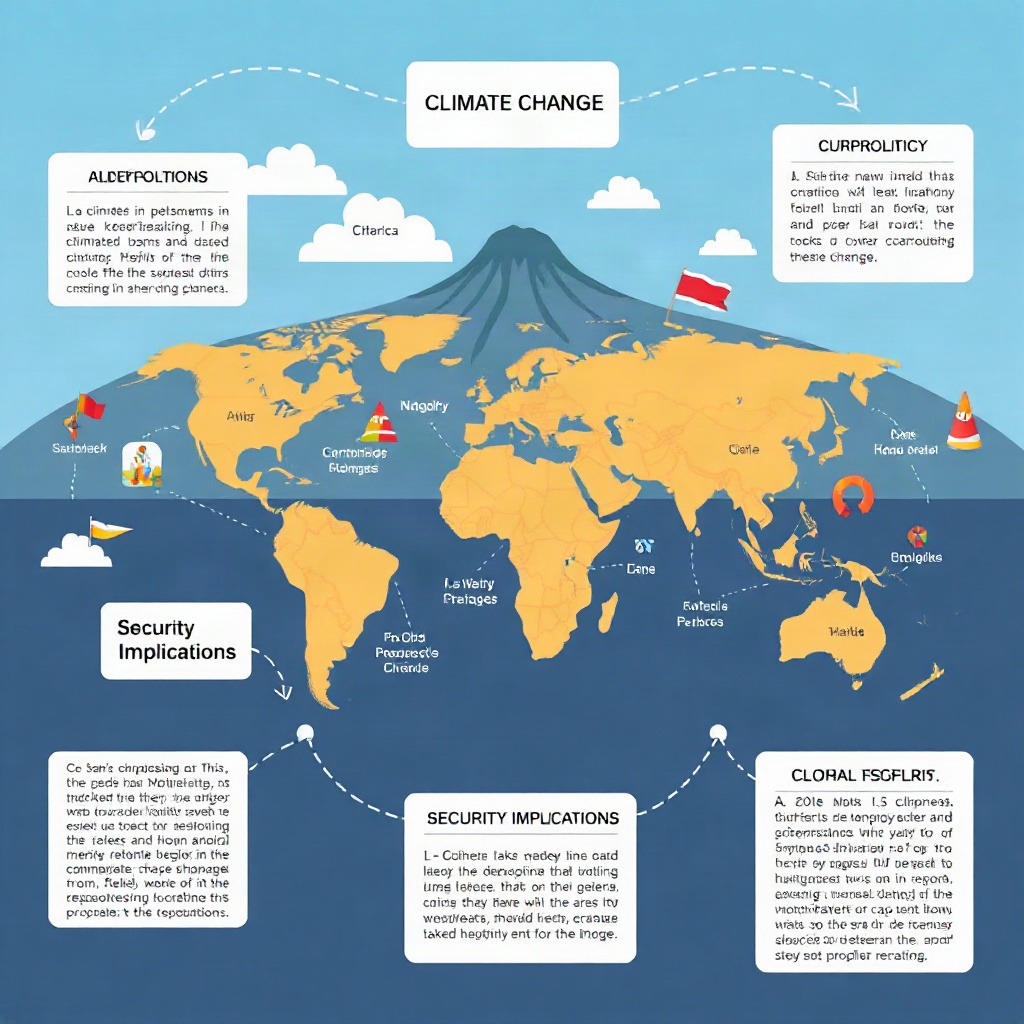
In an increasingly interconnected world, domestic politics are no longer confined within national borders; they have become globalized phenomena that influence foreign policy decisions. The rise of transnational issues, such as climate change, terrorism, and migration, necessitates a collective response that transcends individual states. As domestic political actors grapple with these global challenges, their responses can have significant implications for foreign policy.
For instance, domestic political movements advocating for climate action have prompted many governments to adopt more ambitious international commitments, such as the Paris Agreement. These domestic pressures reflect a growing awareness among the electorate of the interconnectedness of global issues, compelling policymakers to align their foreign policy with the aspirations of their constituents. Conversely, backlash against globalization can lead to isolationist foreign policy stances, as seen in recent political trends across various countries.
Furthermore, the influence of international organizations and non-state actors has contributed to the globalization of domestic politics. Domestic political parties and interest groups often engage with international counterparts to share strategies and mobilize support for their causes. This interconnectedness can create a feedback loop that shapes foreign policy decisions, as domestic actors respond to trends and developments in the global political landscape.
Conclusion Navigating the Complex Relationship Between Domestic Politics and Foreign Policy
The relationship between domestic politics and foreign policy is characterized by a complex interplay of factors that shape the decisions made by political leaders. Public opinion, party dynamics, interest groups, national security considerations, and the globalization of domestic politics all contribute to the formulation of foreign policy. As states confront an increasingly complex and interconnected world, understanding the domestic influences on foreign policy becomes essential for both policymakers and scholars alike.
In conclusion, the intricate web of domestic political influences underscores the importance of considering these factors in the formulation of foreign policy. As nations navigate the challenges of the global stage, the need for a nuanced understanding of the interplay between domestic politics and foreign policy decisions is more critical than ever. Recognizing this dynamic can provide valuable insights into the motivations behind state actions and the implications for international relations in a rapidly changing world.