Geopolitics and International Relations are two closely related fields that often get confused. While they both deal with global issues and international affairs, there are key differences that set them apart. In this article, we will explore the nuances of Geopolitics vs. International Relations and how they differ in their approach and focus.
The Origins of Geopolitics and International Relations
Geopolitics and International Relations have their roots in different disciplines. Geopolitics emerged as a subfield of geography, focusing on the relationship between geography, power, and politics. On the other hand, International Relations originated as a branch of political science, studying the interactions between states, international organizations, and non-state actors.
The Scope of Geopolitics and International Relations
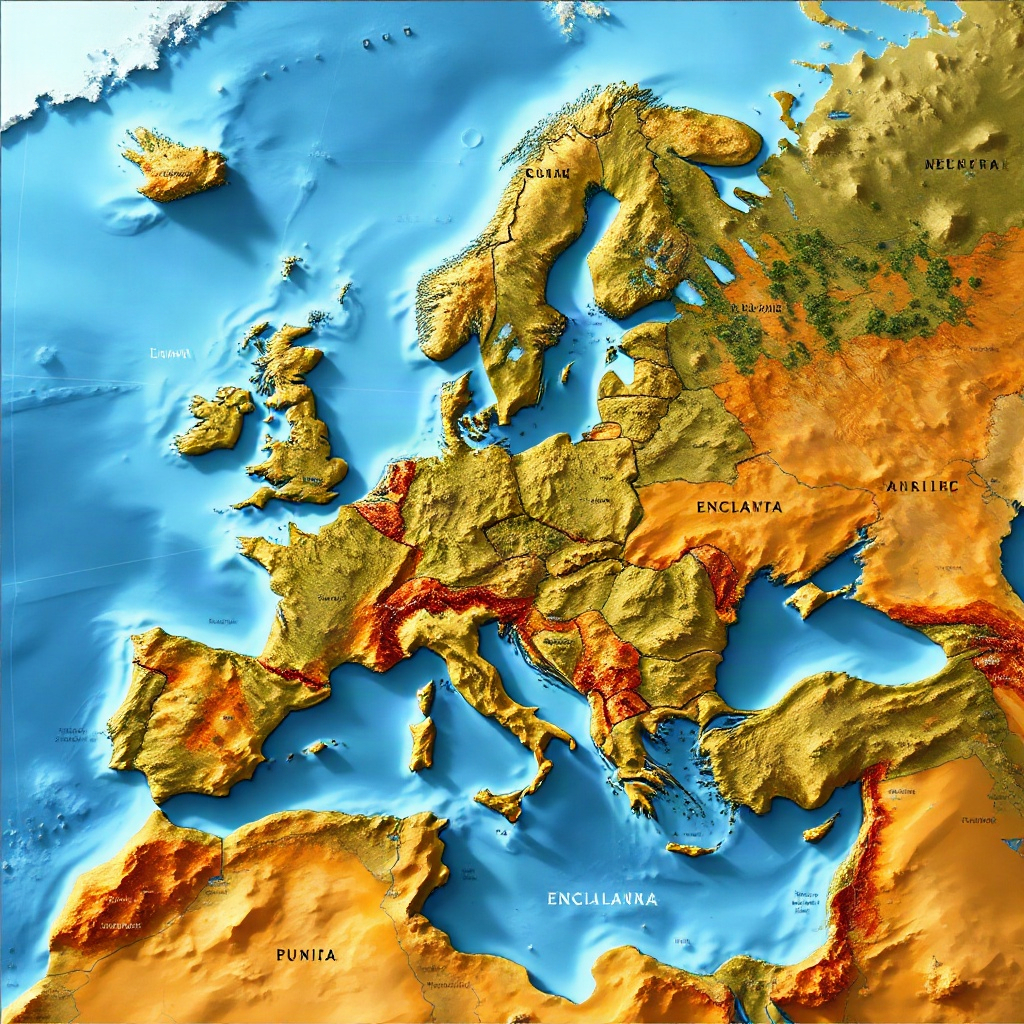
Geopolitics is more concerned with the spatial dimension of politics, analyzing how geographical factors such as location, resources, and physical boundaries influence international relations. In contrast, International Relations take a broader approach, examining political, economic, social, and cultural aspects of global interactions.
The Methodology of Geopolitics and International Relations
Geopolitics often employs spatial analysis, maps, and geopolitical theories to understand power dynamics and conflicts among states. International Relations, on the other hand, use a variety of methodologies such as diplomacy, negotiation, and international law to study the behavior of actors in the global arena.
The Focus of Geopolitics and International Relations
Geopolitics focuses on the strategic interests of states, the control of territories, and the competition for resources in specific regions. International Relations, on the other hand, emphasize cooperation, alliances, and the promotion of peace and security through international institutions and diplomacy.
The Actors in Geopolitics and International Relations
Geopolitics primarily deals with states as the main actors in global politics, analyzing their power struggles and rivalries. In contrast, International Relations consider a wider range of actors, including non-state entities such as multinational corporations, non-governmental organizations, and terrorist groups.
The Future of Geopolitics and International Relations
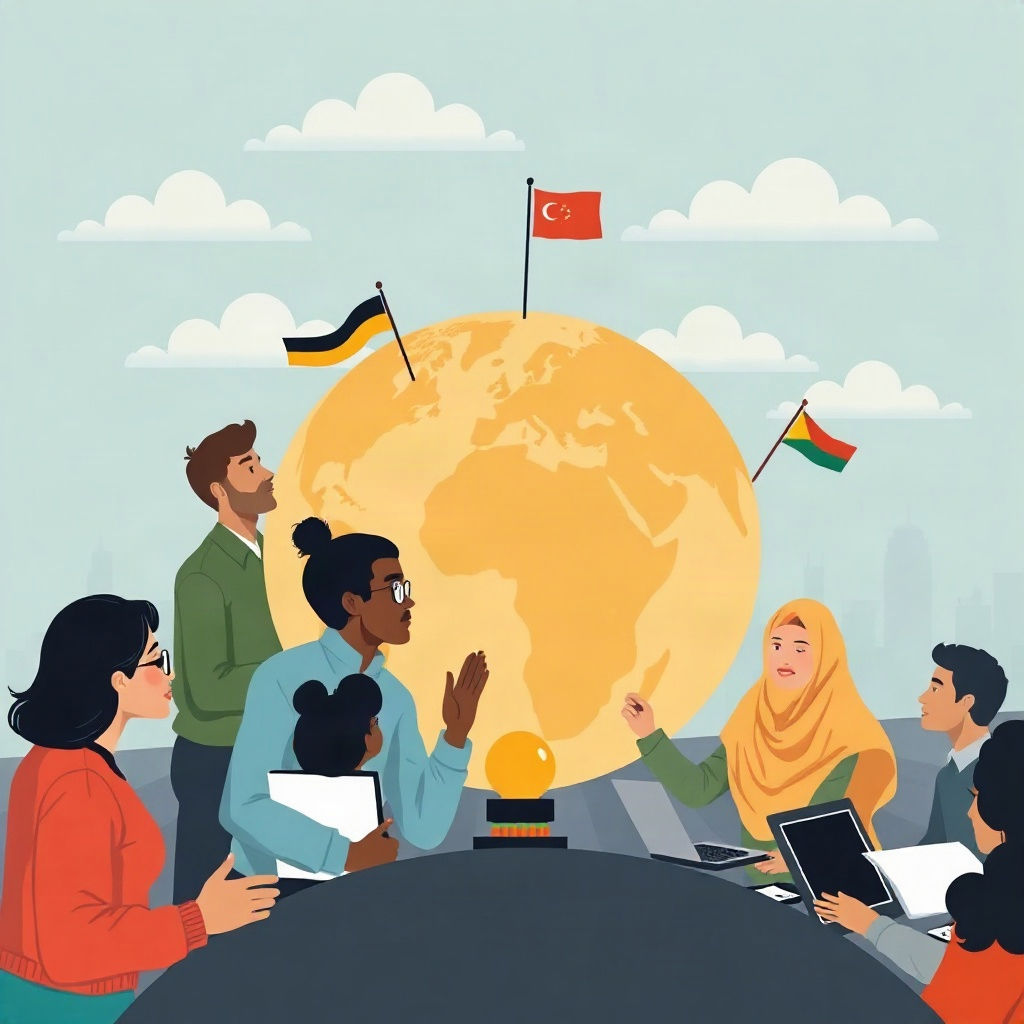
As the world becomes increasingly interconnected, the lines between Geopolitics and International Relations are becoming blurred. The rise of global challenges such as climate change, pandemics, and terrorism requires a holistic approach that combines the insights of both fields to address complex global issues.
In conclusion, Geopolitics and International Relations may overlap in some areas, but they have distinct focuses and methodologies that set them apart. Understanding the differences between these two fields is essential for anyone studying or working in the realm of global politics.