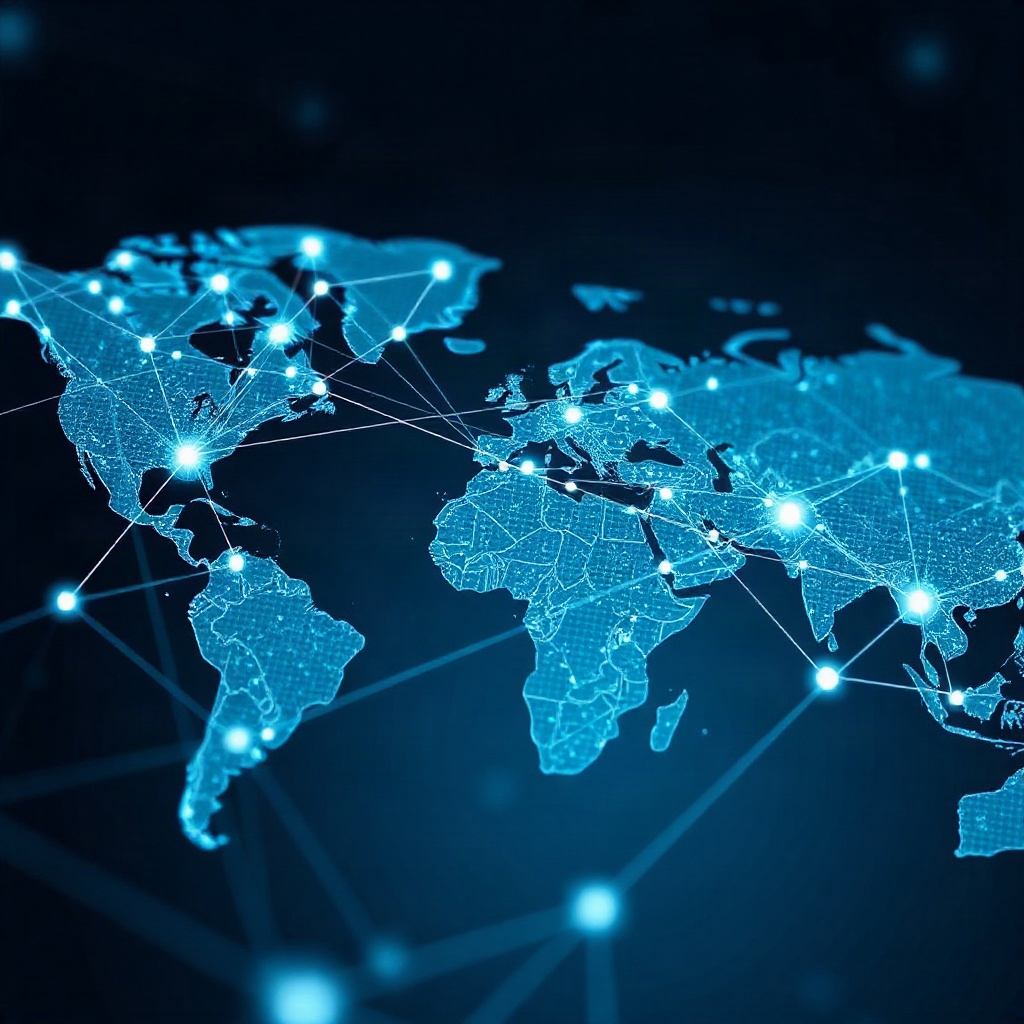
Geopolitics is a crucial field that shapes the interactions between countries on a global scale. It involves the study of how geographical factors influence politics and international relations. Understanding geopolitics is essential for comprehending the complexities of modern world affairs and predicting future trends. In this article, we will explore the concept of geopolitics, its significance, and why it matters in today’s interconnected world.
The Definition of Geopolitics
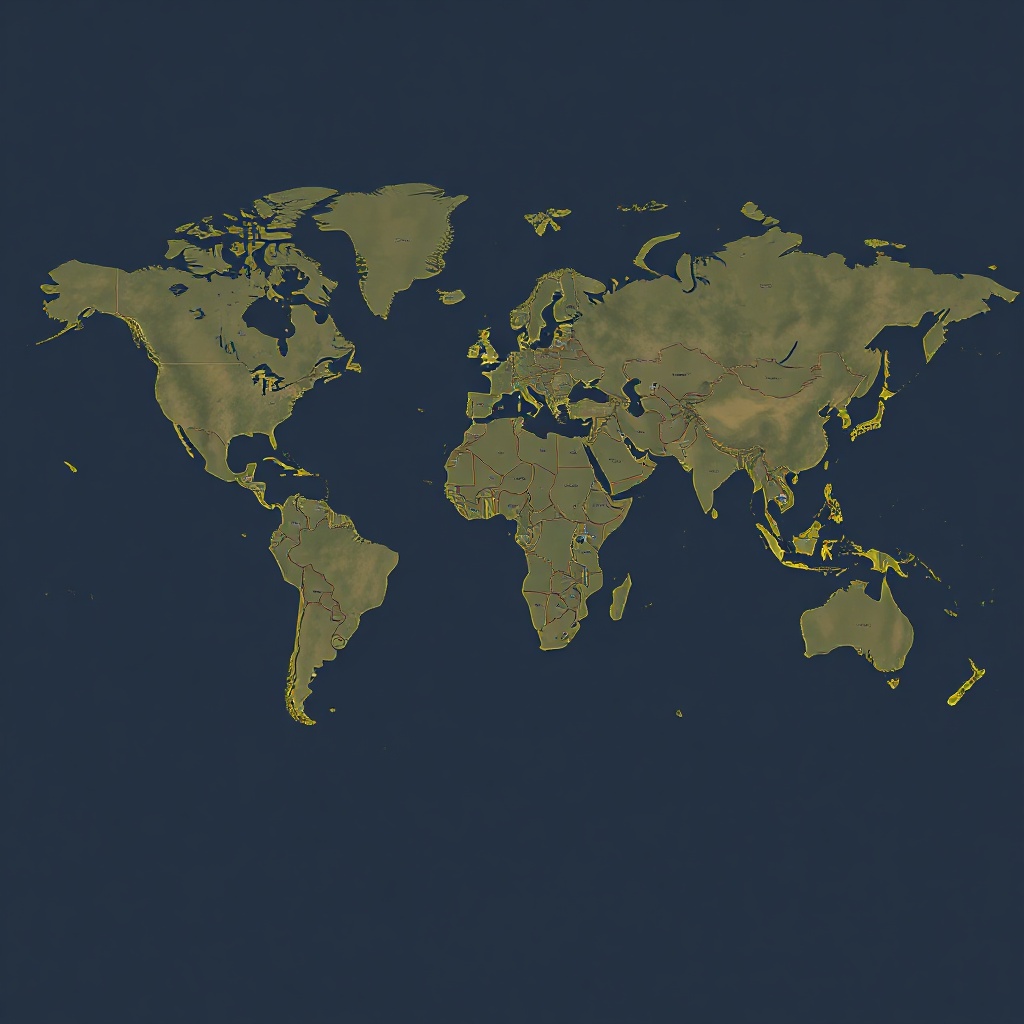
Geopolitics can be defined as the study of how geographical factors, such as location, resources, and terrain, influence political decisions and international relations. It examines how states use their geographical advantages or disadvantages to achieve strategic objectives. Geopolitical analysis often focuses on the distribution of power, alliances, and conflicts in different regions of the world.
The Historical Roots of Geopolitics
The roots of geopolitics can be traced back to the early 20th century when scholars like Sir Halford Mackinder and Alfred Thayer Mahan began studying the strategic importance of geography in shaping world politics. Mackinder’s Heartland Theory and Mahan’s Sea Power Theory laid the foundation for modern geopolitics by emphasizing the significance of land and sea power in global affairs.
Geopolitics in the Modern World
In today’s interconnected world, geopolitics plays a vital role in shaping international relations, trade agreements, and security policies. Major powers like the United States, China, and Russia use geopolitics to advance their interests and influence the global order. Geopolitical conflicts over resources, territorial disputes, and strategic alliances continue to shape the geopolitical landscape.
The Significance of Geopolitics
Geopolitics is significant because it helps policymakers, diplomats, and analysts understand the underlying motives behind international actions. By analyzing the geopolitical factors at play, stakeholders can anticipate potential conflicts, identify opportunities for cooperation, and develop strategies to safeguard national interests. In an increasingly complex and competitive world, geopolitical knowledge is a valuable asset.
Geopolitics and Global Governance
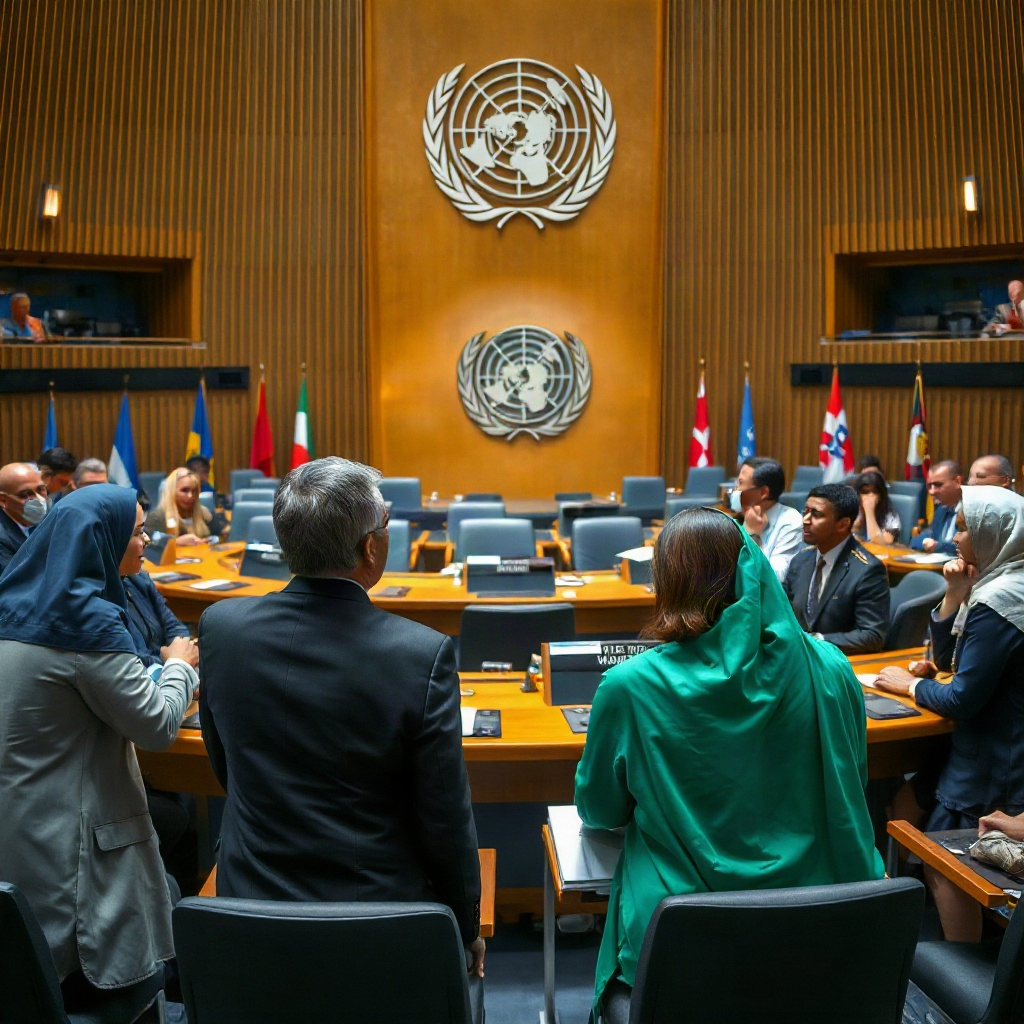
Geopolitics also plays a crucial role in shaping global governance structures and institutions. International organizations like the United Nations, NATO, and the European Union are influenced by geopolitical considerations in their decision-making processes. Geopolitical rivalries and alliances often determine the effectiveness of multilateral cooperation and the resolution of global challenges.
The Future of Geopolitics
As the world becomes more interconnected and interdependent, the study of geopolitics will continue to evolve and adapt to new challenges. Technological advancements, climate change, and economic shifts are reshaping the geopolitical landscape and creating new opportunities for cooperation and competition. Understanding the dynamics of geopolitics will be essential for navigating the complexities of the 21st century.