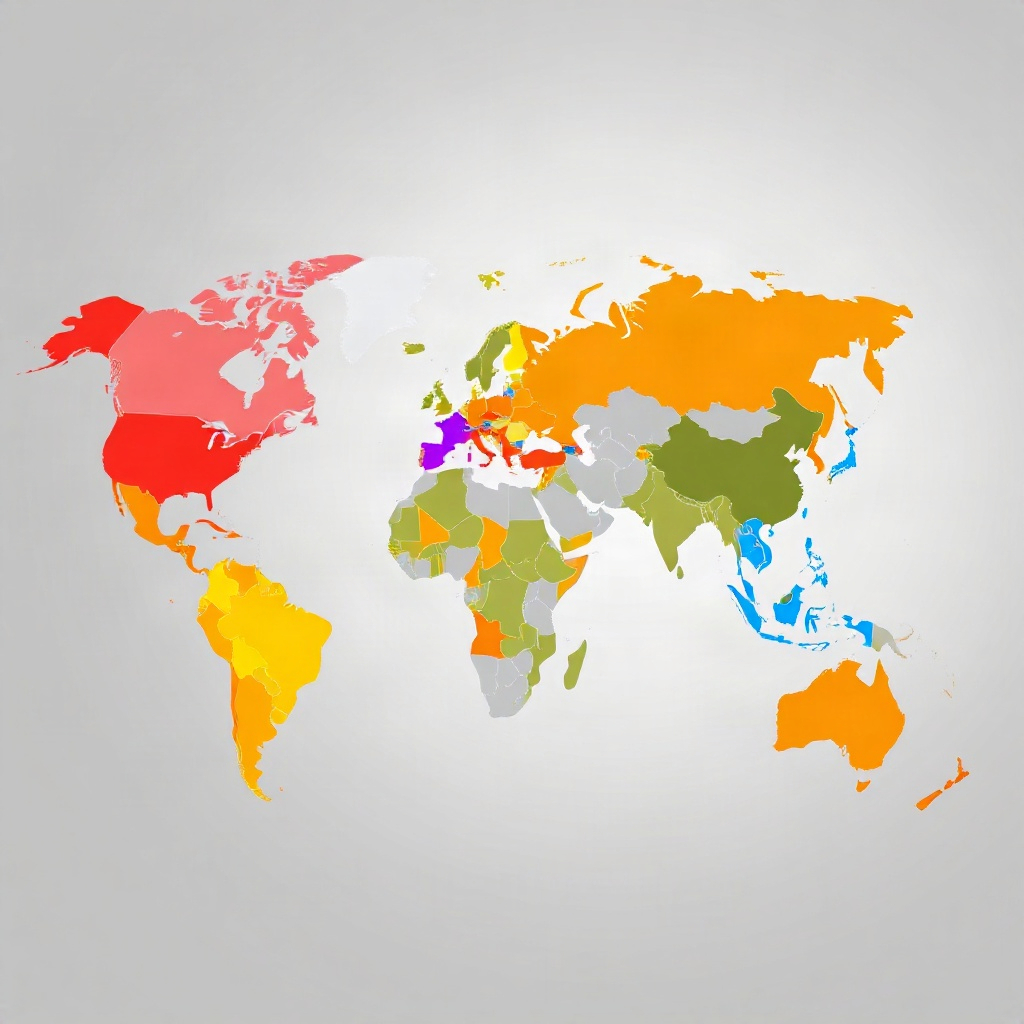
In the realm of international relations, the concept of world order is crucial in understanding the dynamics of power and cooperation among states. Unipolar, bipolar, and multipolar orders are three distinct structures that shape the global political landscape. Each order comes with its own set of characteristics and implications for the distribution of power and the balance of international relations.
Unipolar World Order
A unipolar world order is characterized by the dominance of a single superpower that has unrivaled influence over global affairs. The United States during the Cold War era is often cited as an example of a unipolar power. In a unipolar system, the leading state sets the rules of the game, exerts its authority over other nations, and shapes the international agenda according to its interests.
Bipolar World Order
A bipolar world order is defined by the presence of two major powers that hold relatively equal amounts of influence and military capabilities. The Cold War between the United States and the Soviet Union exemplifies a classic bipolar structure. In a bipolar system, the balance of power between the two dominant states creates a sense of stability and predictability in international relations.
Multipolar World Order
A multipolar world order involves multiple centers of power that compete for influence on the global stage. This can lead to a more complex and fluid international system where alliances shift, conflicts arise, and new power dynamics emerge. The current global landscape, with rising powers like China and India challenging traditional Western dominance, is often described as moving towards a multipolar order.
Implications of Different World Orders
Each type of world order has its own implications for the behavior of states, the management of conflicts, and the prospects for cooperation. In a unipolar system, the leading power may face challenges in maintaining its hegemony and may encounter resistance from other states seeking to assert their own interests. In a bipolar system, the rivalry between the two major powers can lead to a tense and potentially dangerous geopolitical environment. In a multipolar system, the presence of multiple power centers can make it harder to achieve consensus on global issues and may increase the likelihood of conflicts erupting.
Adapting to Changing World Orders
As the international system evolves, states must adapt to the changing dynamics of world orders in order to navigate the complexities of global politics. Strategies such as balancing power, forming alliances, and engaging in multilateral diplomacy become crucial tools for states seeking to advance their interests and maintain stability in an increasingly interconnected world.
Conclusion
In conclusion, the transition between unipolar, bipolar, and multipolar world orders reflects the shifting balance of power and the evolving nature of international relations. Understanding the differences between these structures is essential for policymakers, scholars, and citizens alike in order to make sense of the complexities of the global political landscape and anticipate future challenges and opportunities.