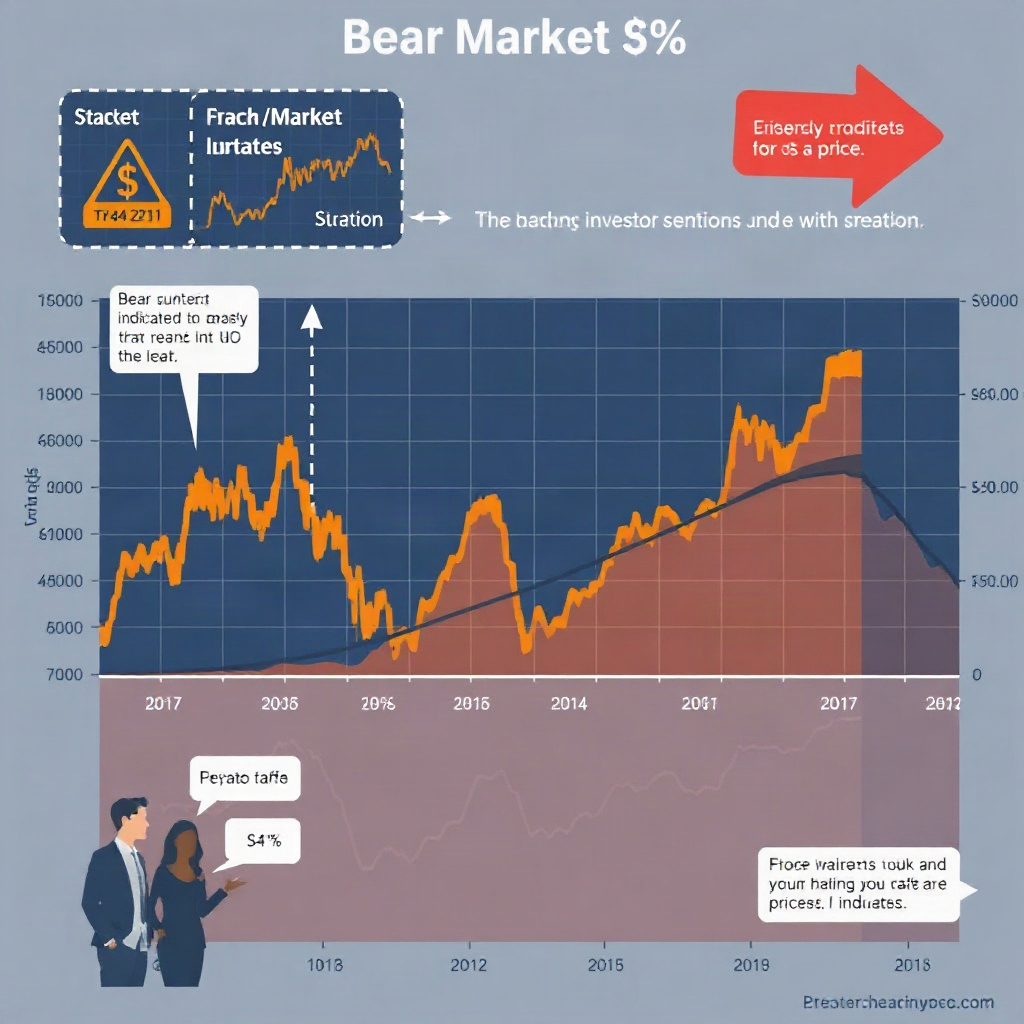
In the world of finance, understanding the concept of a bull market is crucial for investors and traders alike. This article will delve into what a bull market is, how it works, and what individuals need to know about it.
What is a Bull Market
A bull market is a financial market that is on the rise and is characterized by optimism, investor confidence, and expectations of continued strong performance. In a bull market, asset prices are increasing, and the overall economic outlook is positive. This period is typically associated with strong economic growth, low unemployment rates, and rising corporate profits.
Characteristics of a Bull Market
One of the key characteristics of a bull market is the upward trend in stock prices. Investors are generally more willing to take on risk during a bull market, leading to increased buying activity. Additionally, trading volumes tend to be high, as more investors are actively participating in the market. Bull markets are also marked by a general feeling of euphoria and excitement among investors.
How Does a Bull Market Work
In a bull market, investors have a positive outlook on the economy and the stock market in general. This optimism leads to increased demand for stocks, which drives prices higher. As stock prices continue to rise, more investors are attracted to the market, further fueling the upward trend. The cycle of optimism, increased buying activity, and rising prices creates a self-reinforcing loop that sustains the bull market.
Strategies for Investing in a Bull Market
Investing in a bull market requires a different approach than investing in a bear market. During a bull market, it is important to focus on growth stocks and sectors that are expected to perform well in a strong economy. Diversification is key to managing risk in a bull market, as even the strongest bull markets can experience pullbacks and corrections.
Risks and Challenges of a Bull Market
While a bull market can be a profitable time for investors, it also comes with risks and challenges. One of the biggest risks of a bull market is the potential for a market bubble, where asset prices become disconnected from their underlying value. Investors should also be cautious of excessive speculation and leverage, which can lead to significant losses if the market experiences a downturn.
The Role of Investor Psychology in a Bull Market
Investor psychology plays a significant role in driving a bull market. The optimism and confidence of investors can create a self-fulfilling prophecy, where positive sentiment leads to higher stock prices. However, it is important for investors to remain disciplined and avoid making emotional decisions based on market fluctuations.