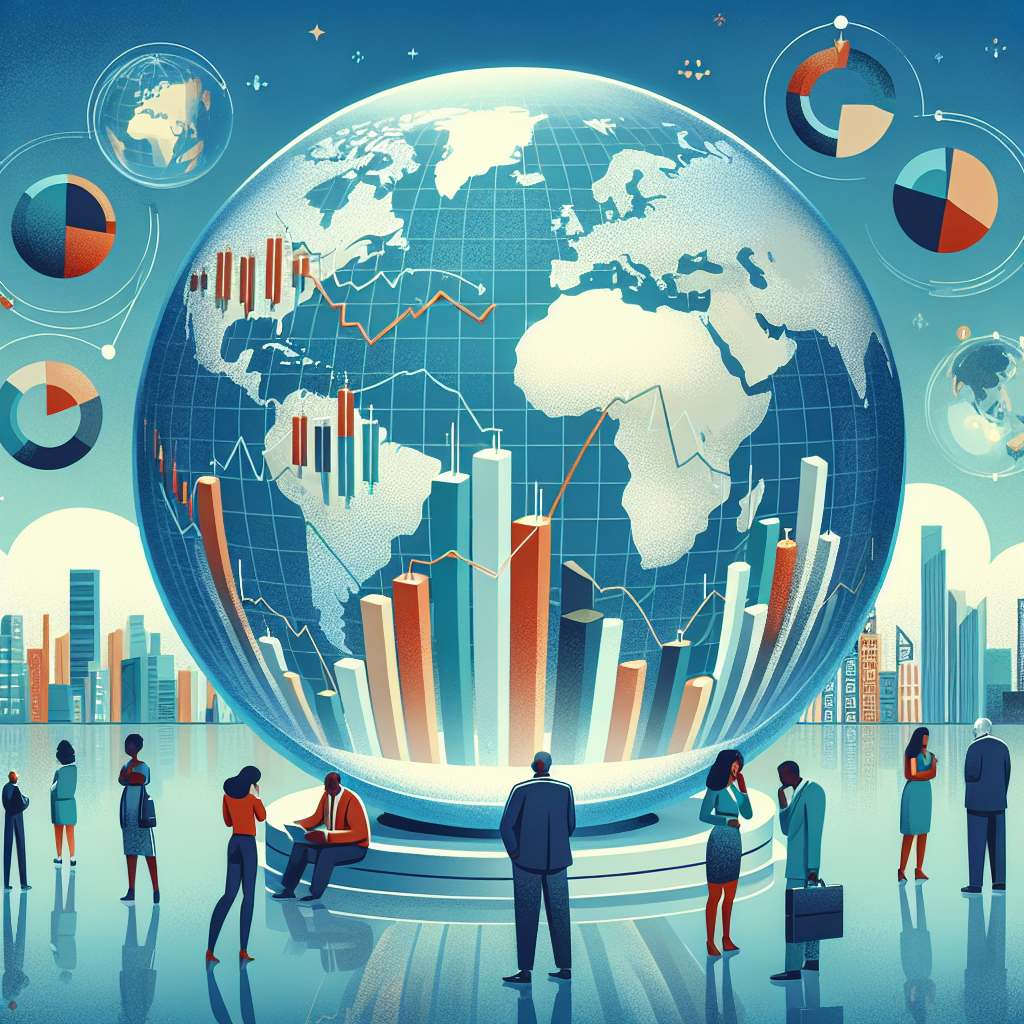
Analyzing a country’s economic performance is a crucial task that requires a deep understanding of various economic indicators and factors. In this article, we will delve into the key aspects of how to effectively analyze a country’s economic performance and draw insightful conclusions.
Introduction to Economic Analysis
Economic analysis involves the study of a country’s economic performance through the examination of various indicators such as GDP growth, inflation rates, unemployment rates, and trade balances. By analyzing these factors, economists and policymakers can assess the overall health of an economy and make informed decisions.
Understanding GDP Growth
Gross Domestic Product (GDP) growth is one of the most important indicators of a country’s economic performance. It measures the total value of all goods and services produced within a country’s borders over a specific period. A high GDP growth rate indicates a strong and growing economy, while a low rate may signal economic stagnation or contraction.
Examining Inflation Rates
Inflation is the rate at which the general level of prices for goods and services rises, leading to a decrease in the purchasing power of a country’s currency. High inflation rates can erode the value of money and negatively impact consumers, while low inflation rates may indicate economic stability but could also signal weak demand.
Assessing Unemployment Rates
Unemployment rates reflect the percentage of the labor force that is actively seeking employment but is unable to find work. High unemployment rates can strain a country’s social welfare system and lead to social unrest, while low rates may indicate a robust job market but could also point to underemployment or discouraged workers.
Analyzing Trade Balances
Trade balances measure the difference between a country’s exports and imports of goods and services. A positive trade balance, also known as a trade surplus, occurs when exports exceed imports, indicating economic strength. A negative trade balance, or trade deficit, signals that a country is importing more than it is exporting, which can put pressure on the economy.
Evaluating Fiscal and Monetary Policies
Fiscal and monetary policies play a crucial role in shaping a country’s economic performance. Fiscal policy involves government spending and taxation, while monetary policy focuses on the control of money supply and interest rates by central banks. Effective policies can stimulate economic growth, while ineffective ones may lead to inflation, recession, or financial instability.