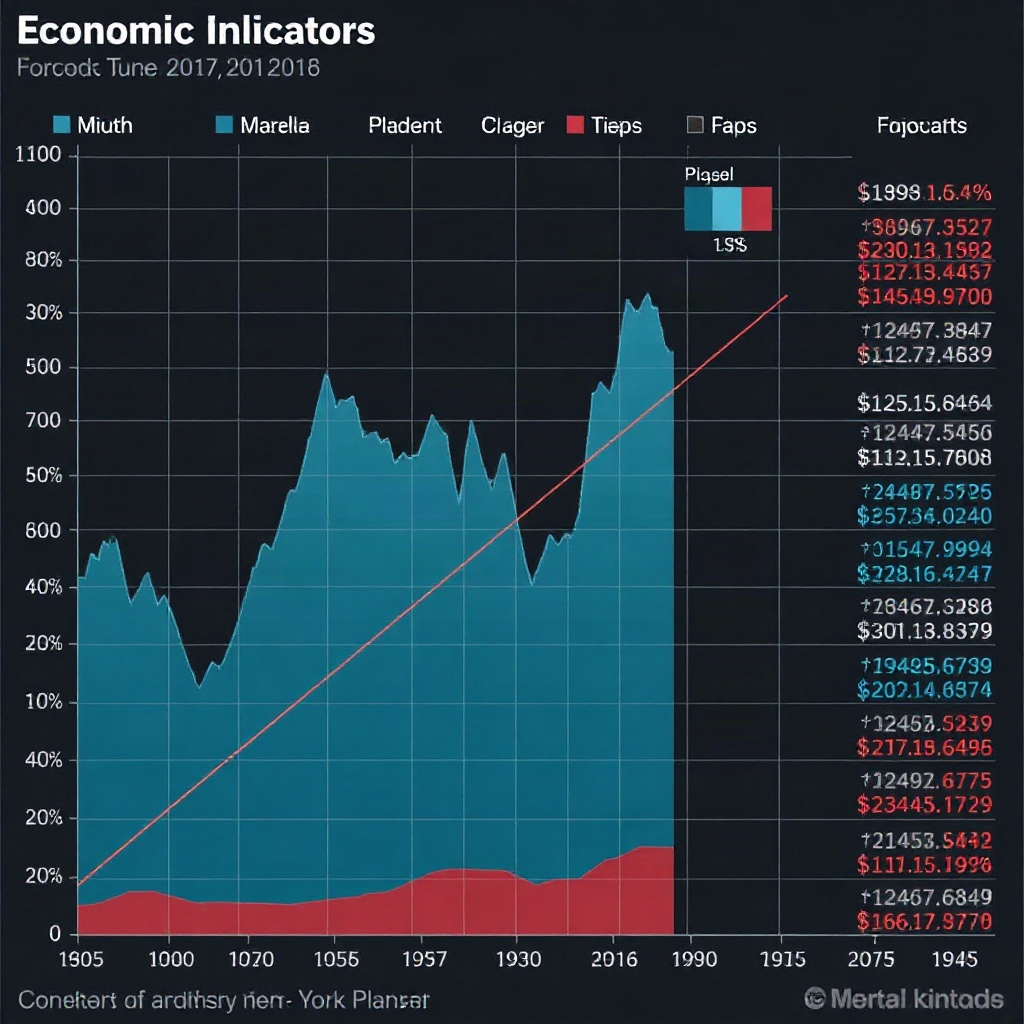
The global economy is a complex and interconnected system that is constantly facing various challenges and disruptions. In today’s fast-paced world, it is crucial to analyze and understand what factors could potentially disrupt the global economy in the near future. By identifying these challenges, policymakers, businesses, and individuals can better prepare and adapt to the changing economic landscape.
Technological Advancements and Automation
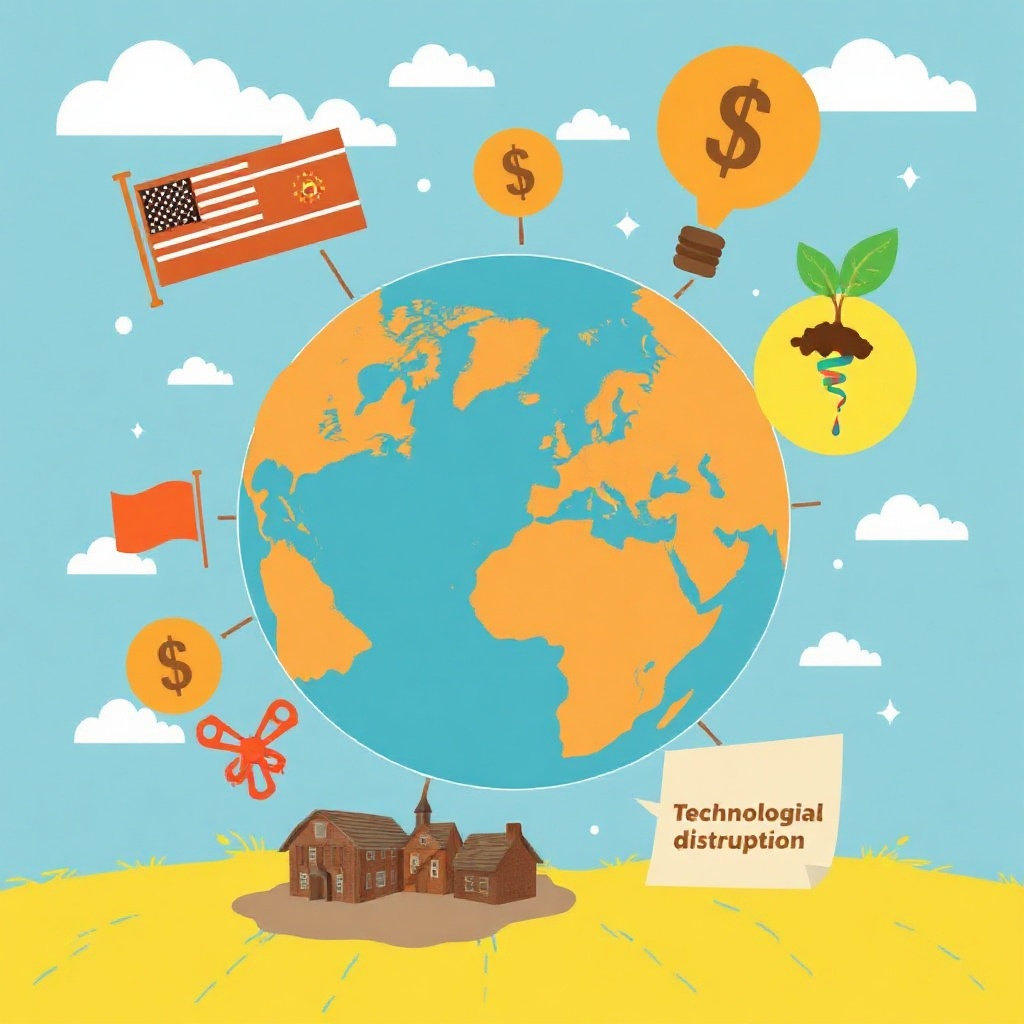
One of the major factors that could disrupt the global economy is the rapid advancement of technology and automation. With the rise of artificial intelligence, machine learning, and robotics, many traditional jobs are at risk of being replaced by machines. This could lead to widespread unemployment and income inequality, posing a significant challenge to the global economy.
Trade Wars and Protectionism
Another key factor that could disrupt the global economy is the increasing trend towards trade wars and protectionism. As countries impose tariffs and trade barriers on each other, global trade is becoming more restricted and uncertain. This can lead to a decrease in international cooperation, higher prices for consumers, and a slowdown in economic growth worldwide.
Climate Change and Natural Disasters
Climate change and natural disasters represent a major threat to the global economy. As extreme weather events become more frequent and severe, they can cause significant damage to infrastructure, agriculture, and supply chains. This can result in economic losses, displacement of populations, and increased pressure on governments to provide relief and recovery efforts.
Financial Instability and Debt Levels
Financial instability and high levels of debt are also potential disruptors of the global economy. In an interconnected financial system, a crisis in one country can quickly spread to others, leading to market volatility and economic downturns. As debt levels continue to rise, especially in developing countries, there is a risk of default and financial contagion on a global scale.
Geopolitical Tensions and Conflicts
Geopolitical tensions and conflicts pose a significant risk to the stability of the global economy. As countries engage in power struggles, territorial disputes, and military conflicts, the risk of disruption to trade, investment, and economic cooperation increases. This can create uncertainty and volatility in financial markets, affecting businesses and investors worldwide.
Pandemics and Health Crises
The outbreak of a pandemic or health crisis can have profound economic consequences on a global scale. As demonstrated by the recent COVID-19 pandemic, such events can disrupt supply chains, travel, and daily economic activities, leading to widespread job losses and economic recession. It is essential for countries to invest in healthcare infrastructure and preparedness to mitigate the impact of future health crises.
In conclusion, the global economy is vulnerable to a wide range of challenges and disruptions that could potentially reshape the economic landscape. By addressing issues such as technological advancements, trade wars, climate change, financial instability, geopolitical tensions, and health crises, stakeholders can work towards building a more resilient and sustainable global economy for the future.