In today’s interconnected world, global events hold immense power to shape and redefine economic forecasts. From political upheavals to natural disasters, these events have the potential to send shockwaves through financial markets, influencing everything from exchange rates to commodity prices. In this analysis, we will delve into the impact of global events on economic forecasts, exploring how unexpected occurrences can disrupt even the most carefully calculated predictions.
The Ripple Effect of Global Events
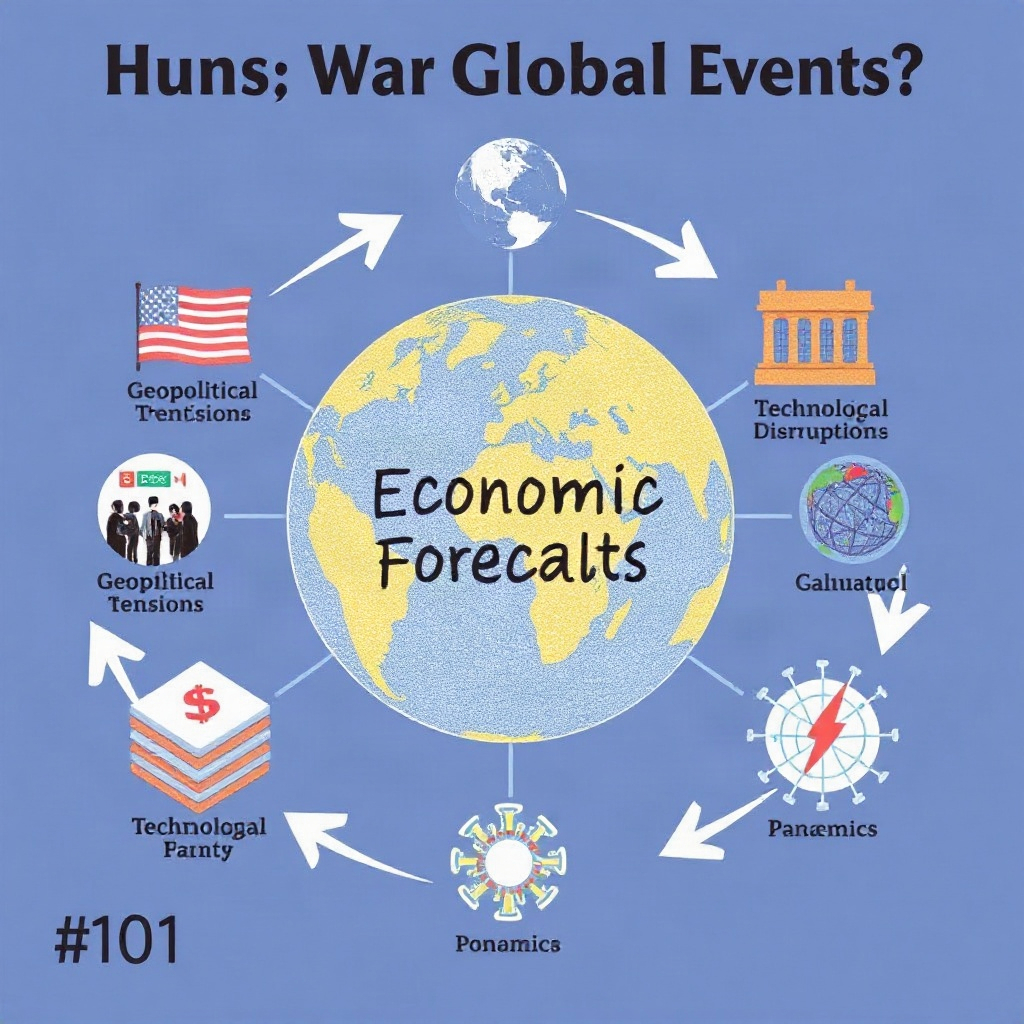
Global events have a ripple effect that extends far beyond their immediate location. A political crisis in one country can trigger uncertainty in global markets, leading to fluctuations in stock prices and currency values. Similarly, a natural disaster in a key economic hub can disrupt supply chains and affect the prices of essential goods. Understanding the interconnected nature of the global economy is crucial for accurately forecasting the impact of such events.
The Role of Geopolitical Tensions
Geopolitical tensions play a significant role in shaping economic forecasts. Trade wars, terrorist attacks, and territorial disputes can all create uncertainty in financial markets, leading to volatility and risk aversion among investors. As tensions escalate, businesses may delay investment decisions, affecting economic growth and employment rates. Analysts must closely monitor geopolitical developments to assess their potential impact on economic forecasts.
Climate Change and Economic Resilience
The increasing frequency and severity of extreme weather events due to climate change pose a significant challenge to economic resilience. Droughts, floods, and hurricanes can devastate agricultural production, leading to food shortages and price spikes. In addition, the costs of rebuilding infrastructure after a natural disaster can strain government budgets and impact long-term economic forecasts. Addressing the effects of climate change is essential for building a more sustainable and resilient economy.
Technology Disruptions and Innovation
Technological disruptions and innovations have the power to transform industries and reshape economic forecasts. The rise of artificial intelligence, blockchain technology, and renewable energy sources are revolutionizing traditional business models and creating new opportunities for growth. As industries adapt to technological changes, forecasts must account for shifts in consumer behavior, market dynamics, and employment patterns. Embracing innovation is key to staying ahead in an increasingly competitive global economy.
Pandemics and Public Health Crises
The outbreak of pandemics and public health crises can have far-reaching consequences for economic forecasts. The COVID-19 pandemic, for example, led to widespread lockdowns, supply chain disruptions, and a sharp decline in economic activity. Governments implemented stimulus measures to support businesses and individuals, but the long-term effects on economic growth and employment remain uncertain. Forecasting the impact of future pandemics requires a thorough understanding of public health dynamics and contingency planning.
Collaborative Solutions for a Resilient Future
As we navigate an increasingly complex and interconnected world, collaborative solutions are essential for building a more resilient future. Governments, businesses, and international organizations must work together to address global challenges such as climate change, geopolitical tensions, and public health crises. By fostering innovation, promoting sustainable practices, and enhancing global cooperation, we can create a more stable and prosperous economic environment for future generations.