**SEO ODAK ANAHTAR KELİME:** Trade Diversification
**Anahtar Kelimeler:** market diversification, international trade, economic growth
Trade diversification plays a crucial role in reducing a country’s over-reliance on a single market. When a country heavily depends on one market for its exports or imports, it becomes vulnerable to economic shocks and disruptions. Diversifying trade partners and markets can help mitigate these risks and foster sustainable economic growth. In this article, we will explore the concept of trade diversification and its framework for reducing reliance on one market.
The Importance of Trade Diversification
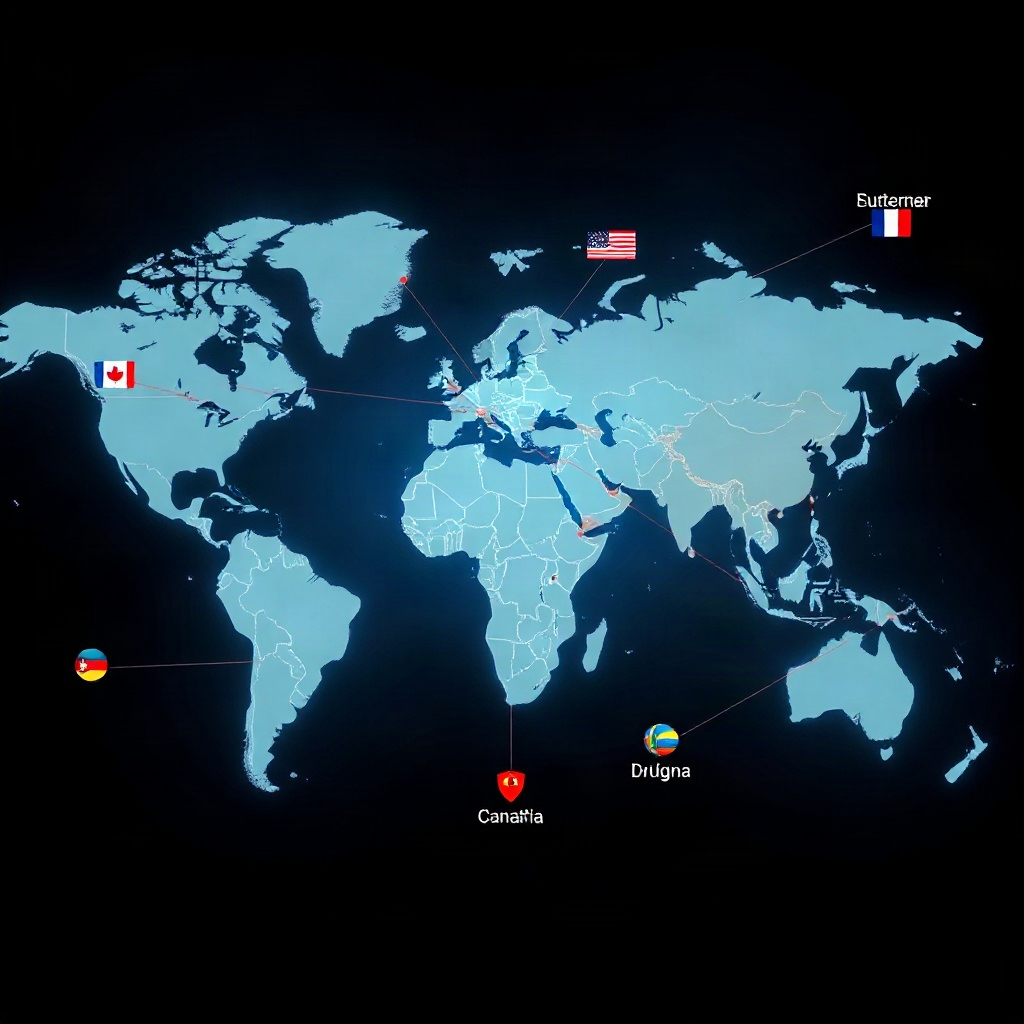
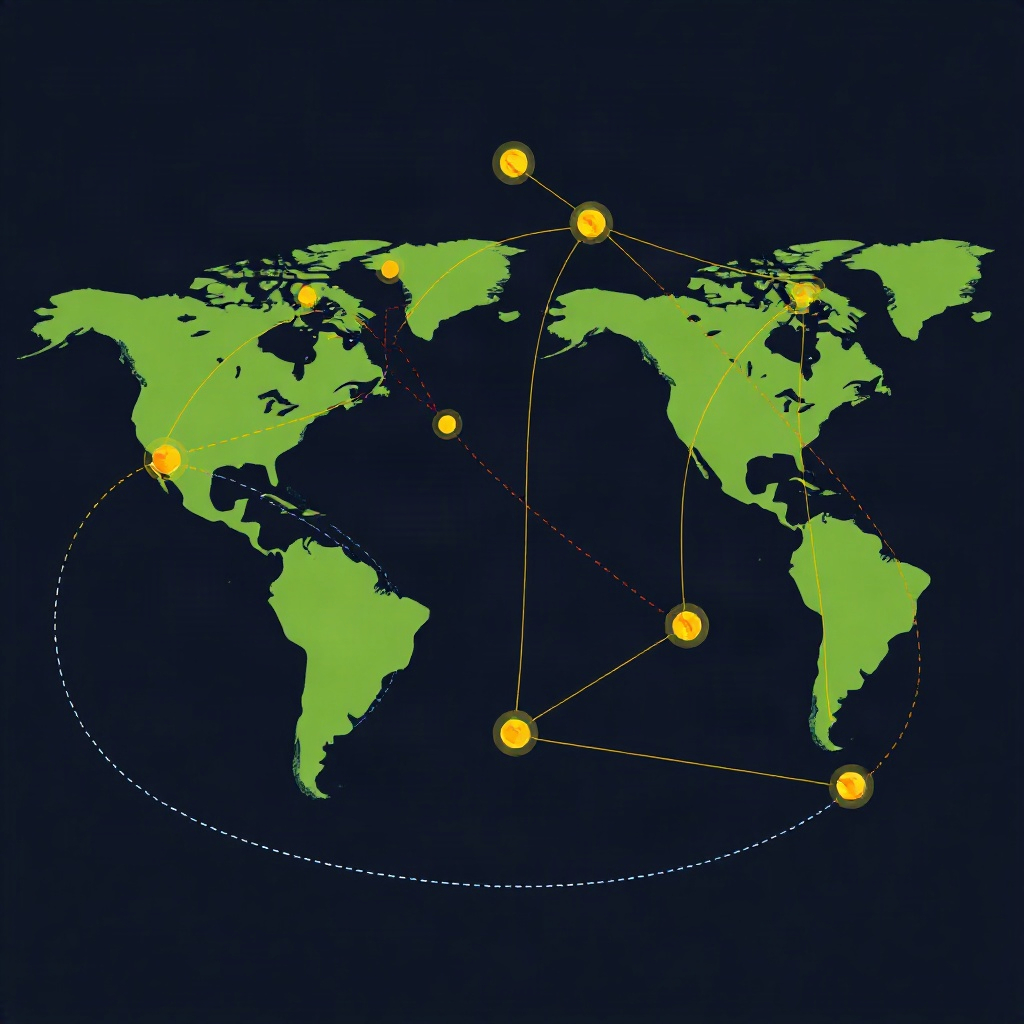
Trade diversification is essential for enhancing a country’s economic resilience and competitiveness in the global market. By expanding their trade networks and engaging with a diverse range of partners, countries can reduce their vulnerability to market fluctuations and geopolitical risks. Diversifying exports and imports also allows nations to capitalize on new opportunities, access new technologies, and foster innovation. In today’s interconnected world, trade diversification is a strategic imperative for sustainable development.
Strategies for Trade Diversification
There are several strategies that countries can employ to diversify their trade and reduce reliance on a single market. One approach is to identify new export markets and target industries with high growth potential. Governments can also negotiate trade agreements with multiple partners to expand market access and facilitate trade flows. Additionally, investing in trade promotion activities, infrastructure development, and skills training can help enhance a country’s export competitiveness and diversification efforts. By adopting a proactive and strategic approach to trade diversification, countries can unlock new opportunities for economic growth and development.
The Role of Technology in Trade Diversification
Technology plays a pivotal role in facilitating trade diversification and expanding market access for businesses. E-commerce platforms, digital trade portals, and online marketplaces enable companies to reach customers in new markets and streamline cross-border transactions. Blockchain technology and digital payment systems offer secure and efficient solutions for managing international trade operations. By harnessing the power of technology, businesses can overcome trade barriers, reduce transaction costs, and enhance their competitiveness in the global market. Embracing digital innovation is key to achieving successful trade diversification strategies.
Overcoming Challenges in Trade Diversification
While trade diversification offers numerous benefits, it also presents challenges that must be addressed. Market volatility, regulatory barriers, and trade conflicts can hinder diversification efforts and disrupt trade flows. Lack of market information, inadequate infrastructure, and insufficient trade finance can also impede a country’s ability to diversify its trade. Governments, businesses, and other stakeholders must collaborate to overcome these challenges and create an enabling environment for trade diversification. By addressing these obstacles and implementing targeted policies, countries can unlock the full potential of trade diversification for sustainable economic growth.
Conclusion
Trade diversification is a strategic imperative for reducing reliance on one market and promoting economic resilience. By expanding trade networks, identifying new market opportunities, and leveraging technology, countries can enhance their competitiveness and unlock new pathways for growth. Governments, businesses, and other stakeholders must work together to overcome challenges and create a conducive environment for trade diversification. Through strategic planning, investment in infrastructure, and capacity-building initiatives, nations can harness the power of trade diversification to drive sustainable economic development.