The global economy is a complex web of interconnected factors that constantly influence one another. Among the many indicators that economists and investors closely monitor, the price of gold stands out as a particularly intriguing barometer. In times of economic uncertainty, gold prices often experience a significant rise. But why is this the case? What makes gold such a sought-after asset during turbulent financial periods? In this article, we will delve into the reasons behind the phenomenon of rising gold prices during economic uncertainty.
The Historical Significance of Gold
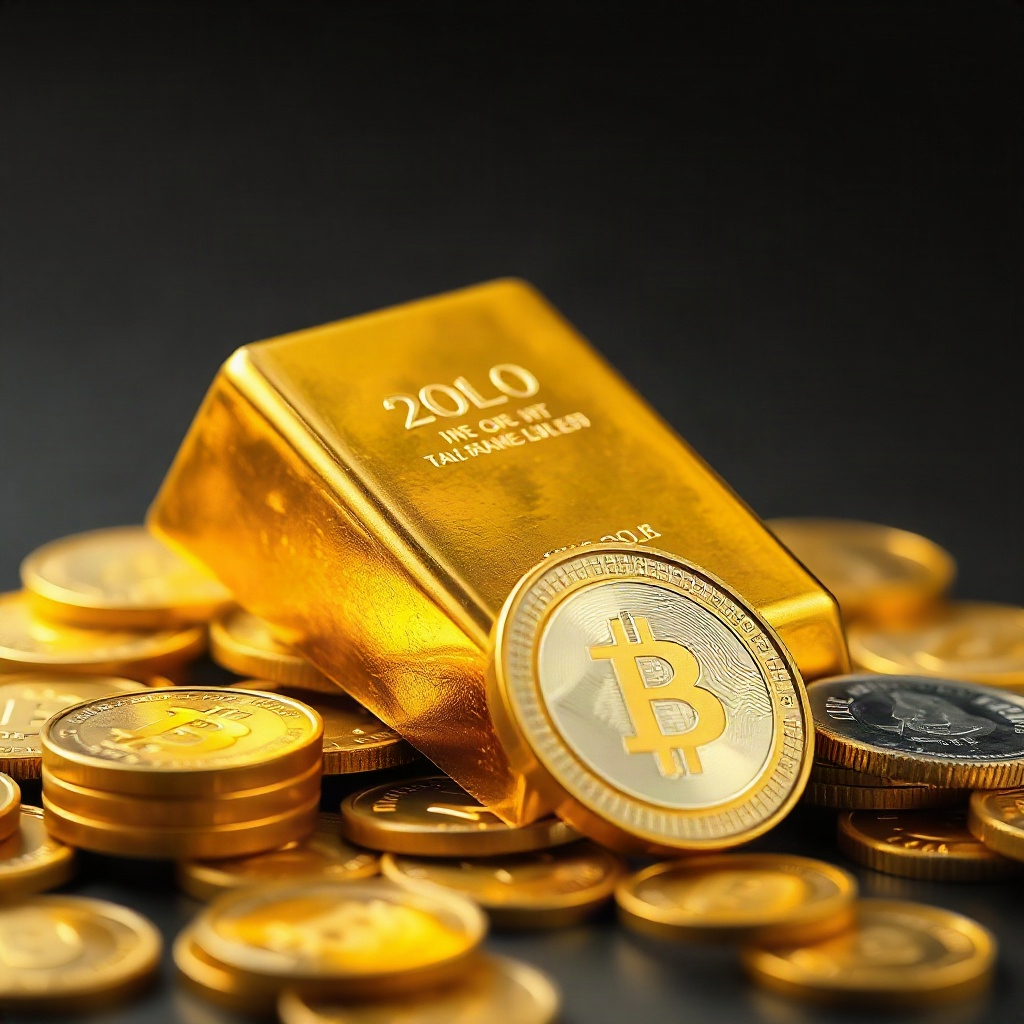
Gold has been a symbol of wealth and value for centuries, dating back to ancient civilizations. Its rarity, durability, and unique properties have made it a coveted metal throughout history. The allure of gold transcends borders and cultures, making it a universal symbol of prosperity and security.
Gold as a Safe-Haven Asset
One of the primary reasons for the rise in gold prices during economic uncertainty is its status as a safe-haven asset. When investors are concerned about the stability of traditional financial markets, they often turn to gold as a reliable store of value. Unlike currencies or stocks, which can be volatile and susceptible to market fluctuations, gold is seen as a stable and secure investment.
The Role of Inflation and Deflation
In times of economic uncertainty, central banks may implement monetary policies that lead to either inflation or deflation. Inflation erodes the value of fiat currencies, making gold an attractive hedge against rising prices. On the other hand, deflation can increase the real value of gold, as it maintains its purchasing power even as other assets lose value.
Geopolitical Tensions and Gold Prices
Geopolitical tensions can have a significant impact on financial markets and investor sentiment. When geopolitical risks rise, investors often flock to safe-haven assets like gold to protect their portfolios from potential disruptions. The uncertainty created by geopolitical conflicts can lead to increased demand for gold, driving up its price.
Demand from Emerging Markets
The growth of emerging markets has also contributed to the rise in gold prices during economic uncertainty. Countries with expanding economies and rising wealth levels have increased their demand for gold as a symbol of status and a store of value. This growing demand from emerging markets has put upward pressure on gold prices, especially during periods of economic instability.
The Psychological Factor
Finally, the psychological factor plays a crucial role in the rise of gold prices during economic uncertainty. As investors become increasingly risk-averse and fearful of market downturns, they seek the safety and stability that gold provides. The emotional appeal of gold as a timeless asset that retains its value in times of crisis can drive up demand and push prices higher.
In conclusion, the rise in gold prices during economic uncertainty can be attributed to a combination of factors, including its historical significance, status as a safe-haven asset, response to inflation and deflation, geopolitical tensions, demand from emerging markets, and psychological appeal. As long as economic uncertainties persist, gold is likely to continue to shine as a valuable asset for investors seeking stability and security in turbulent times.