Economic data plays a vital role in moving financial markets around the world. From employment numbers to GDP growth rates, investors and traders closely monitor these indicators to make informed decisions about their investments. In this article, we will explore why economic data can have such a significant impact on markets and how it influences the behavior of market participants.
The Significance of Economic Data
Economic data provides valuable insights into the health of an economy and helps analysts and investors gauge the overall economic performance. Indicators such as employment figures, inflation rates, and consumer spending patterns offer a snapshot of the current economic conditions and help forecast future trends. As such, economic data acts as a barometer for the state of the economy and influences market sentiment.
Market Reactions to Economic Data Releases
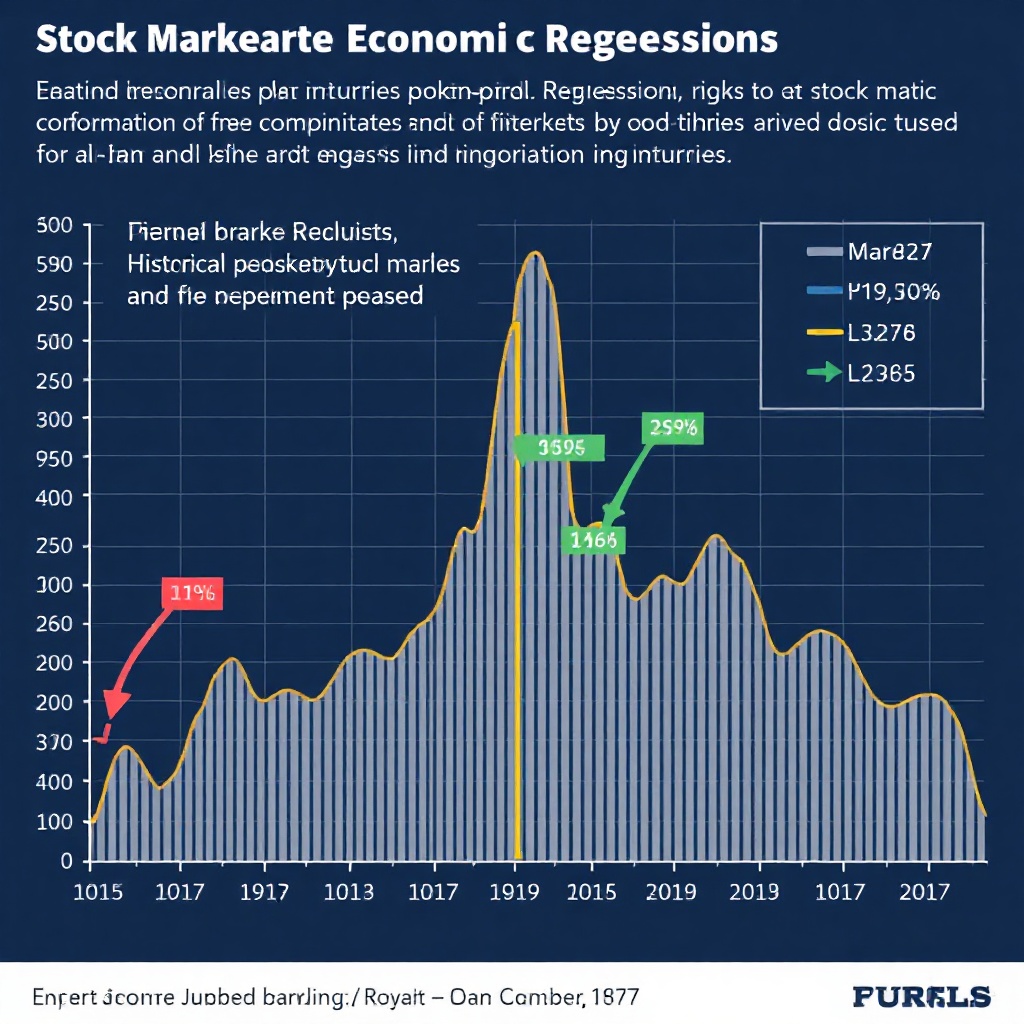
When key economic data is released, financial markets often experience significant volatility as investors react to the new information. Positive data, such as strong job growth or robust GDP numbers, can lead to an increase in stock prices and bond yields, as it signals a healthy and growing economy. Conversely, negative data, such as rising unemployment or declining consumer confidence, can trigger sell-offs in the stock market and drive investors towards safer assets like gold or government bonds.
The Role of Central Banks
Central banks closely monitor economic data to make informed decisions about monetary policy. Interest rate decisions, quantitative easing programs, and other monetary policy tools are often influenced by the latest economic data releases. For example, if inflation is rising above the central bank’s target, it may decide to raise interest rates to curb inflationary pressures. These policy decisions can have a profound impact on financial markets and shape investor expectations.
Market Expectations and Economic Data
Market participants often form expectations about future economic data releases based on various factors such as analyst forecasts, historical trends, and central bank guidance. When actual data deviates from these expectations, it can lead to sharp market reactions as investors adjust their positions accordingly. This phenomenon, known as the “surprise factor,” underscores the importance of staying informed about economic data releases and understanding their potential impact on markets.
Trading Strategies Based on Economic Data
Some traders specialize in trading economic data releases, employing strategies like straddle trades or news trading to capitalize on market volatility. These traders analyze the potential impact of upcoming data releases on asset prices and place their trades accordingly. While trading economic data can be lucrative, it also carries significant risks due to the unpredictable nature of market reactions to new information.
Conclusion
In conclusion, economic data plays a crucial role in driving market movements and shaping investor sentiment. By understanding the significance of key economic indicators and their impact on financial markets, investors can make better-informed decisions and navigate the complexities of the global economy. Staying informed about upcoming data releases and monitoring market reactions can help investors stay ahead of the curve and position themselves for success in the dynamic world of finance.