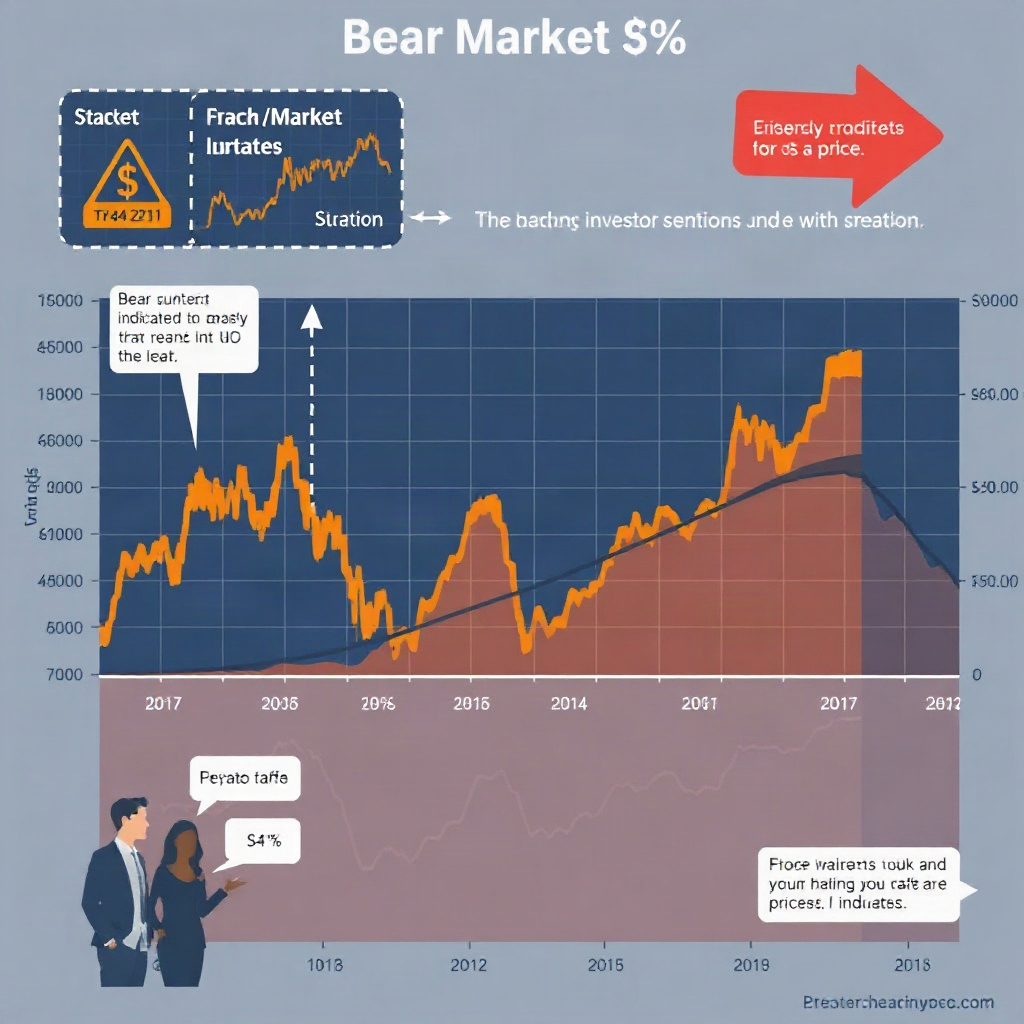
Market crashes are sudden and significant drops in the value of financial assets, leading to widespread panic and economic turmoil. Understanding the causes behind these events is crucial for investors, policymakers, and economists alike. In this article, we will explore the various factors that can trigger market crashes and their implications on the global economy.
The Role of Speculation in Market Crashes
Speculation plays a significant role in driving market volatility and potential crashes. When investors engage in speculative behavior, they often ignore fundamental economic factors and instead focus on short-term gains. This excessive speculation can lead to asset bubbles that eventually burst, triggering a market crash.
Impact of Economic Indicators on Market Stability
Economic indicators such as GDP growth, inflation rates, and unemployment levels can have a profound impact on market stability. Sudden changes in these indicators can create uncertainty among investors, leading to a sell-off of assets and a subsequent market crash. Understanding the relationship between economic indicators and market behavior is essential for predicting and preventing future crashes.
Influence of Government Policies on Market Crashes
Government policies, including monetary and fiscal measures, can also influence market crashes. For example, central banks’ decisions to raise or lower interest rates can have a significant impact on investor behavior and market dynamics. Additionally, government regulations and interventions in the financial markets can either prevent or exacerbate market crashes.
Psychological Factors Driving Investor Behavior
Psychological factors, such as fear, greed, and herd mentality, can play a significant role in driving investor behavior during market crashes. When investors panic and sell their assets en masse, it can create a self-reinforcing cycle of selling and further market decline. Understanding the psychological aspects of market behavior is crucial for managing the impact of market crashes.
Technological Advances and Market Crash Risk
The increasing reliance on technology and algorithmic trading has introduced new risks to financial markets. High-frequency trading and automated trading systems can amplify market volatility and lead to sudden, sharp price fluctuations. As technology continues to evolve, regulators and market participants must adapt to mitigate the risks of technological advancements on market stability.
Global Interconnectedness and Market Crash Contagion
The interconnected nature of the global economy means that a market crash in one country or asset class can quickly spread to other markets. This contagion effect can exacerbate the impact of a market crash and create systemic risks for the entire financial system. Understanding the interconnectedness of global markets is crucial for managing the risk of market crashes.