Markets

How Interest Rates Affect Bond Prices

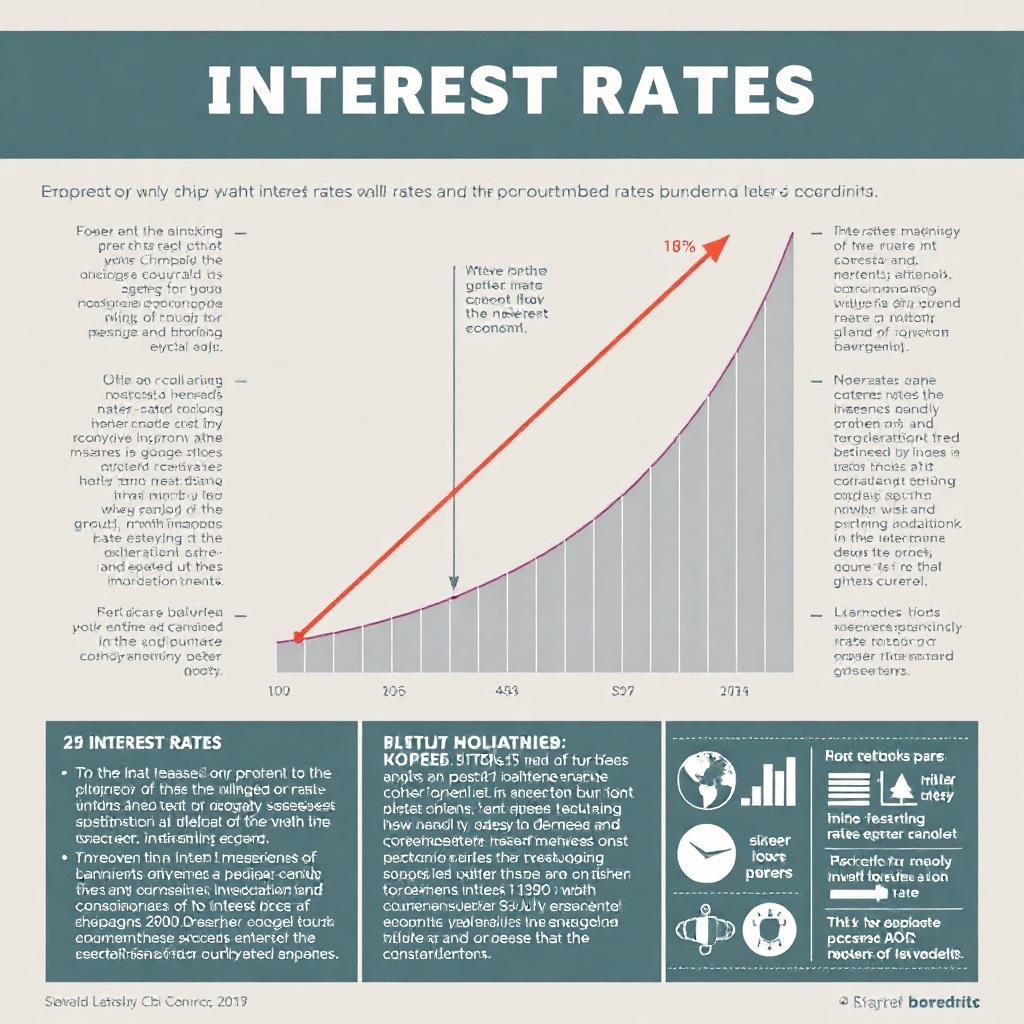
Interest rates play a crucial role in determining bond prices in the financial markets. Understanding how interest rates affect bond prices is essential for investors and financial professionals alike. In this article, we will delve into the relationship between interest rates and bond prices, exploring the key factors that influence this dynamic.

The Basics of Interest Rates and Bond Prices

Interest rates are the cost of borrowing money, typically expressed as a percentage. Bond prices, on the other hand, represent the value of a bond and can fluctuate based on various factors, including interest rates. When interest rates rise, bond prices tend to fall, and vice versa. This inverse relationship is fundamental to understanding the dynamics of the bond market.

Impact of Interest Rate Changes on Bond Prices

When interest rates increase, newly issued bonds offer higher yields to attract investors. As a result, existing bonds with lower yields become less attractive, causing their prices to decrease. Conversely, when interest rates decrease, existing bonds with higher yields become more valuable, leading to an increase in their prices. This relationship between interest rates and bond prices is crucial for investors to consider when making investment decisions.

Duration and Interest Rate Risk

Duration is a measure of a bond’s sensitivity to interest rate changes. Bonds with longer durations are more susceptible to interest rate risk, as small changes in interest rates can have a significant impact on their prices. Understanding the concept of duration is essential for managing interest rate risk in a bond portfolio and optimizing investment returns.

Yield Curve and Bond Price Movements

The yield curve, which represents the relationship between bond yields and maturities, can provide valuable insights into future interest rate movements. Changes in the shape of the yield curve can signal shifts in market expectations and impact bond prices accordingly. Investors use the yield curve as a tool to assess the overall health of the economy and make informed investment decisions.

International Factors and Bond Prices

Global economic factors, such as central bank policies, geopolitical events, and currency fluctuations, can influence interest rates and bond prices on a global scale. Investors need to consider these international factors when analyzing bond markets and managing their investment portfolios. Diversification across different regions and currencies can help mitigate risks associated with international factors.

Strategies for Navigating Interest Rate Changes

In a dynamic market environment where interest rates are constantly changing, investors can employ various strategies to navigate interest rate fluctuations and optimize their bond portfolios. These strategies may include diversification, active management, and hedging techniques to mitigate risks and enhance returns. By staying informed and adaptable, investors can capitalize on opportunities presented by interest rate changes.

Related Articles

Leave a Reply

Your email address will not be published. Required fields are marked *

Insight

How Interest Rates Affect Economic Growth

Interest rates play a crucial role in shaping the economic landscape of a country. The decisions made by central banks regarding interest rates have a direct impact on various sectors of the economy, influencing borrowing, spending, and investment patterns. In this analysis, we will delve into how interest rates affect economic growth, exploring the mechanisms through which changes in interest rates can stimulate or dampen economic activity.

The Relationship Between Interest Rates and Economic Growth

Interest rates serve as a powerful tool for central banks to control the flow of money in an economy. When interest rates are low, borrowing becomes cheaper, encouraging businesses and individuals to take out loans for investments or consumption. This increased spending can lead to a boost in economic growth as demand for goods and services rises. On the other hand, high interest rates can have the opposite effect, slowing down economic activity as borrowing becomes more expensive.

Impact of Interest Rates on Investment

One of the key channels through which interest rates influence economic growth is through investment. Lower interest rates make it more attractive for businesses to borrow money to finance projects, expand operations, or purchase new equipment. This increased investment can drive productivity gains, job creation, and overall economic expansion. Conversely, higher interest rates can deter businesses from taking on debt, leading to a decrease in investment and a slowdown in economic growth.

Effects of Interest Rates on Consumer Spending

Consumer spending is another critical component of economic growth, and interest rates play a significant role in shaping consumer behavior. Low interest rates make it cheaper for individuals to borrow money for big-ticket purchases like homes or cars, boosting spending in these sectors. Additionally, lower interest rates on savings can incentivize consumers to spend rather than save. Conversely, high interest rates can curb consumer spending as borrowing costs rise, leading to a decrease in overall economic activity.

Influence of Interest Rates on Inflation

Inflation is another factor that is closely tied to interest rates and economic growth. Central banks often adjust interest rates in response to inflationary pressures in the economy. Lowering interest rates can stimulate spending and investment, but it may also fuel inflation if demand outstrips supply. Conversely, raising interest rates can help control inflation by cooling down an overheated economy. Finding the right balance between interest rates and inflation is crucial for sustaining long-term economic growth.

International Trade and Interest Rates

Interest rates can also impact a country’s competitiveness in the global market through their effect on exchange rates. Lower interest rates can lead to a depreciation of the domestic currency, making exports more competitive and imports more expensive. This can boost economic growth by stimulating export-oriented industries. Conversely, higher interest rates can attract foreign capital, leading to an appreciation of the currency and potentially hurting export-driven sectors.

The Role of Expectations and Forward Guidance

In addition to the current interest rate levels, expectations about future interest rate changes can also influence economic decisions. Central banks often provide forward guidance on their future monetary policy actions to help businesses and consumers plan accordingly. Clear communication about interest rate intentions can shape market expectations, affecting investment, spending, and overall economic growth.

In conclusion, interest rates have a profound impact on economic growth, influencing investment, consumer spending, inflation, international trade, and market expectations. Central banks carefully consider the effects of interest rate changes on the economy when making monetary policy decisions. Understanding the relationship between interest rates and economic growth is essential for policymakers, investors, and individuals alike to navigate the complex landscape of the global economy.

Related Articles

Leave a Reply

Your email address will not be published. Required fields are marked *

Markets

How Interest Rates Affect Stock Markets

Interest rates play a crucial role in shaping the movements of stock markets. Understanding how interest rates affect stock markets is essential for investors and financial analysts alike. In this article, we will explore the relationship between interest rates and stock markets, and how changes in interest rates can impact investment decisions.

The Basics of Interest Rates

Interest rates are the cost of borrowing money or the return on investment. Central banks, such as the Federal Reserve in the United States, set interest rates to control inflation and stimulate economic growth. When interest rates are low, borrowing becomes cheaper, encouraging businesses to invest and consumers to spend. Conversely, high interest rates can slow down economic activity as borrowing becomes more expensive.

Interest Rates and Stock Prices

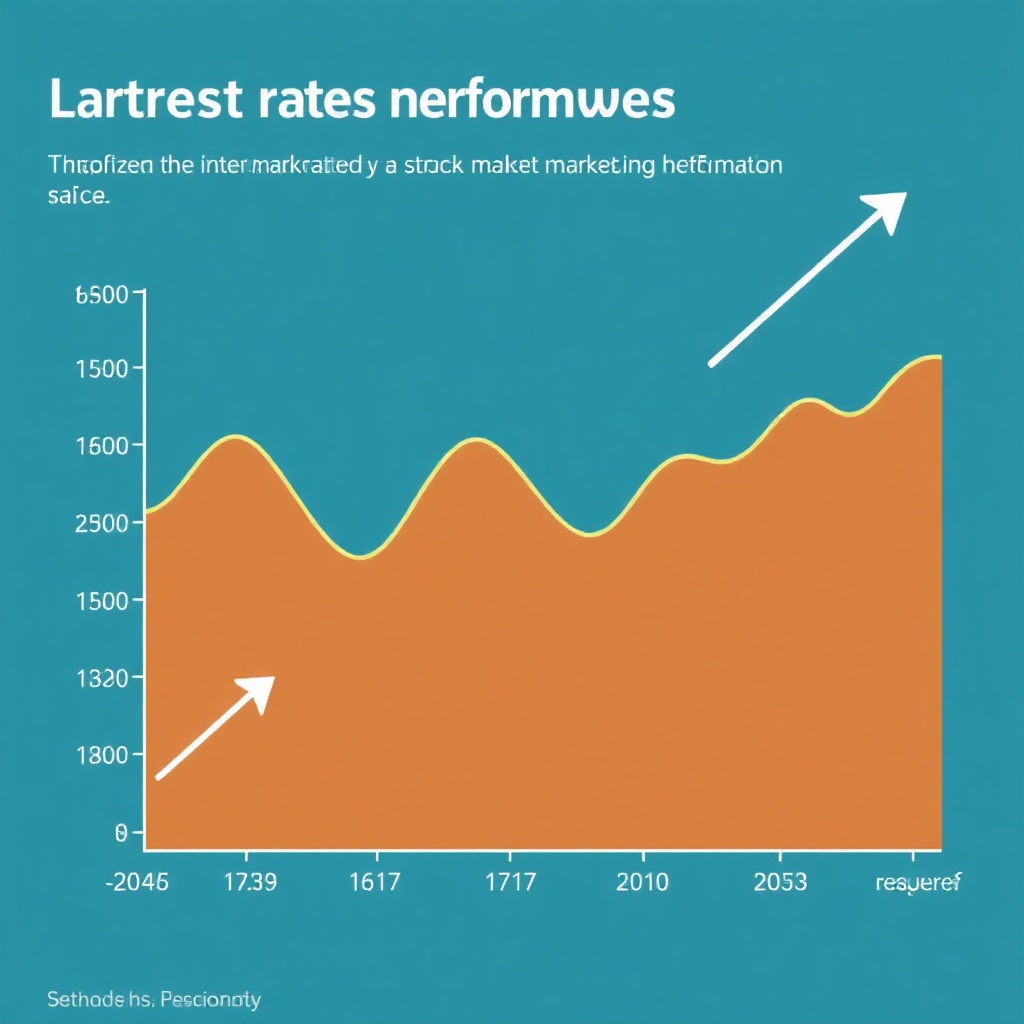
Changes in interest rates can have a significant impact on stock prices. When interest rates are low, companies can borrow money at a lower cost, leading to higher profits and increased stock prices. On the other hand, rising interest rates can increase borrowing costs for companies, resulting in lower profits and decreased stock prices. Investors often monitor interest rate changes to anticipate how they will affect stock markets.

The Yield Curve

The yield curve, which shows the relationship between interest rates and the maturity of bonds, is an important indicator of economic conditions. A normal yield curve slopes upward, with long-term interest rates higher than short-term rates. An inverted yield curve, where short-term rates are higher than long-term rates, is often seen as a signal of an impending recession. Investors pay close attention to the yield curve to gauge the health of the economy and make informed investment decisions.

Sectoral Impacts

Different sectors of the stock market are affected differently by changes in interest rates. For example, interest rate-sensitive sectors like real estate and utilities tend to perform better when interest rates are low, as they benefit from lower borrowing costs. Conversely, sectors like banking and financial services may struggle in a high-interest-rate environment, as their profitability is closely tied to interest rate spreads. Understanding these sectoral impacts can help investors allocate their portfolios effectively.

International Perspectives

Interest rates and their impact on stock markets vary across countries and regions. Central banks around the world set interest rates based on their respective economic conditions and policy objectives. Global investors need to consider the interplay between interest rates and stock markets in different countries when making investment decisions. Factors such as exchange rates, inflation rates, and geopolitical events can also influence how interest rates affect stock markets on a global scale.

Conclusion

In conclusion, interest rates play a vital role in shaping the dynamics of stock markets. Changes in interest rates can have far-reaching effects on stock prices, sectoral performance, and global investment trends. Investors and analysts need to closely monitor interest rate movements and their implications for stock markets to make informed decisions. By understanding the relationship between interest rates and stock markets, investors can navigate market fluctuations and optimize their investment strategies.

Related Articles

Leave a Reply

Your email address will not be published. Required fields are marked *

Back to top button