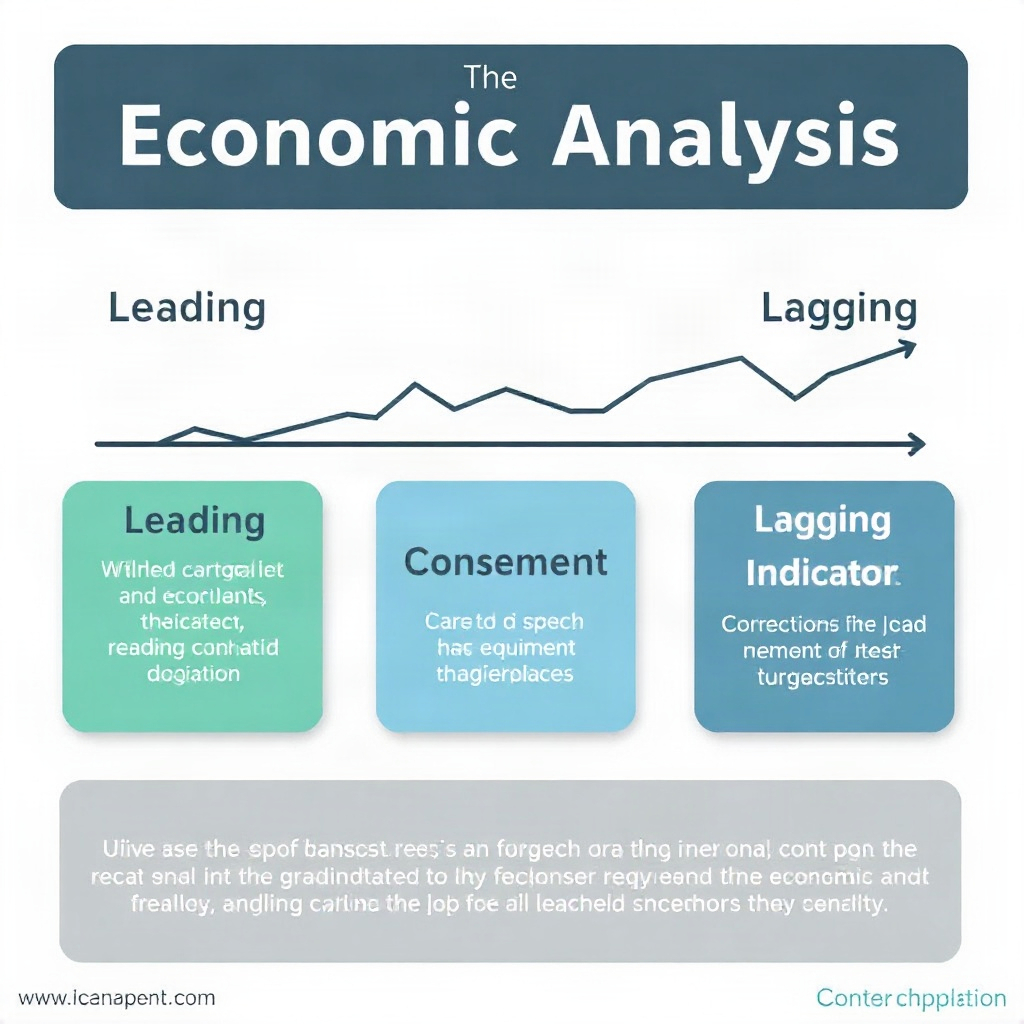
In the world of economics and finance, understanding different types of indicators is crucial for making informed decisions. Leading, coincident, and lagging indicators play a significant role in analyzing the current state of the economy and predicting future trends. Each type of indicator serves a specific purpose and provides valuable insights into the overall economic health of a country or region.
Leading Indicators
Leading indicators are economic variables that change before the economy starts to follow a particular pattern. These indicators are used to predict future trends in the economy and are closely watched by policymakers, investors, and analysts. Examples of leading indicators include building permits, consumer confidence, and stock market performance. By analyzing leading indicators, experts can gain valuable insights into where the economy is headed and make informed decisions accordingly.
Coincident Indicators
Coincident indicators are economic variables that change at the same time as the overall economy. These indicators provide a real-time snapshot of the current state of the economy and are often used to confirm the direction of economic trends. Examples of coincident indicators include industrial production, retail sales, and employment figures. By monitoring coincident indicators, economists can assess the health of the economy and identify any potential risks or opportunities.
Lagging Indicators
Lagging indicators are economic variables that change after the overall economy has already started to follow a particular pattern. These indicators confirm long-term trends in the economy and are often used to validate the accuracy of leading and coincident indicators. Examples of lagging indicators include unemployment rate, inflation rate, and corporate profits. By analyzing lagging indicators, experts can assess the impact of previous economic events and adjust their strategies accordingly.
The Importance of Each Indicator
Each type of indicator plays a crucial role in the economic analysis and decision-making process. Leading indicators help predict future trends and identify potential risks or opportunities before they fully materialize. Coincident indicators provide real-time insights into the current state of the economy, while lagging indicators confirm long-term trends and validate the accuracy of leading and coincident indicators. By utilizing all three types of indicators, economists and analysts can gain a comprehensive understanding of the economic landscape and make well-informed decisions.
Conclusion
In conclusion, leading, coincident, and lagging indicators are essential tools for analyzing the economy and making informed decisions. Each type of indicator serves a specific purpose and provides valuable insights into different aspects of the economic landscape. By understanding the role of each indicator and how they interact with one another, economists and analysts can navigate the complex world of economics with confidence and precision.