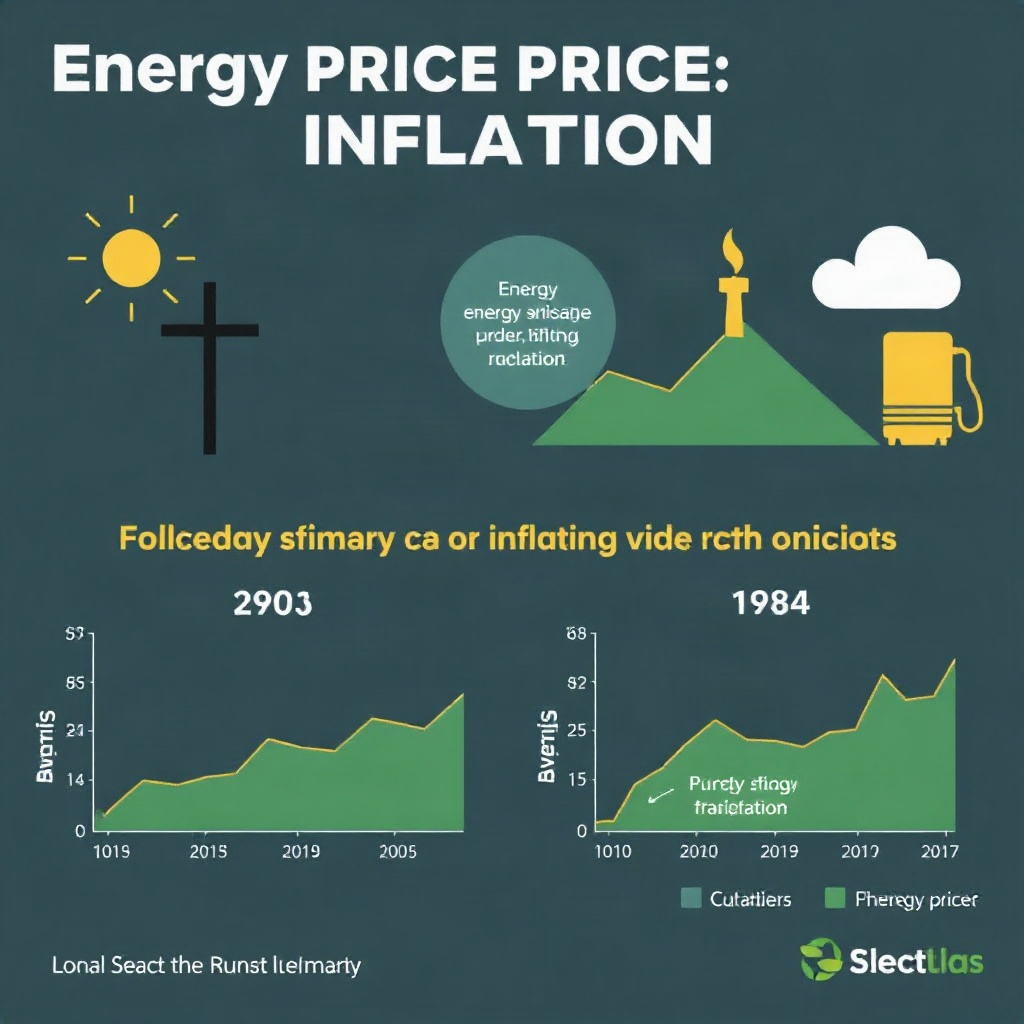
Energy prices play a crucial role in shaping the overall economic landscape, particularly when it comes to inflation. Inflation, the rate at which the general level of prices for goods and services is rising, can be significantly influenced by fluctuations in energy prices. Understanding the intricate relationship between energy prices and inflation is essential for policymakers, economists, and the general public alike.
The Link Between Energy Prices and Inflation
Energy prices, including those of oil, gas, and electricity, have a direct impact on the cost of production for many industries. When energy prices rise, the production costs increase, leading to higher prices for goods and services. This phenomenon can contribute to inflationary pressures in the economy, as businesses pass on the increased costs to consumers.
Energy Price Shocks and Inflation
Energy price shocks, such as sudden spikes or drops in energy prices, can have a significant impact on inflation. For example, a sudden increase in oil prices due to geopolitical tensions can lead to higher transportation costs, which can then ripple through the economy and result in higher prices for a wide range of goods. On the other hand, a sudden drop in energy prices can have a deflationary effect, as businesses may lower prices to remain competitive.
Global Energy Markets and Inflation
The global nature of energy markets means that energy price movements in one part of the world can have far-reaching effects on inflation in other regions. Changes in energy prices can impact the cost of imported goods and raw materials, affecting the overall price level in a country. As a result, policymakers need to closely monitor global energy markets to anticipate potential inflationary or deflationary pressures.
Energy Efficiency and Inflation
Improving energy efficiency can help mitigate the impact of energy price fluctuations on inflation. By reducing energy consumption and increasing productivity, businesses can lower their production costs and potentially decrease the prices of goods and services. Investing in energy-efficient technologies and practices is not only beneficial for the environment but can also help stabilize inflation rates.
Monetary Policy Response to Energy Price Movements
Central banks often take energy prices into account when formulating monetary policy. In response to significant energy price movements, central banks may adjust interest rates to control inflation. For example, if energy prices are rising rapidly, a central bank may raise interest rates to curb inflationary pressures. Conversely, if energy prices are falling, a central bank may consider lowering interest rates to stimulate economic activity.
Future Outlook Navigating Energy Price Volatility
As energy markets continue to evolve and become increasingly interconnected, navigating energy price volatility will remain a key challenge for policymakers and businesses. Developing strategies to adapt to energy price fluctuations and their impact on inflation will be crucial for maintaining economic stability and growth in the long term.