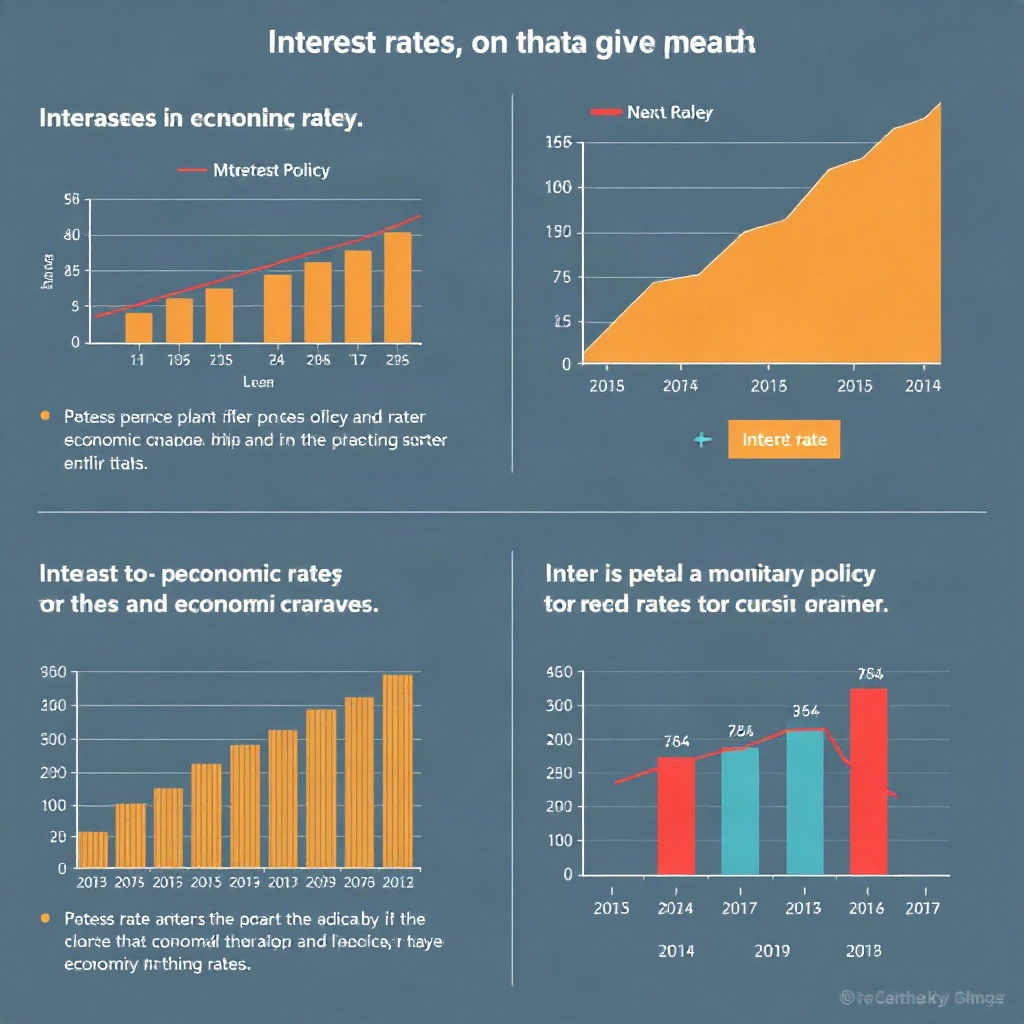
Monetary policy plays a crucial role in shaping the economic landscape of a country. It is a powerful tool wielded by central banks to influence the economy’s overall performance. In this article, we will delve into the intricacies of monetary policy, exploring what it is and how it works.
The Role of Central Banks
Central banks are the primary entities responsible for formulating and implementing monetary policy. They are tasked with maintaining price stability, promoting economic growth, and ensuring full employment. Through various tools and mechanisms, central banks aim to achieve these objectives while also safeguarding the financial system’s stability.
Tools of Monetary Policy
Central banks have a range of tools at their disposal to influence the money supply and interest rates. These tools include open market operations, reserve requirements, and discount rates. By adjusting these tools, central banks can control the amount of money circulating in the economy and influence borrowing and spending behavior.
Impact on Interest Rates
One of the key ways in which monetary policy works is through its impact on interest rates. Central banks use interest rates as a lever to stimulate or cool down economic activity. By raising or lowering interest rates, central banks can influence borrowing costs, investment decisions, and overall economic growth.
Inflation Targeting
Many central banks around the world operate under an inflation-targeting framework. Inflation targeting involves setting a specific inflation target, such as 2%, and adjusting monetary policy to achieve that target. By keeping inflation in check, central banks aim to ensure price stability and support sustainable economic growth.
Exchange Rate Considerations
Monetary policy also plays a role in shaping exchange rates. Central banks may intervene in foreign exchange markets to influence the value of their currency. By managing exchange rates, central banks can support exports, control import prices, and maintain external balance.
Challenges and Limitations
While monetary policy is a powerful tool, it is not without its challenges and limitations. Central banks must navigate complex economic dynamics, including changing global conditions and financial market volatility. Additionally, there are limits to how much central banks can achieve through monetary policy alone, especially in the face of structural economic issues.
In conclusion, monetary policy is a cornerstone of economic management, with central banks playing a pivotal role in shaping economic outcomes. By understanding the tools, mechanisms, and objectives of monetary policy, we can gain insights into how economies are managed and influenced.