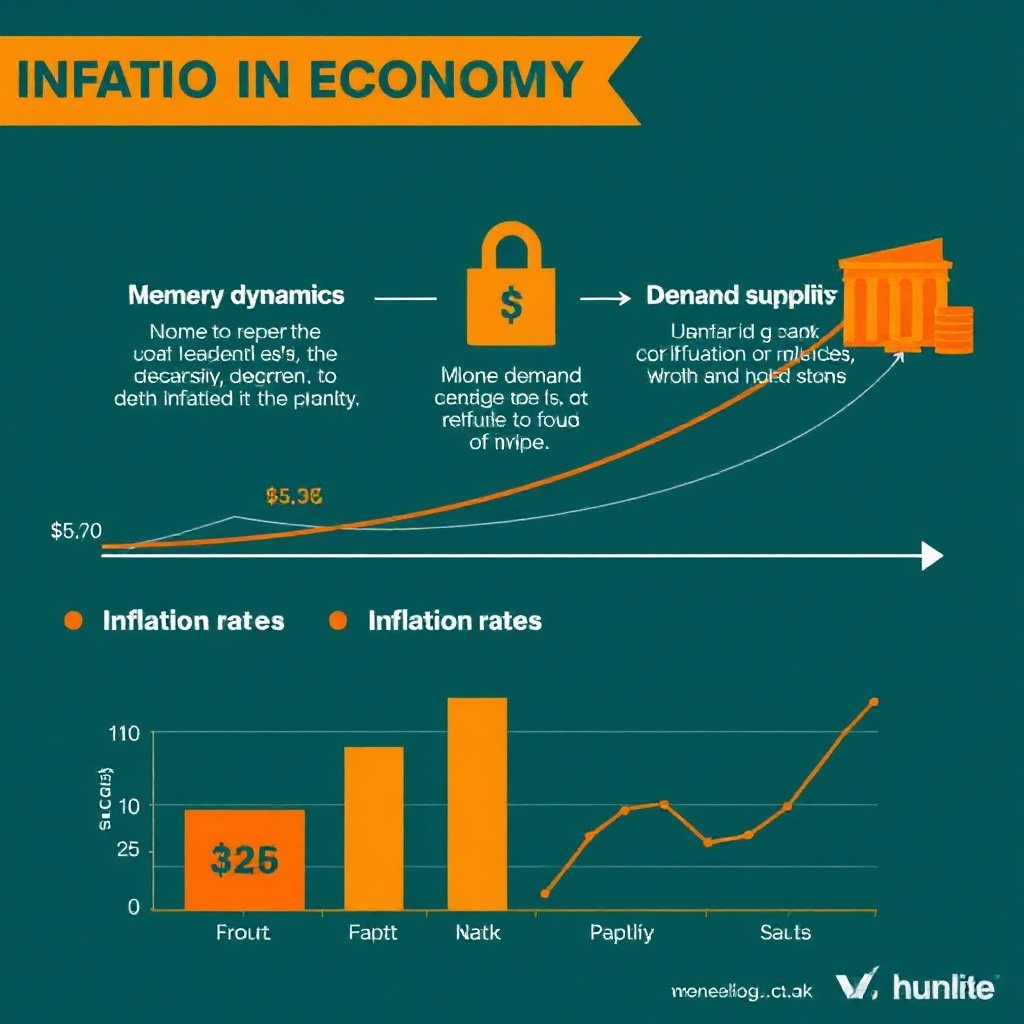
Inflation is a crucial economic indicator that affects the purchasing power of consumers and the overall health of an economy. Understanding the factors that cause inflation to rise is essential for policymakers, economists, and individuals alike. In this analysis, we will delve into the main drivers behind the increase in inflation rates.
Money Supply and Demand Dynamics
One of the primary factors contributing to rising inflation is the relationship between the money supply and demand in an economy. When the central bank increases the money supply through monetary policy measures such as quantitative easing, it can lead to an excess of money in circulation. This excess liquidity can fuel demand for goods and services, pushing prices higher and causing inflation to rise.
Cost-Push Inflation
Cost-push inflation occurs when the cost of production inputs, such as raw materials or labor, increases significantly. This can be due to factors such as supply chain disruptions, rising commodity prices, or wage hikes. As businesses pass on these increased costs to consumers in the form of higher prices, inflationary pressures build up, leading to a rise in overall inflation rates.
Demand-Pull Inflation
On the other hand, demand-pull inflation results from strong consumer demand outpacing the economy’s ability to supply goods and services. When demand exceeds supply, businesses may raise prices to balance the two, driving inflation upwards. Factors such as robust consumer spending, low unemployment rates, and fiscal stimulus measures can all contribute to demand-pull inflation.
Exchange Rate Fluctuations
Fluctuations in exchange rates can also impact inflation rates, especially in economies that rely heavily on imports. A depreciation in the local currency can make imported goods more expensive, leading to higher prices for consumers. This phenomenon, known as imported inflation, can contribute to an overall increase in inflation levels.
Inflation Expectations and Wage-Price Spiral
Inflation expectations play a crucial role in shaping actual inflation outcomes. If businesses and consumers anticipate higher future inflation, they may adjust their pricing and wage demands accordingly. This can create a self-reinforcing cycle known as the wage-price spiral, where rising wages lead to higher costs for businesses, which are then passed on to consumers through increased prices, further fueling inflation.
Government Policies and Inflation
Government policies, such as tax changes, subsidies, and regulations, can also influence inflation levels. For example, expansionary fiscal policies that increase government spending can boost aggregate demand and potentially lead to higher inflation. Similarly, changes in tax policies or subsidies can impact prices and production costs, affecting inflation dynamics in the economy.