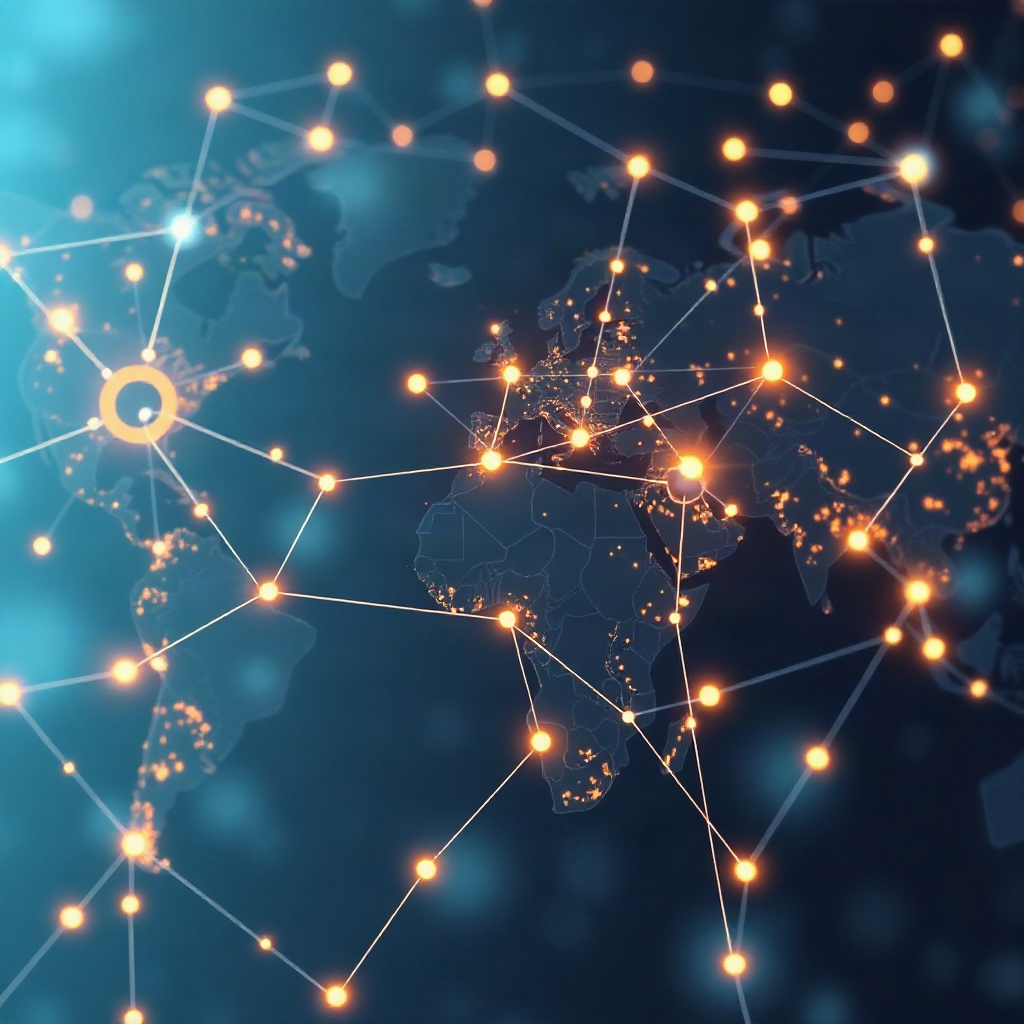
Global markets play a crucial role in the interconnected world we live in today. The economies of different countries are heavily reliant on each other, creating a web of connections that can have far-reaching effects. In this article, we will explore how global markets are connected and the impact they have on the world economy.
The Role of Technology in Global Markets
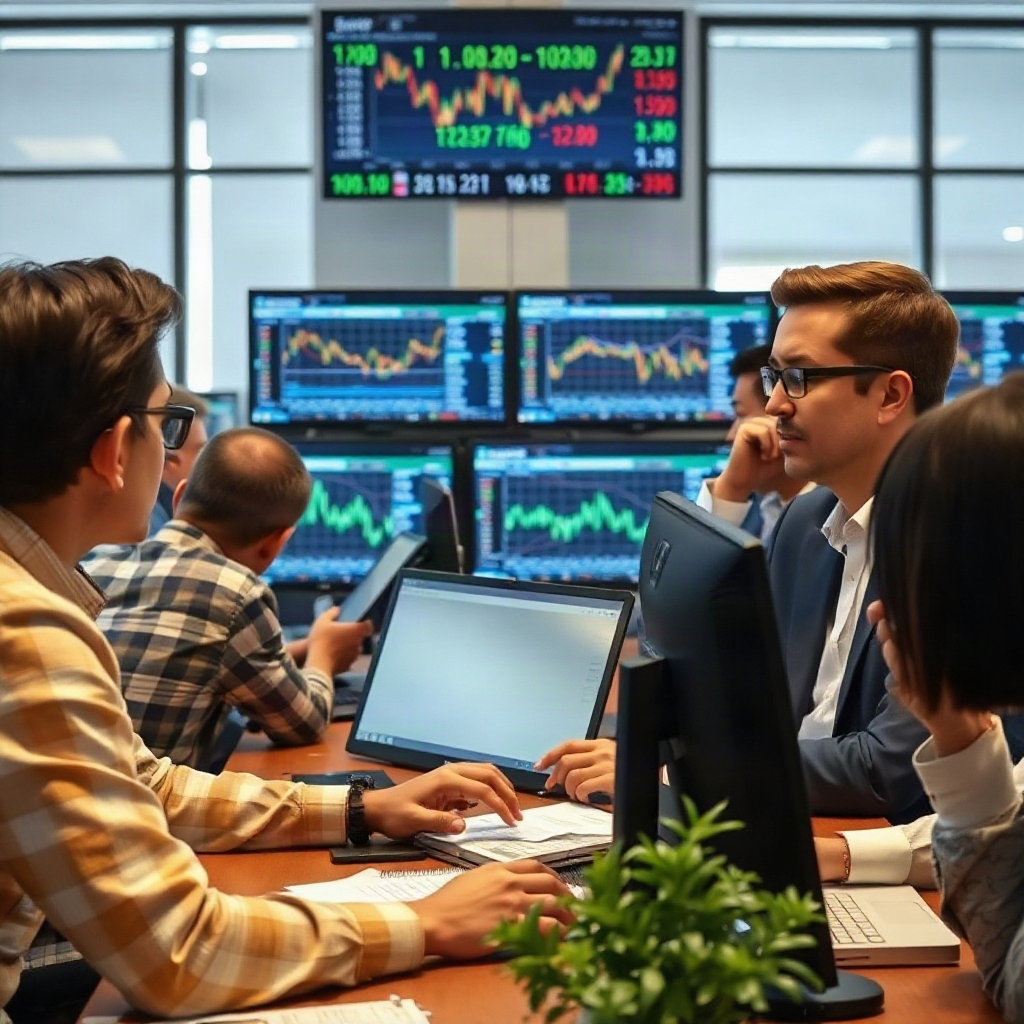
Technology has revolutionized the way global markets operate. With the advent of the internet and advanced communication systems, transactions can be completed in a matter of seconds across continents. This rapid exchange of information has led to increased efficiency and liquidity in the global financial system.
Trade Agreements and Their Impact on Global Markets
Trade agreements between countries play a significant role in shaping global markets. These agreements can determine the terms of trade, tariffs, and regulations that govern the flow of goods and services between nations. The implementation of trade agreements can have both positive and negative effects on the economies involved.
Financial Institutions and Global Market Stability
Financial institutions such as central banks and international organizations play a crucial role in maintaining stability in global markets. These institutions monitor economic indicators, regulate monetary policy, and provide financial assistance to countries in times of crisis. Their actions can have a significant impact on the overall health of the global economy.
The Influence of Geopolitics on Global Markets
Geopolitical events and decisions can have a profound impact on global markets. Political instability, conflicts, and diplomatic tensions can create uncertainty in the financial markets, leading to fluctuations in prices and investor confidence. Understanding the geopolitical landscape is essential for predicting market trends and making informed investment decisions.
Globalization and Market Interdependence
The process of globalization has led to increased interdependence among countries in terms of trade, finance, and investment. As economies become more interconnected, events in one part of the world can have ripple effects across the globe. This interdependence highlights the importance of collaboration and cooperation in maintaining a stable global economy.
Future Trends in Global Markets
Looking ahead, it is clear that global markets will continue to evolve and adapt to new challenges and opportunities. Technological advancements, changing political landscapes, and shifting consumer preferences will shape the future of global commerce. Adapting to these trends and staying informed about market developments will be crucial for businesses and investors in the years to come.