In today’s globalized world, businesses are constantly facing challenges and opportunities arising from geopolitical risks. These risks can have a significant impact on a company’s strategy, operations, and overall success. It is crucial for businesses to understand how geopolitical risk affects their operations and to develop strategies to mitigate these risks effectively.
The Definition of Geopolitical Risk
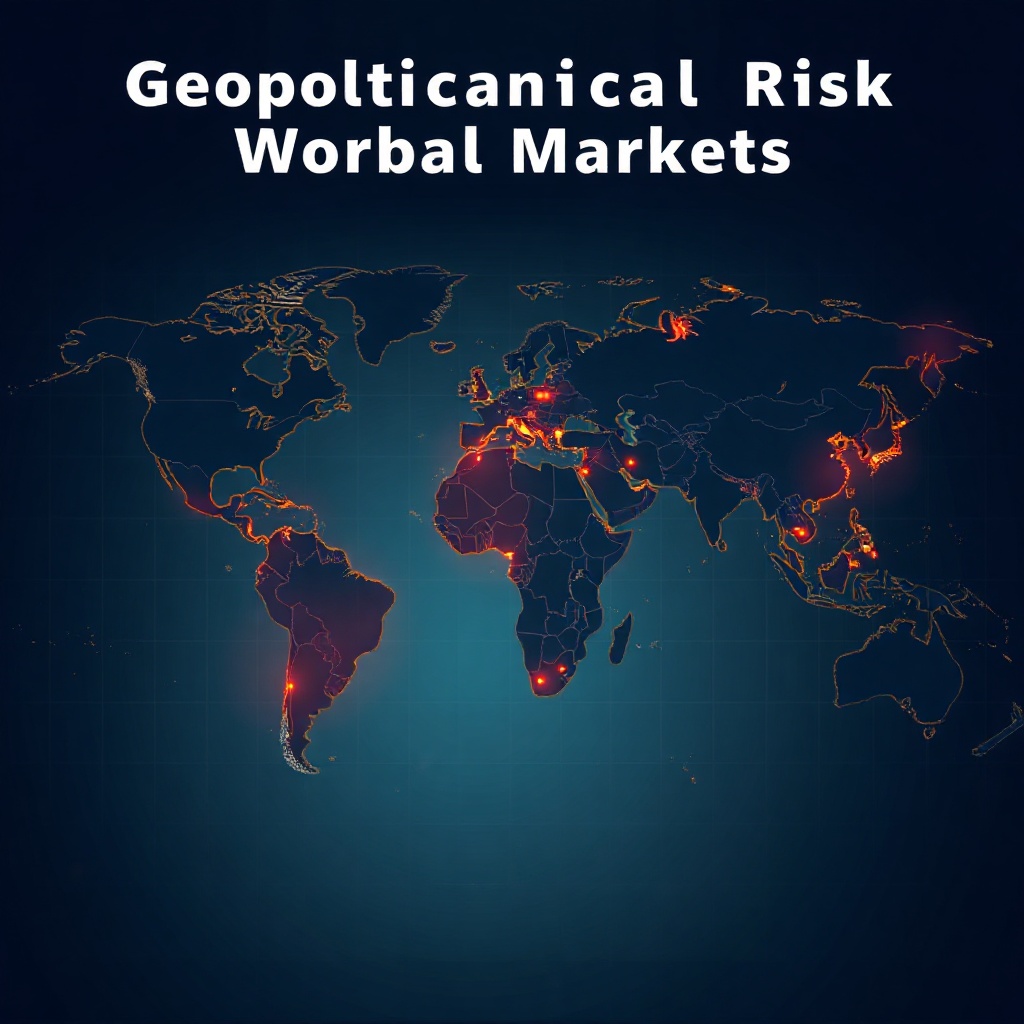
Geopolitical risk refers to the potential impact of political, economic, and social factors on businesses operating in different countries or regions. These risks can arise from factors such as government instability, regulatory changes, trade disputes, terrorism, and natural disasters. Understanding and managing geopolitical risk is essential for businesses to operate successfully in today’s complex global environment.
The Impact of Geopolitical Risk on Business Strategy
Geopolitical risk can have a profound impact on a company’s business strategy. Companies need to consider factors such as political stability, economic conditions, and social unrest when developing their strategies. Changes in government policies, trade agreements, or security threats can all affect a company’s operations and profitability. Companies must adapt their strategies to navigate these risks effectively.
Strategies for Managing Geopolitical Risk
There are several strategies that businesses can employ to manage geopolitical risk effectively. These include diversifying operations across different regions, staying informed about political developments, building strong relationships with local stakeholders, and developing contingency plans for various scenarios. By proactively addressing geopolitical risks, companies can protect their interests and ensure long-term success.
Case Studies Examples of Geopolitical Risk
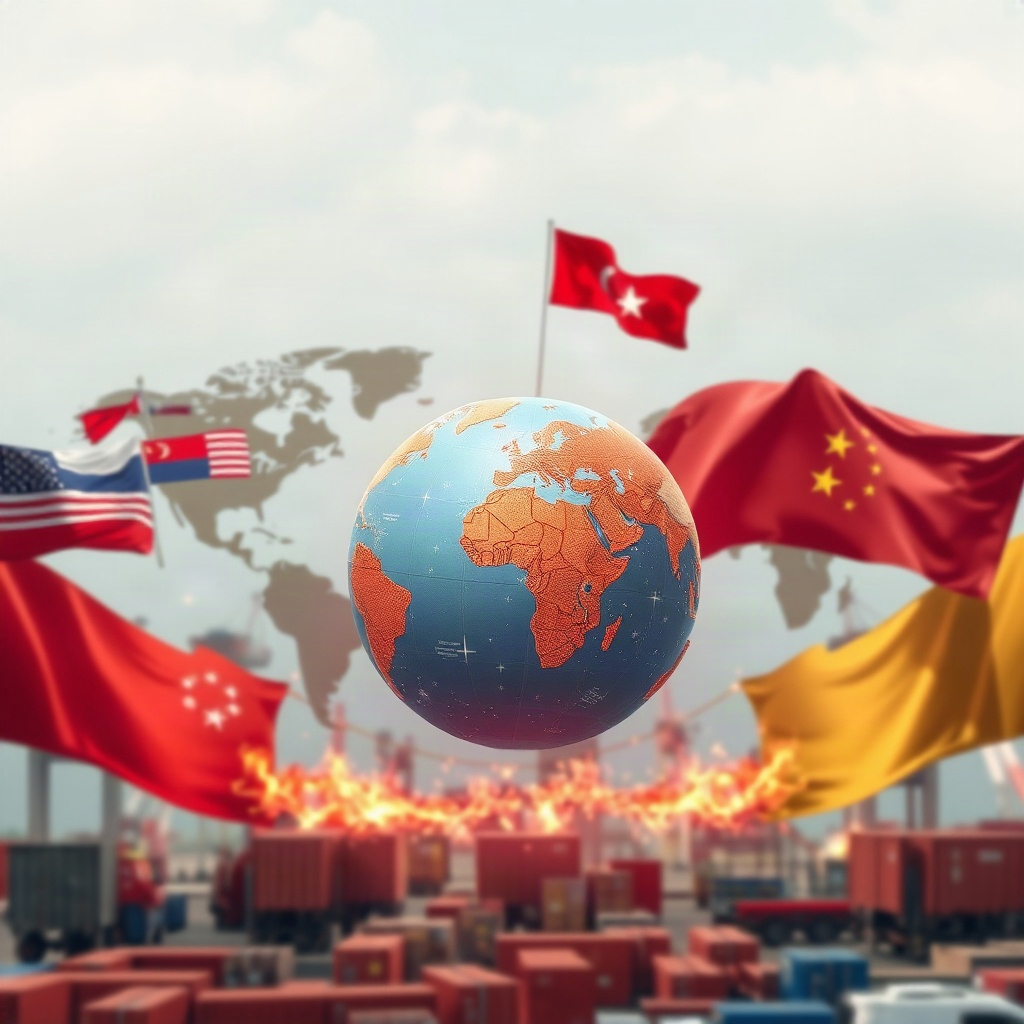
Examining real-world examples can provide valuable insights into how geopolitical risk can impact businesses. Case studies of companies facing challenges such as trade disputes, political unrest, or regulatory changes can illustrate the importance of understanding and managing geopolitical risk. By learning from these examples, businesses can better prepare for similar situations in the future.
The Role of Technology in Managing Geopolitical Risk
Technology plays a vital role in helping businesses manage geopolitical risk effectively. Tools such as data analytics, artificial intelligence, and risk assessment software can provide valuable insights into potential risks and help companies make informed decisions. By leveraging technology, businesses can enhance their risk management capabilities and respond proactively to geopolitical challenges.
The Future of Geopolitical Risk in Business
As the global landscape continues to evolve, the future of geopolitical risk in business remains uncertain. New challenges such as cybersecurity threats, climate change, and global pandemics are emerging, presenting additional risks for businesses to navigate. Companies must stay agile, adaptable, and prepared to address these evolving geopolitical risks to succeed in the ever-changing business environment.
Conclusion
In conclusion, geopolitical risk has a significant impact on business strategy and operations. By understanding the nature of geopolitical risk, developing effective strategies for managing it, and leveraging technology to mitigate risks, businesses can navigate the complex global landscape successfully. It is essential for companies to stay informed, proactive, and adaptable in the face of geopolitical challenges to ensure long-term success in today’s dynamic business environment.