Geography plays a crucial role in shaping a country’s foreign policy. The physical features, climate, and location of a nation can significantly impact its relations with other countries. In this article, we will explore how geography influences a country’s foreign policy decisions.
The Influence of Borders
A country’s borders define its territorial limits and often play a key role in determining its foreign policy. Proximity to other nations, shared borders, and border disputes can all impact a country’s diplomatic relationships. For example, countries with long, disputed borders may prioritize border security and territorial integrity in their foreign policy decisions.
Maritime Importance
For countries with coastlines, maritime geography is a crucial factor in shaping foreign policy. Access to the sea, control over shipping lanes, and maritime resources can all influence a nation’s strategic interests. Countries with significant maritime territories often focus on naval power and maritime security in their foreign policy agendas.
Climate and Resources
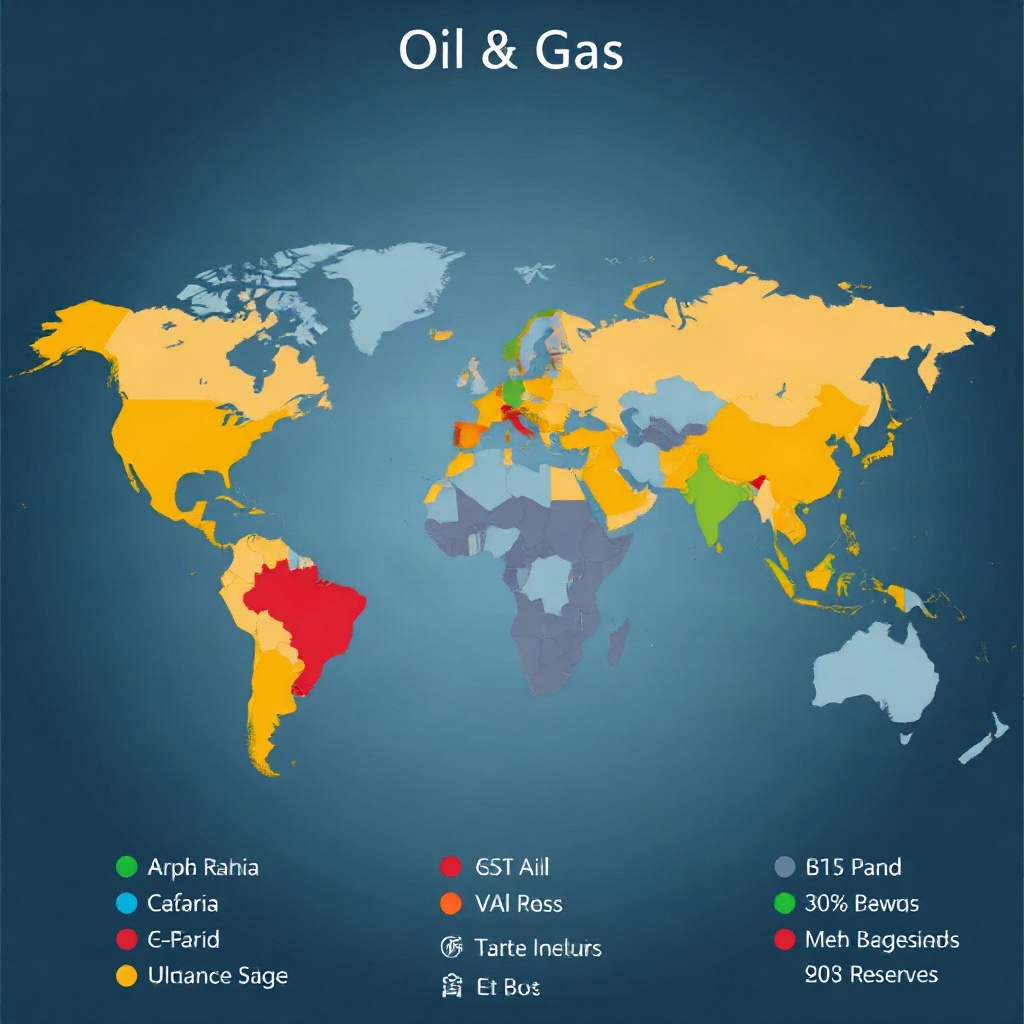
The climate and natural resources of a country can also shape its foreign policy objectives. Nations with abundant natural resources may prioritize economic diplomacy and resource management in their international relations. Additionally, countries vulnerable to climate change may seek cooperation with other nations to address environmental challenges.
Strategic Positioning
Geographic location can be a determining factor in a country’s foreign policy orientation. Nations situated at crossroads of trade routes or near strategic chokepoints may adopt policies to leverage their strategic positioning. For example, countries located at the intersection of major powers may pursue a balanced foreign policy to avoid being dragged into regional conflicts.
Influence on Security Policies
Geography can have a direct impact on a country’s security policies and defense strategies. Nations facing security threats from neighboring states or transnational actors may prioritize military alliances and defense cooperation in their foreign relations. Geography also plays a role in shaping a country’s military posture and deployment of forces.
Diplomatic Alliances
Geography can influence a country’s choice of diplomatic alliances and partnerships. Proximity to certain regions or shared security concerns may lead nations to form alliances to enhance their security and influence. Geopolitical considerations often drive countries to seek allies that can help them advance their foreign policy objectives.
In conclusion, geography is a fundamental element that shapes a country’s foreign policy decisions. By understanding the geographical factors at play, policymakers can develop strategic approaches that align with their national interests and security concerns.