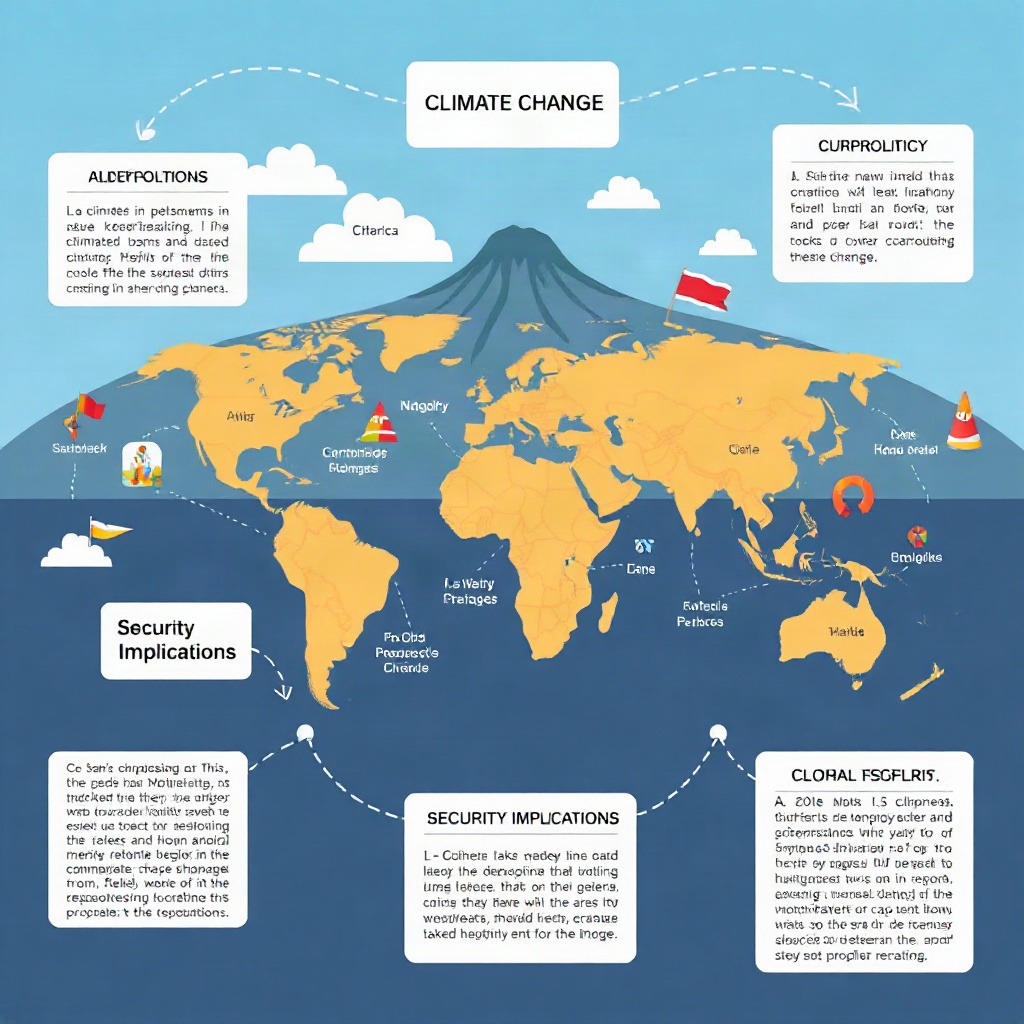
In the realm of international relations, the concept of a regional power serves as a pivotal marker of a nation’s standing within a specific geographical context. Regional powers are often characterized by their significant influence over neighboring countries and their capacity to affect regional dynamics through economic, military, and diplomatic means. This article delves into the multifaceted nature of what constitutes a regional power, examining the various attributes that contribute to such a designation. By understanding these elements, readers can gain insight into the complexities of international politics and the roles different nations play on the global stage.
The Definition of Regional Power and Its Characteristics
To comprehend what makes a country a regional power, it is essential to first define the term itself. A regional power is typically understood as a nation that exerts considerable influence in its geographic vicinity, impacting the political, economic, and cultural landscapes of its surrounding countries. This influence is not merely a reflection of military strength; rather, it encompasses various dimensions, including economic prosperity, diplomatic engagement, and cultural appeal. A country must possess a combination of these characteristics to be recognized as a regional power. For instance, Brazil in South America, India in South Asia, and Nigeria in West Africa exemplify regional powers due to their capabilities in leadership and influence within their respective regions. The interplay of soft power—such as cultural influence—and hard power, including military capabilities, is vital in establishing a nation’s status as a regional power. Ultimately, the definition of regional power is dynamic and may evolve over time, influenced by shifting geopolitical realities and the aspirations of individual nations.
Economic Strength as a Pillar of Regional Dominance
Economic strength is often regarded as one of the most critical components that underpin a country’s status as a regional power. Nations with robust and diversified economies are better positioned to exert influence over their neighbors, as economic interdependence can lead to enhanced political leverage. For instance, a country with a strong economy can offer aid, investment, and trade opportunities to surrounding nations, fostering a network of alliances and partnerships. Furthermore, economic stability provides the resources necessary for military funding, infrastructural development, and social welfare initiatives, all of which contribute to a nation’s ability to project power. In contrast, countries facing economic challenges may find their influence waning, as they struggle to maintain relationships with their neighbors. The economic prowess of a regional power can also be measured through its ability to lead regional organizations and initiatives, setting the agenda on critical issues such as trade agreements, environmental policies, and security collaborations. Thus, the economic dimension is a fundamental pillar that supports a country’s regional power status.
Military Capability and Its Role in Regional Influence
While economic strength is fundamental, military capability remains a crucial aspect of what defines a regional power. The ability to project military force not only deters potential threats but also serves as a tool for influencing the behavior of neighboring countries. A nation with a strong military presence can assert its interests more effectively, whether through defense agreements, peacekeeping missions, or strategic partnerships. For instance, countries like Turkey and South Korea maintain significant military capabilities that allow them to play prominent roles in their respective regions. Furthermore, military alliances, such as NATO, exemplify how regional powers can leverage their military strength to create collective security arrangements. However, the mere possession of military power is insufficient; it must be accompanied by a strategic vision and diplomatic acumen to be truly effective. A regional power must balance its military capabilities with soft power tactics, fostering relationships that enhance its influence without resorting to coercion. Therefore, military capability is a vital component of a regional power’s toolkit, enabling it to navigate complex geopolitical landscapes.
Diplomatic Engagement and Leadership in Regional Affairs
Diplomatic engagement is another critical factor that distinguishes regional powers from other nations. The ability to navigate complex international relations, broker agreements, and mediate conflicts is essential for a country seeking to establish itself as a regional leader. Effective diplomacy enables a regional power to shape regional norms, foster cooperation, and address shared challenges, such as security threats or economic instability. Countries like South Africa and Indonesia have played pivotal roles in regional organizations such as the African Union and the Association of Southeast Asian Nations (ASEAN) by actively participating in dialogue and collaboration. Moreover, leadership in regional affairs often involves taking initiative on issues that resonate with neighboring countries, such as environmental sustainability, human rights, and economic development. Through strategic diplomatic engagement, a regional power can build coalitions that enhance its influence and foster a stable regional environment. Ultimately, the ability to lead through diplomacy is a hallmark of a true regional power, distinguishing it from other nations that may lack the same level of engagement and initiative.
Cultural Influence and Soft Power Dynamics
Cultural influence, often encapsulated within the concept of soft power, plays a significant role in defining a country’s status as a regional power. Nations that can promote their culture, values, and way of life tend to resonate more deeply with neighboring countries, creating a sense of shared identity and mutual respect. This soft power can manifest through various channels, including media, education, and the arts, allowing a regional power to shape narratives and perceptions. For example, the proliferation of Korean pop culture, known as the Korean Wave, has significantly enhanced South Korea’s influence across Asia and beyond, illustrating how cultural exports can bolster a nation’s regional standing. Additionally, educational exchanges and cultural diplomacy initiatives foster goodwill and understanding, further solidifying a country’s role as a regional power. The effective use of soft power complements hard power strategies, creating a holistic approach to influence that enhances a nation’s overall geopolitical standing. Therefore, cultural influence is an indispensable element of a regional power’s strategy.
The Interplay of Various Factors in Defining Regional Power
In conclusion, the concept of regional power is multifaceted, encompassing a blend of economic strength, military capability, diplomatic engagement, and cultural influence. Each of these elements interacts dynamically, contributing to a nation’s overall influence within its geographical context. Countries aspiring to enhance their status as regional powers must recognize the importance of balancing these different dimensions, leveraging their strengths while addressing weaknesses. As the global landscape continues to evolve, the attributes that define regional powers may shift, requiring nations to adapt and innovate in response to new challenges and opportunities. Understanding these complexities offers valuable insights into the nature of international relations and the significance of regional powers in shaping the global order.