Market cycles are an essential aspect that investors need to understand in order to make informed decisions when it comes to their investments. By recognizing the patterns and trends that occur in the market, investors can better anticipate potential risks and opportunities. In this article, we will delve into what investors should know about market cycles, exploring the different phases and how they can impact investment strategies.
The Basics of Market Cycles
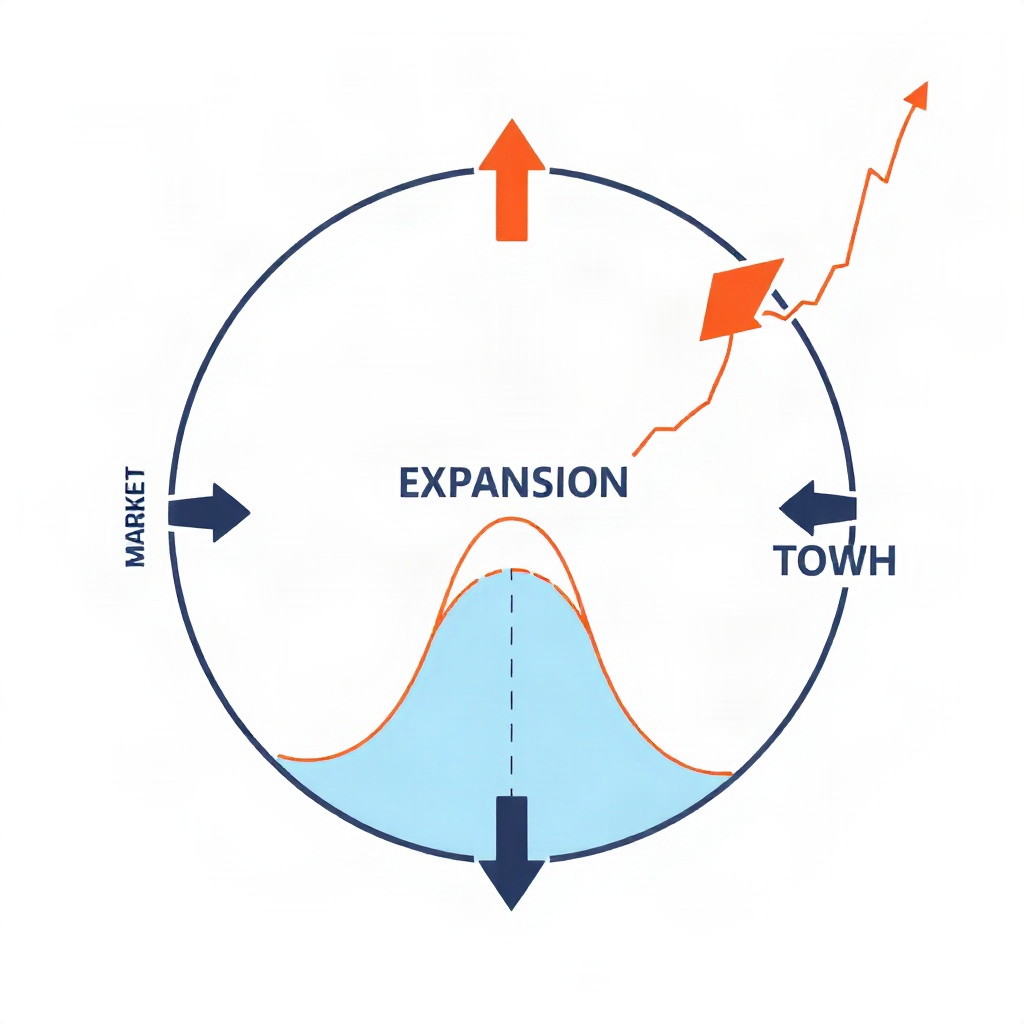
Market cycles refer to the recurring patterns of growth and decline in the financial markets. These cycles typically consist of four stages: expansion, peak, contraction, and trough. Understanding these phases is crucial for investors as it helps them identify where the market currently stands and what may come next.
Impact on Investment Strategies
Each phase of the market cycle presents unique challenges and opportunities for investors. During the expansion phase, for example, asset prices tend to rise, making it an ideal time to invest in growth-oriented securities. On the other hand, the contraction phase may signal a downturn in the market, prompting investors to adopt defensive strategies to protect their portfolios.
Recognizing Market Trends
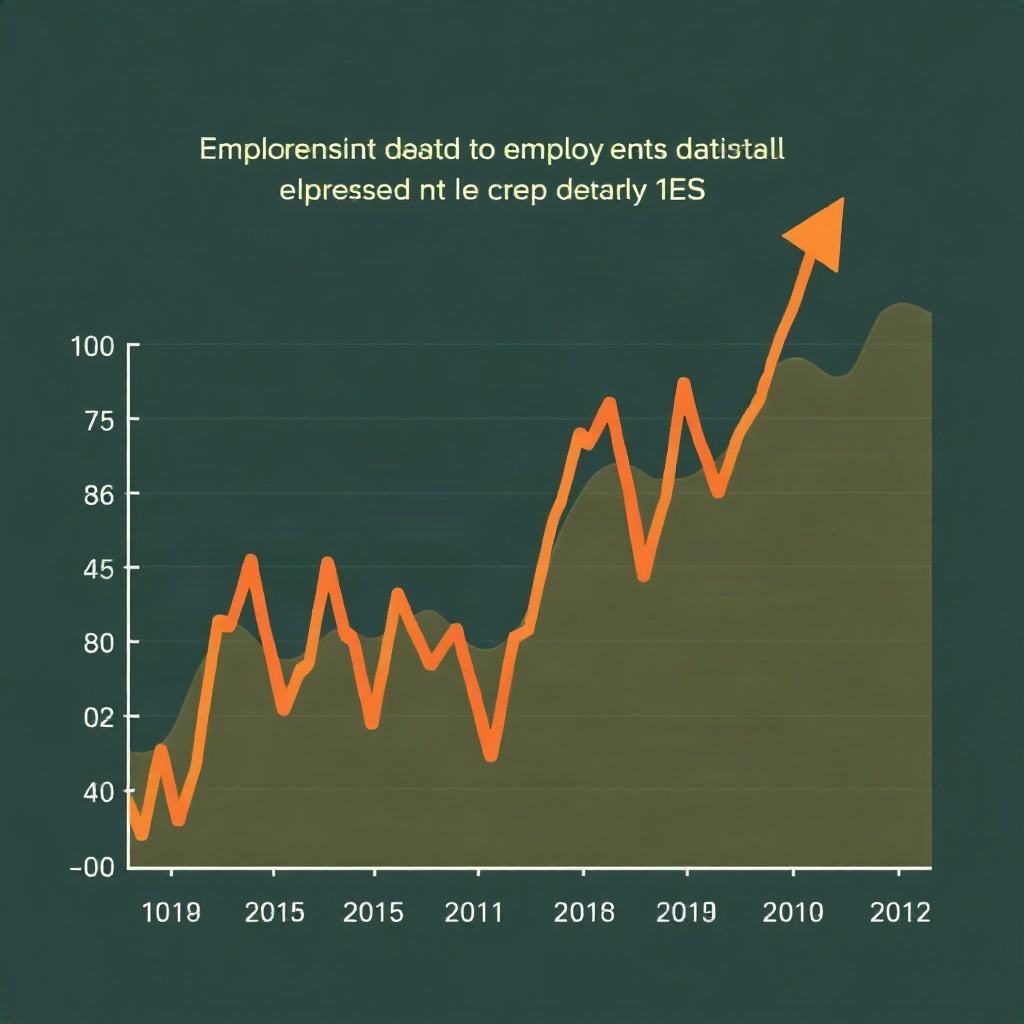
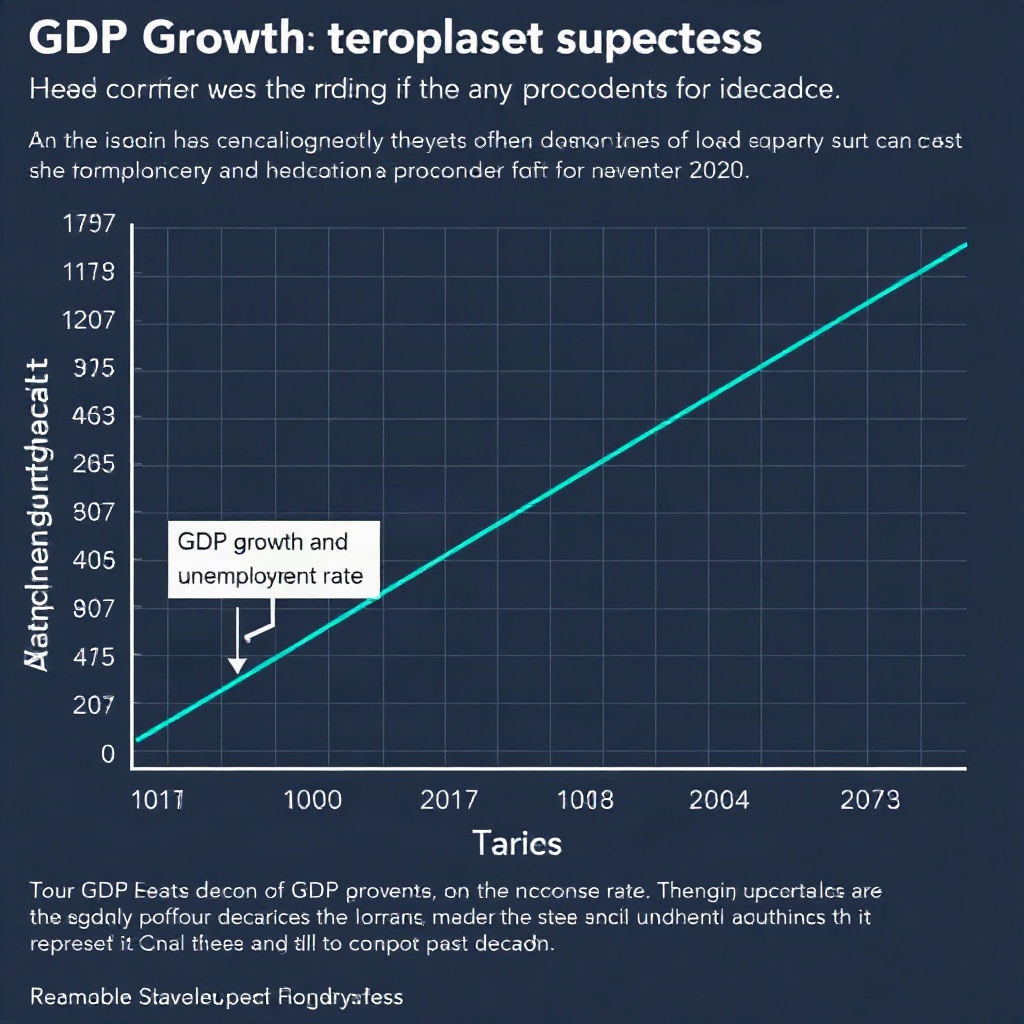
By analyzing historical data and market indicators, investors can identify recurring trends in the market cycles. This information can help them anticipate potential shifts in the market and adjust their investment strategies accordingly. Recognizing market trends is essential for staying ahead of the curve and maximizing investment returns.
Diversification and Risk Management
Diversification is a key strategy for managing risk during different phases of the market cycle. By spreading investments across various asset classes, sectors, and geographic regions, investors can reduce their exposure to market volatility and minimize potential losses. Effective risk management is essential for preserving capital and achieving long-term investment success.
Long-Term Perspective
Investors should maintain a long-term perspective when navigating market cycles. While short-term fluctuations may cause uncertainty and volatility, focusing on long-term goals and investment objectives can help investors stay disciplined and avoid making impulsive decisions. By staying committed to their investment strategy, investors can weather market cycles and achieve their financial goals.
Conclusion
In conclusion, understanding market cycles is crucial for investors looking to navigate the complex world of finance. By recognizing the patterns and trends that occur in the market, investors can make informed decisions and optimize their investment strategies. By staying vigilant, diversifying their portfolios, and maintaining a long-term perspective, investors can successfully navigate market cycles and achieve their financial objectives.