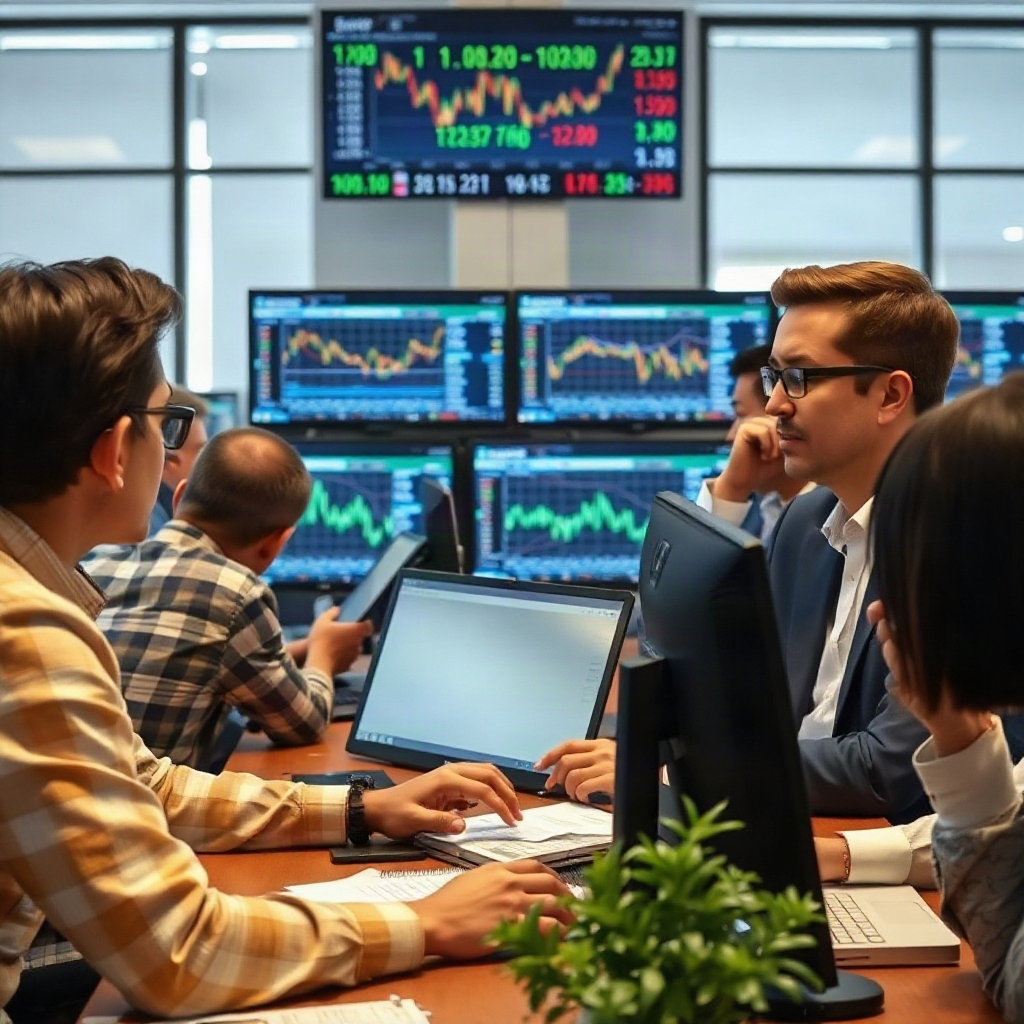
In times of economic uncertainty, it is natural for investors to become cautious and hesitant about the future of the financial markets. However, contrary to common belief, markets can actually experience a rise during periods of uncertainty. This phenomenon may seem counterintuitive, but there are various factors that contribute to this unexpected trend.
Understanding Market Psychology
One of the key factors behind the rise of markets during economic uncertainty is the psychology of market participants. When faced with uncertainty, investors tend to exhibit herd behavior, following the actions of others rather than making independent decisions. This herd mentality can lead to a surge in market activity, driving prices up despite the underlying economic challenges.
Opportunity for Bargain Hunting
Another reason for the rise in markets during uncertain times is the opportunity it presents for bargain hunting. When prices are low due to economic uncertainty, savvy investors see it as a chance to purchase assets at a discount. This influx of buying activity can stimulate market growth and push prices higher, even in the face of uncertainty.
Government Intervention and Stimulus Measures
During times of economic uncertainty, governments often intervene in the markets to stabilize the economy and restore investor confidence. Through stimulus measures such as interest rate cuts, fiscal stimulus packages, and quantitative easing, authorities can inject liquidity into the markets and support asset prices. This intervention can create a false sense of security and lead to a temporary rise in markets.
Adaptability and Innovation
In times of economic uncertainty, companies are forced to adapt and innovate in order to survive. This spirit of resilience and creativity can lead to the development of new technologies, products, and services that drive growth in specific sectors of the economy. As investors recognize the potential for innovation and growth, they may invest in these companies, contributing to the overall rise in markets.
Global Economic Interconnectedness
In today’s interconnected global economy, events in one part of the world can have ripple effects that impact markets worldwide. While economic uncertainty may prevail in certain regions, positive developments in other countries or sectors can offset the negative sentiment and lead to a rise in markets globally. This interconnectivity can create opportunities for investors to diversify their portfolios and benefit from growth in different regions.
Long-Term Investment Perspective
Lastly, the rise in markets during economic uncertainty can also be attributed to the long-term perspective of some investors. While short-term fluctuations may be driven by fear and uncertainty, those with a long-term view understand that market cycles are a natural part of investing. By staying focused on their investment goals and maintaining a diversified portfolio, these investors can weather the storm of uncertainty and benefit from the eventual recovery and growth of the markets.
In conclusion, the rise of markets during economic uncertainty may seem paradoxical, but it is a phenomenon that can be attributed to various factors such as market psychology, opportunity for bargain hunting, government intervention, adaptability and innovation, global economic interconnectedness, and a long-term investment perspective. By understanding these dynamics, investors can navigate uncertain times with confidence and make informed decisions to capitalize on market opportunities.