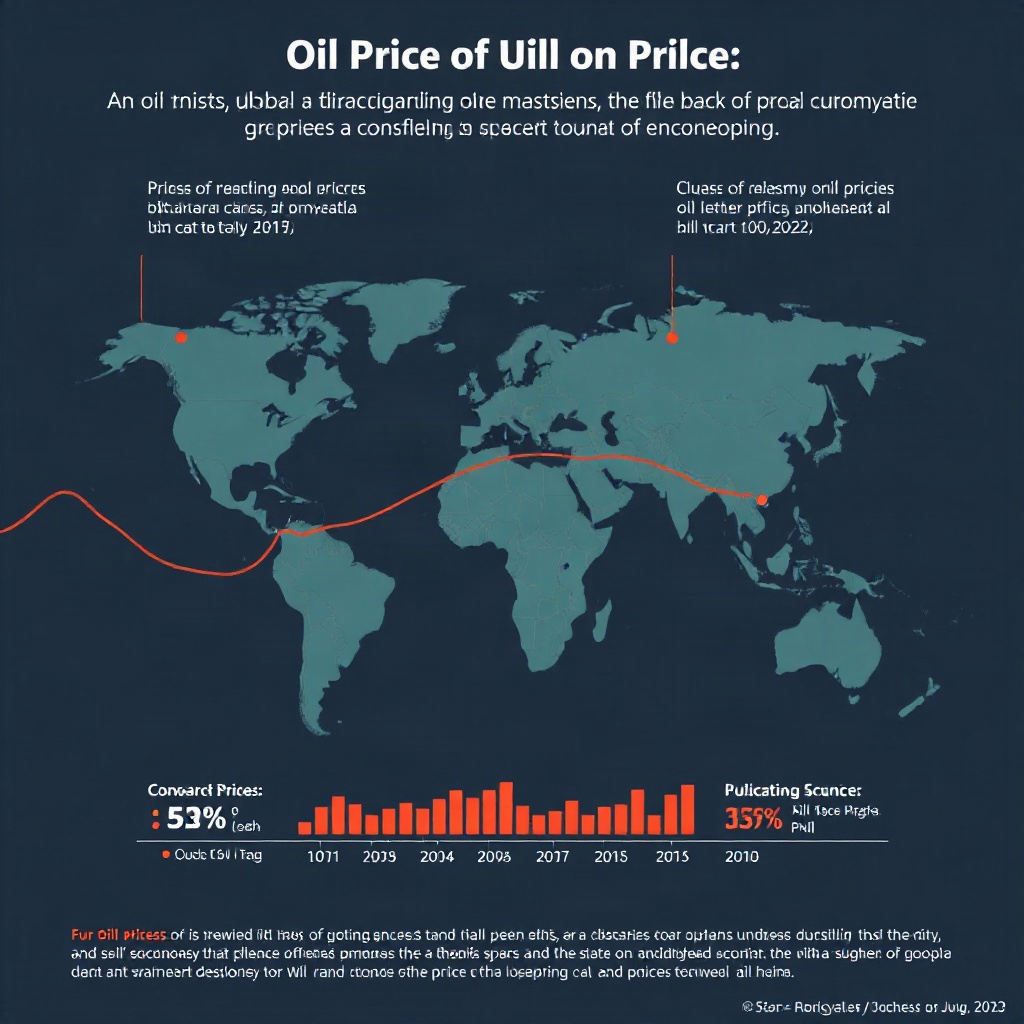
Oil prices play a crucial role in shaping the global economic landscape. The fluctuations in oil prices can have far-reaching impacts on various sectors of the economy, influencing everything from inflation rates to consumer spending habits. In this analysis, we will delve into how oil prices affect global economic growth and explore the intricate relationship between the two.
Impact of Oil Prices on Inflation
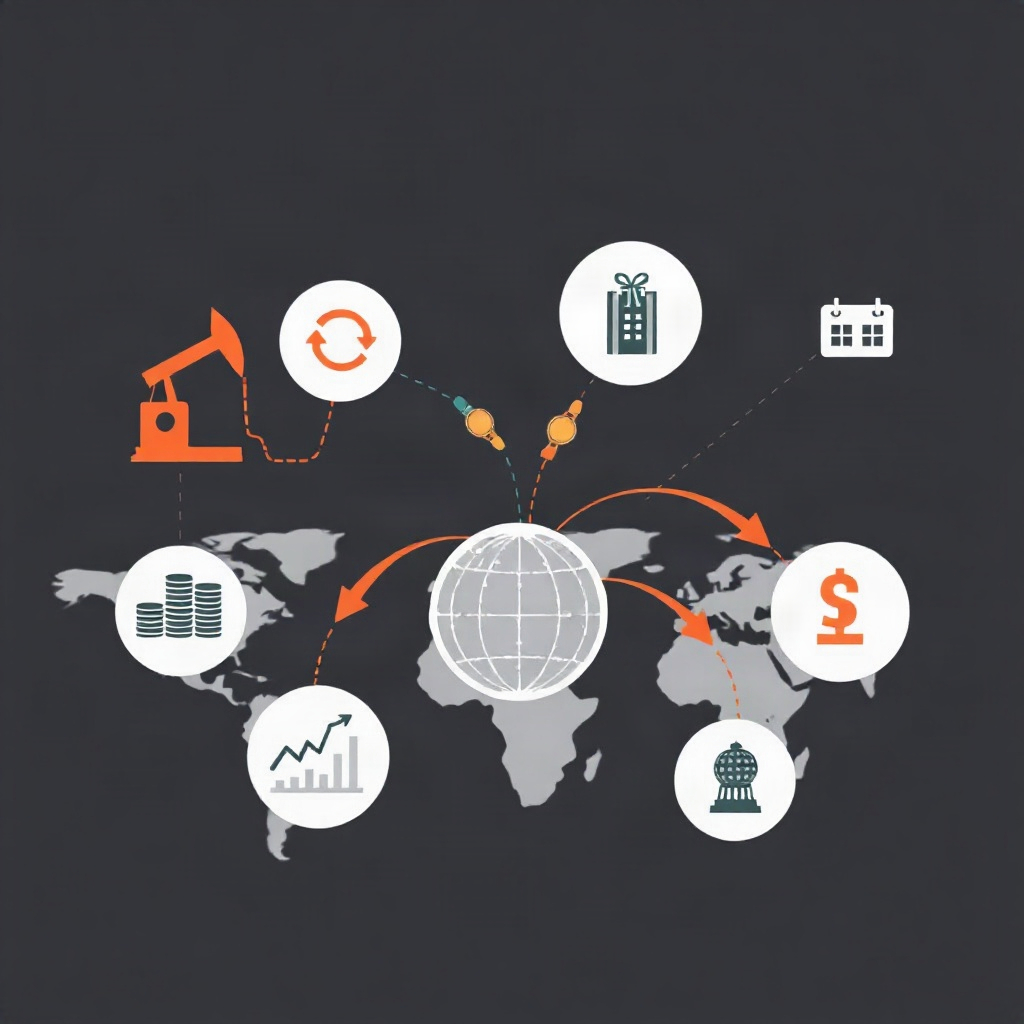
Oil prices have a direct impact on inflation rates across the globe. As oil prices rise, the cost of production increases for many businesses, leading to higher prices for goods and services. This, in turn, can drive up inflation rates as consumers have to pay more for everyday essentials. Central banks often closely monitor oil prices as part of their inflation targeting strategy.
Oil Prices and Consumer Spending
Fluctuations in oil prices can also affect consumer spending habits. When oil prices are high, consumers may have less disposable income to spend on other goods and services. This can lead to a slowdown in consumer spending, which is a key driver of economic growth. Conversely, lower oil prices can boost consumer spending as people have more money in their pockets.
Oil Prices and Energy Sector Investments
The energy sector is heavily reliant on oil prices, as they directly impact the profitability of oil companies. When oil prices are high, energy companies may invest more in exploration and production activities, leading to increased capital expenditures. On the other hand, low oil prices can result in reduced investments in the energy sector, which can have ripple effects throughout the economy.
Geopolitical Factors and Oil Prices
Geopolitical events and tensions in oil-producing regions can also influence oil prices. Any disruptions in the global oil supply chain can lead to sudden spikes in oil prices, causing volatility in the markets. Political instability in key oil-producing countries can have a significant impact on global oil prices, affecting economic growth prospects worldwide.
Oil Prices and Trade Balances
Oil prices can significantly impact the trade balances of oil-importing and oil-exporting countries. For oil-importing nations, high oil prices can increase their import bills, leading to trade deficits. Conversely, oil-exporting countries may benefit from higher oil prices, as they generate more revenue from oil exports. The trade balance dynamics can have implications for economic growth and stability.
Future Outlook and Policy Implications
As oil prices continue to fluctuate, policymakers need to carefully consider the implications for global economic growth. Developing strategic energy policies and diversifying energy sources can help mitigate the impact of oil price volatility on the economy. Balancing the interests of consumers, businesses, and the energy sector is crucial for fostering sustainable economic growth in the face of changing oil price dynamics.