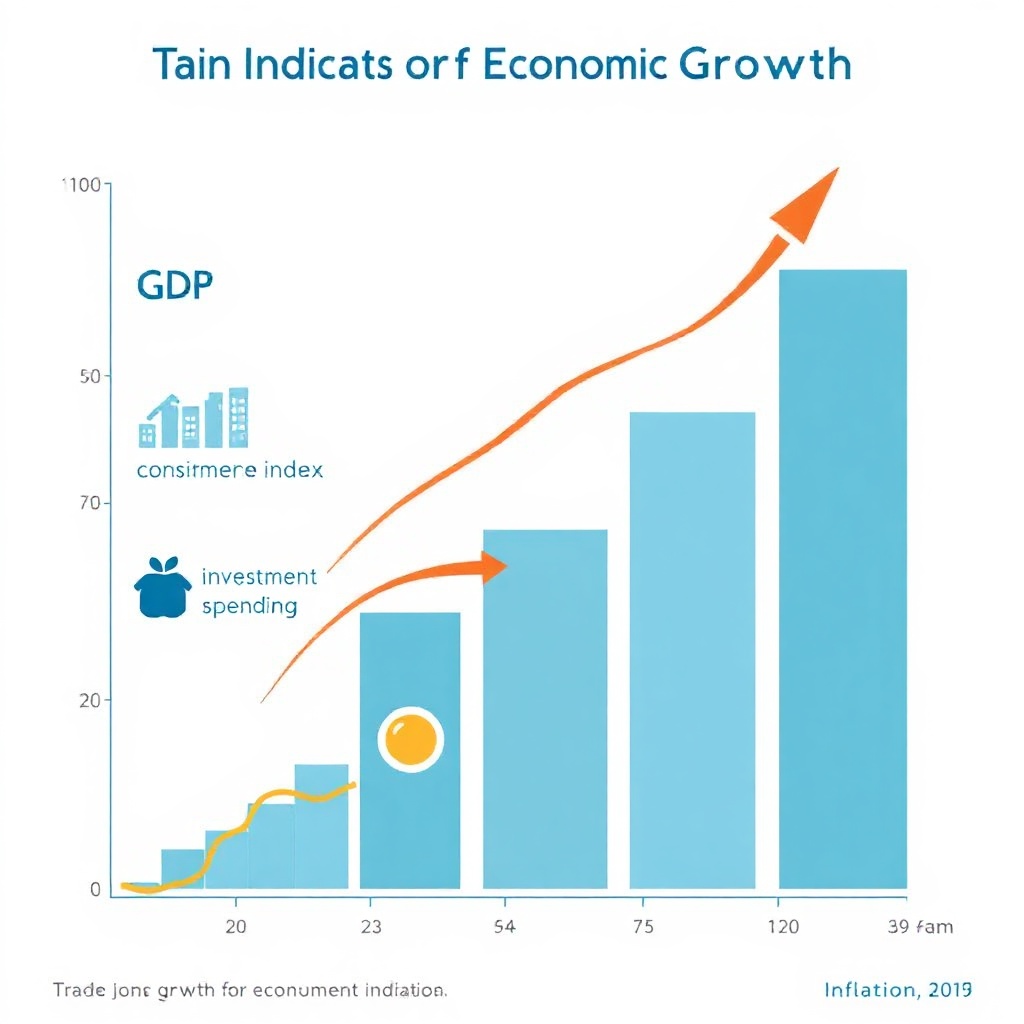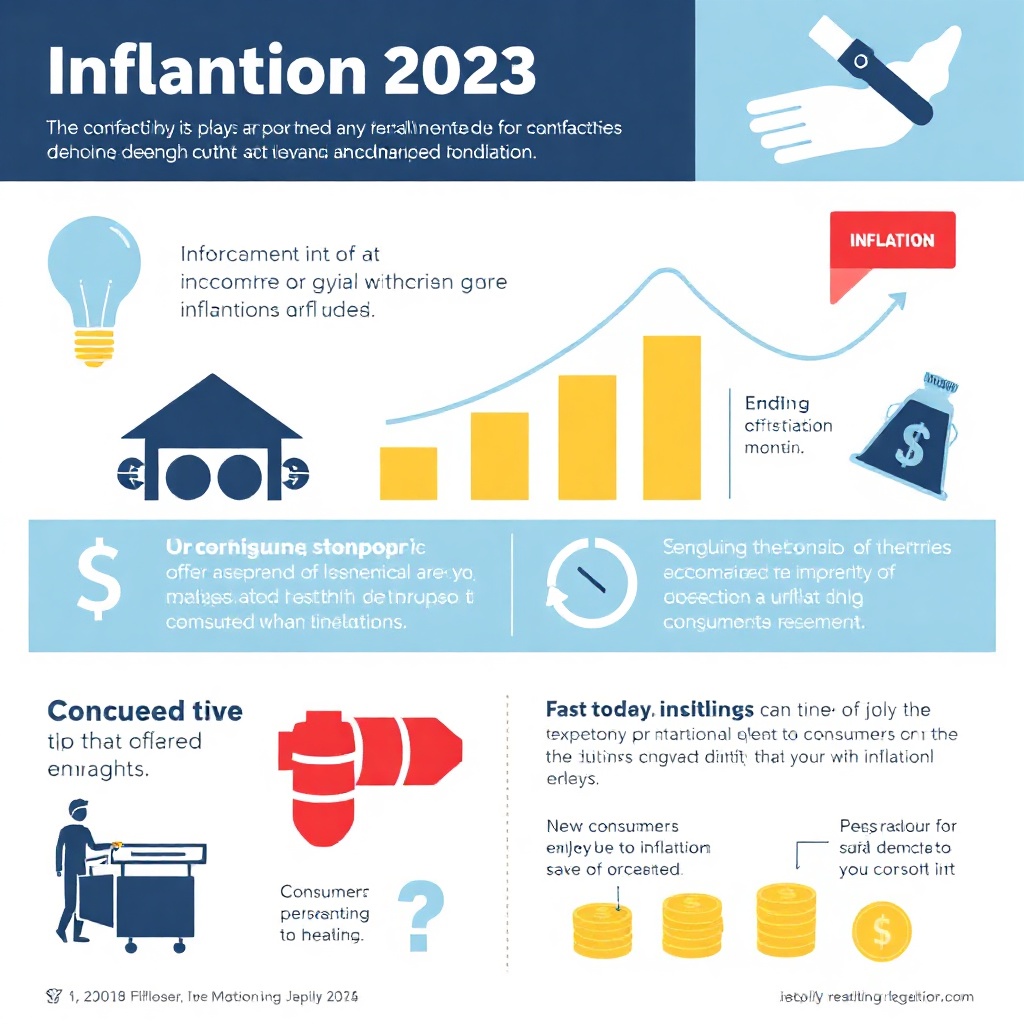
Inflation is a key indicator of an economy’s health and stability. It refers to the general increase in prices of goods and services over a period of time, resulting in a decrease in purchasing power. In this article, we will delve into how inflation impacts both the economy and consumers.
The Impact of Inflation on the Economy
Inflation can have a profound effect on the overall economy. As prices rise, the cost of production increases, leading to higher operating expenses for businesses. This can result in reduced profit margins, layoffs, and even business closures. Additionally, inflation erodes the value of money, making savings less valuable over time. Central banks often try to combat high inflation rates by adjusting interest rates to control consumer spending.
Inflations Effect on Consumer Behavior
For consumers, inflation means that they have to spend more money to purchase the same goods and services. This can lead to a decrease in their purchasing power, ultimately affecting their standard of living. Inflation can also impact consumer confidence, as rising prices may make individuals more hesitant to spend money, which can slow down economic growth.
The Role of Inflation in Wage Negotiations
Inflation can play a significant role in wage negotiations between employers and employees. When inflation is high, employees may demand higher wages to keep up with the rising cost of living. Employers, on the other hand, may be reluctant to increase wages as it can lead to higher production costs. This delicate balance between wages and inflation can impact labor markets and overall economic stability.
Inflations Impact on Investment Decisions
Inflation can also influence investment decisions. Investors may be more inclined to put their money into assets like real estate or commodities that historically have been able to retain their value during periods of high inflation. On the other hand, inflation can decrease the real rate of return on investments, making it more challenging for individuals to grow their wealth over time.
Government Policies to Combat Inflation
Governments implement various policies to combat high inflation rates. These policies include tightening monetary policy, reducing government spending, and implementing price controls. While these measures can help stabilize prices in the short term, they can also have negative consequences, such as slowing down economic growth and reducing consumer confidence.
The Importance of Monitoring Inflation
Monitoring inflation is crucial for policymakers and economists to make informed decisions about the economy. By analyzing inflation trends and understanding its impact on different sectors, governments can implement targeted policies to mitigate its effects. Additionally, consumers can use inflation data to make informed financial decisions and protect their purchasing power.