Technology

How Technology Is Changing Consumer Behavior

With the rapid advancement of technology in recent years, the way consumers behave has significantly changed. This shift has been driven by various technological innovations that have influenced how people interact with businesses, products, and services. In this article, we will explore how technology is shaping consumer behavior in the digital age.

The Rise of E-Commerce Platforms

One of the most noticeable changes in consumer behavior is the increasing preference for online shopping. E-commerce platforms have made it convenient for consumers to browse and purchase products from the comfort of their homes. The ease of comparison shopping, access to a wider range of products, and the ability to read reviews have all contributed to the popularity of online retail.

Personalization and Targeted Marketing

Technology has enabled businesses to collect vast amounts of data on consumer behavior, preferences, and demographics. This data is used to personalize marketing messages and offers, creating a more targeted approach to reaching consumers. Personalization has become a key strategy for businesses looking to engage with their target audience and increase sales.

The Influence of Social Media

Social media platforms have become integral to consumer behavior, with many people turning to these channels for product recommendations and reviews. Influencers play a significant role in shaping consumer opinions and preferences, as their followers trust their recommendations. Businesses are leveraging social media to connect with consumers on a more personal level and build brand loyalty.

Mobile Shopping and Apps

The widespread adoption of smartphones has revolutionized the way consumers shop. Mobile shopping apps have made it easy for consumers to make purchases on the go, leading to a rise in impulse buying. Businesses are investing in mobile-friendly websites and apps to provide a seamless shopping experience for their customers, driving sales and customer loyalty.

The Shift Towards Subscription Services

Subscription services have gained popularity in recent years, offering consumers a convenient and cost-effective way to access products and services on a recurring basis. From streaming services to meal kits, subscription models have changed the way consumers approach purchases. Businesses are capitalizing on this trend by offering subscription-based options to attract and retain customers.

Virtual and Augmented Reality Experiences

Virtual and augmented reality technologies are transforming the consumer experience, allowing users to interact with products in immersive ways. Retailers are using VR and AR to create virtual fitting rooms, product visualization tools, and interactive shopping experiences. These technologies enhance consumer engagement and drive conversion rates by providing a more engaging and personalized shopping experience.

The Impact of Artificial Intelligence

Artificial intelligence is playing a significant role in shaping consumer behavior through personalized recommendations, chatbots, and predictive analytics. AI-powered tools enable businesses to analyze consumer data, anticipate trends, and deliver tailored experiences. Consumers are becoming more accustomed to AI-driven interactions, expecting businesses to provide seamless and efficient service.

As technology continues to evolve, consumer behavior will continue to adapt to new innovations and trends. Businesses must stay ahead of these changes to meet the expectations of tech-savvy consumers and remain competitive in the digital marketplace.

Related Articles

Leave a Reply

Your email address will not be published. Required fields are marked *

Technology

How Technology Is Changing Education and Skills

With the rapid advancement of technology in recent years, the landscape of education and skills development has been transformed significantly. In this article, we will explore how technology is changing the way we learn and acquire new skills, and the impact it has on the future of education.

The Rise of Online Learning Platforms

Online learning platforms have become increasingly popular, offering a wide range of courses and programs that cater to diverse learning needs. These platforms provide flexibility and accessibility, allowing individuals to learn at their own pace and convenience. The interactive and engaging nature of online learning also enhances the learning experience, making it more effective and enjoyable.

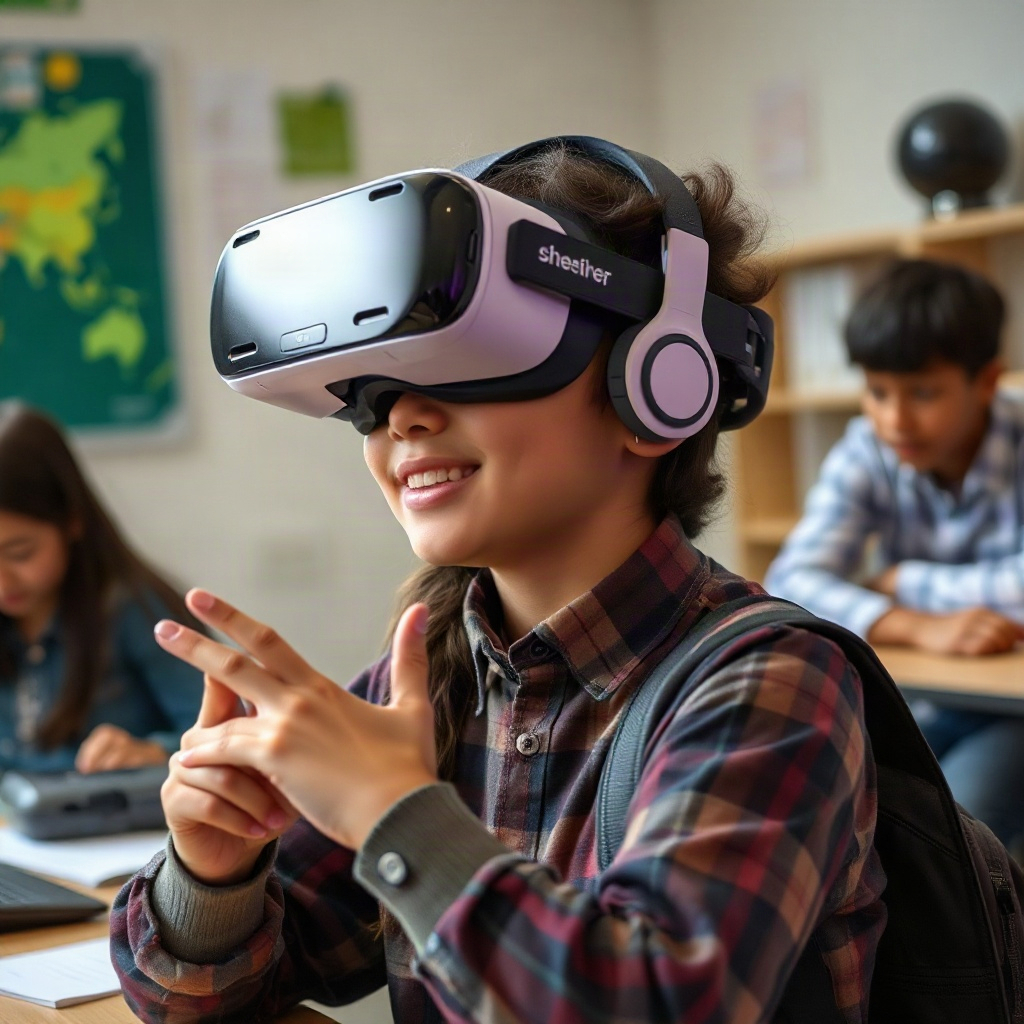
Virtual Reality and Augmented Reality in Education

Virtual reality (VR) and augmented reality (AR) technologies are revolutionizing the education sector by creating immersive learning experiences. These technologies enable students to explore virtual environments, conduct experiments, and interact with objects in ways that were previously not possible. By integrating VR and AR into the curriculum, educators can engage students in a more meaningful and impactful way.

Artificial Intelligence Personalized Learning

Artificial intelligence (AI) is being used to personalize learning experiences based on individual student needs and preferences. AI algorithms analyze student data to identify strengths and weaknesses, and tailor educational content to optimize learning outcomes. This adaptive learning approach ensures that each student receives customized support and guidance, leading to improved academic performance.

Gamification of Education

Gamification involves using game design elements in non-game contexts, such as education. By incorporating game-like features such as points, badges, and leaderboards into educational activities, educators can motivate students and enhance their engagement. Gamified learning experiences make education more interactive and enjoyable, encouraging students to actively participate and learn.

Skills Development Through Online Workshops and Webinars

Online workshops and webinars have become popular platforms for skills development, offering a wide range of topics and expert-led sessions. These interactive sessions provide participants with practical knowledge and hands-on experience in various fields. By attending online workshops and webinars, individuals can enhance their skills, stay updated on industry trends, and network with professionals from around the world.

The Impact of Technology on Traditional Classroom Settings

Technology has also influenced traditional classroom settings, transforming the way teachers teach and students learn. Interactive whiteboards, digital textbooks, and online collaboration tools have become common in classrooms, enhancing the learning experience and promoting student engagement. Teachers are now incorporating technology into their lesson plans to create dynamic and interactive learning environments.

The Future of Education and Skills Development

As technology continues to evolve, the future of education and skills development looks promising. New advancements such as artificial intelligence, virtual reality, and online learning platforms will play a significant role in shaping the way we learn and acquire new skills. Embracing these technological innovations will be crucial for individuals and organizations to stay competitive in the rapidly changing global landscape.

Related Articles

Leave a Reply

Your email address will not be published. Required fields are marked *

Back to top button