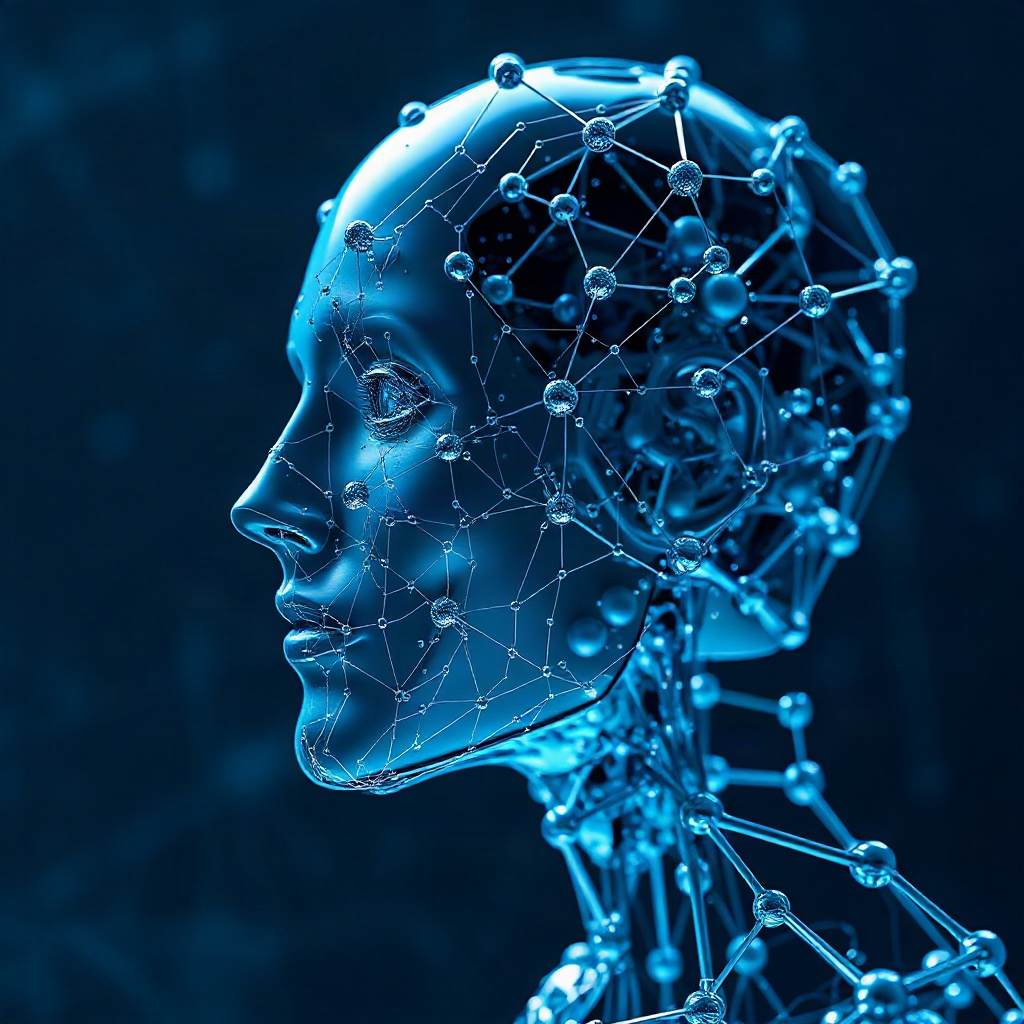
Generative artificial intelligence (AI) has been a rapidly growing field in recent years, with advancements in technology enabling machines to generate creative outputs. In this article, we will delve into the world of generative AI, exploring its models, training processes, and outputs in a plain-language guide.
Understanding Generative AI
Generative AI refers to algorithms and models that can produce new data instances that resemble the training data. Unlike other AI systems that are designed for specific tasks, generative AI has the ability to create new content, such as images, text, and music, based on the patterns it has learned.
Models Used in Generative AI
There are several types of models used in generative AI, including Generative Adversarial Networks (GANs), Variational Autoencoders (VAEs), and Autoregressive Models. Each model has its own strengths and weaknesses, and is suitable for different types of generative tasks.
Training Generative AI Models
Training generative AI models involves feeding them with large amounts of data and optimizing their parameters to generate realistic outputs. The training process often requires significant computational resources and time, as the models need to learn complex patterns and relationships within the data.
Challenges in Generative AI
Despite the advancements in generative AI, there are still many challenges that researchers and developers face. One of the main challenges is the generation of high-quality and diverse outputs, as well as ensuring that the models do not produce biased or harmful content.
Applications of Generative AI
Generative AI has a wide range of applications across various industries, including art, design, healthcare, and entertainment. From creating new artworks to generating realistic human faces, the possibilities with generative AI are endless.
Ethical Considerations in Generative AI
As generative AI becomes more prevalent, it is important to consider the ethical implications of its use. Issues such as copyright infringement, data privacy, and the potential misuse of generative AI technologies need to be carefully addressed by researchers and policymakers.
Future Trends in Generative AI
The future of generative AI looks promising, with ongoing research and development pushing the boundaries of what is possible. From more advanced models to novel applications, generative AI is set to revolutionize the way we create and interact with digital content.