Market cycles are an essential aspect of understanding how economies function and how investments perform over time. In this article, we will delve into the intricacies of market cycles, exploring their patterns, causes, and implications for investors and policymakers.
The Nature of Market Cycles
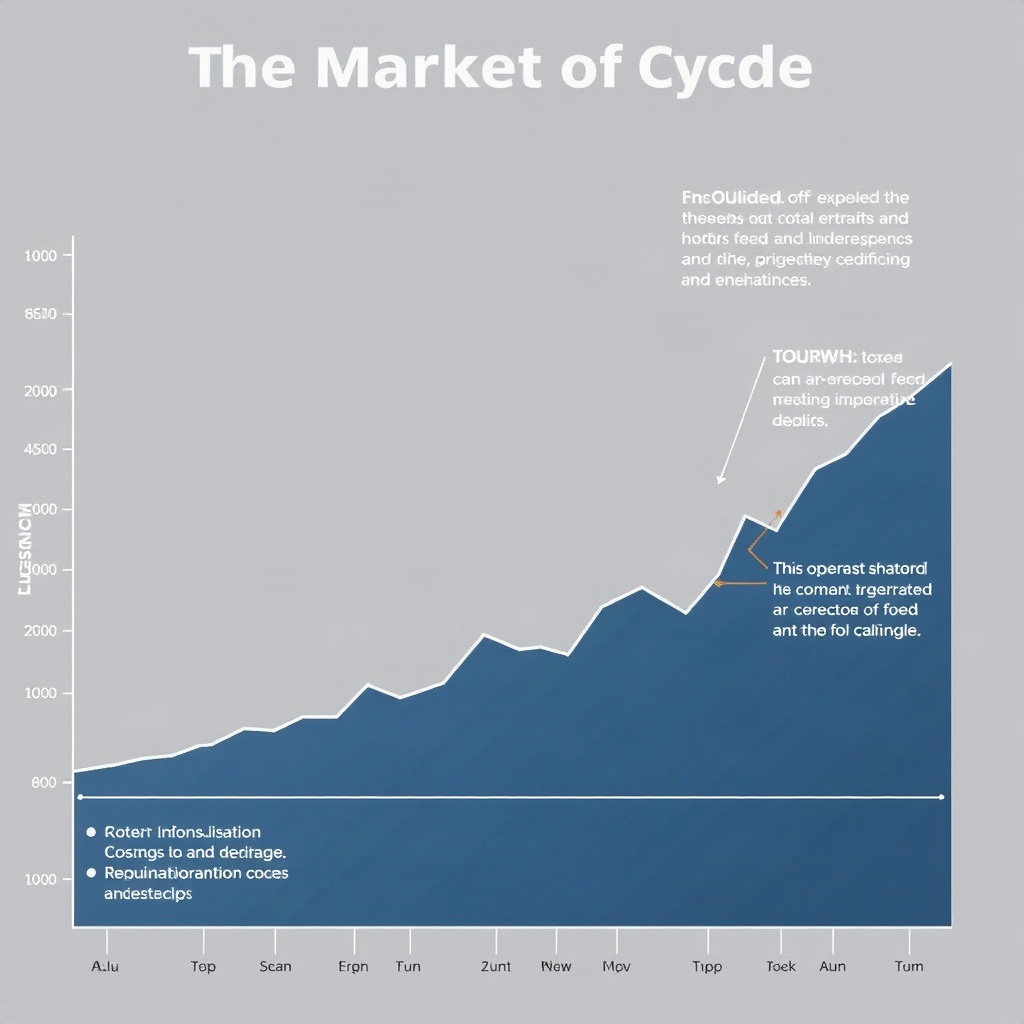
Market cycles are repetitive patterns of expansion and contraction in economic activity, asset prices, and investment opportunities. These cycles are characterized by periods of growth, peak, decline, and trough, reflecting the inherent volatility and unpredictability of markets.
Understanding Economic Indicators
Economic indicators play a crucial role in tracking and analyzing market cycles. Key indicators such as GDP growth, inflation rates, interest rates, and employment figures provide valuable insights into the current stage of the cycle and help forecast future trends.
Impact of Market Cycles on Investments
Investors must navigate through different phases of market cycles to optimize their investment strategies. During periods of expansion, risk appetite is high, leading to bullish markets and high asset prices. In contrast, during recessions, risk aversion prevails, causing bearish markets and declining asset values.
Policy Responses to Market Cycles
Governments and central banks often intervene in market cycles to mitigate the negative impacts of economic downturns and stimulate growth during recessions. Monetary policies, fiscal stimulus packages, and regulatory measures are commonly used tools to stabilize economies and restore investor confidence.
Market Psychology and Sentiment
Market cycles are not only influenced by economic fundamentals but also by investor behavior and market sentiment. Greed and fear play a significant role in driving market cycles, leading to irrational exuberance during booms and panic selling during busts.
Strategies for Managing Market Cycles
Successful investors adopt a proactive approach to managing market cycles by diversifying their portfolios, conducting thorough research, and staying informed about economic trends. By understanding the dynamics of market cycles, investors can make informed decisions and minimize risks.