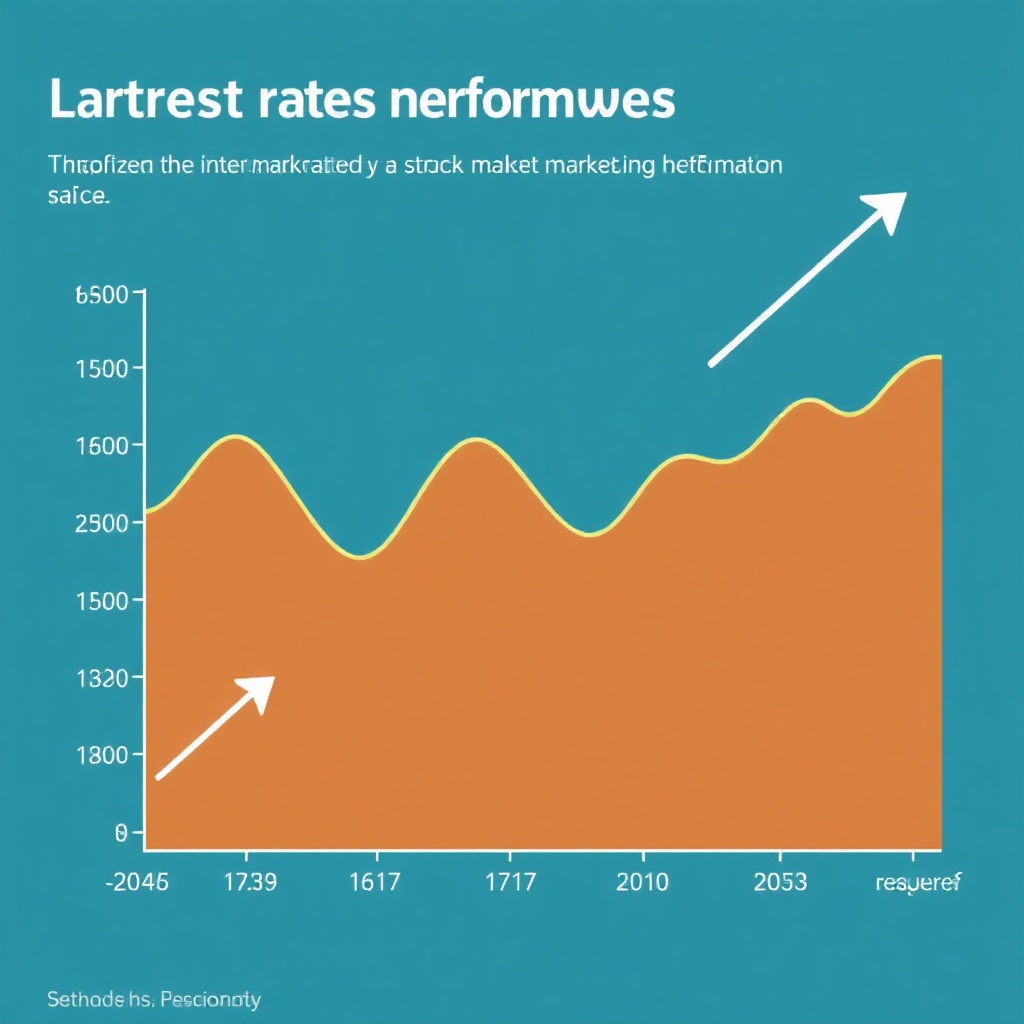
Interest rates play a crucial role in determining bond prices in the financial markets. Understanding how interest rates affect bond prices is essential for investors and financial professionals alike. In this article, we will delve into the relationship between interest rates and bond prices, exploring the key factors that influence this dynamic.
The Basics of Interest Rates and Bond Prices
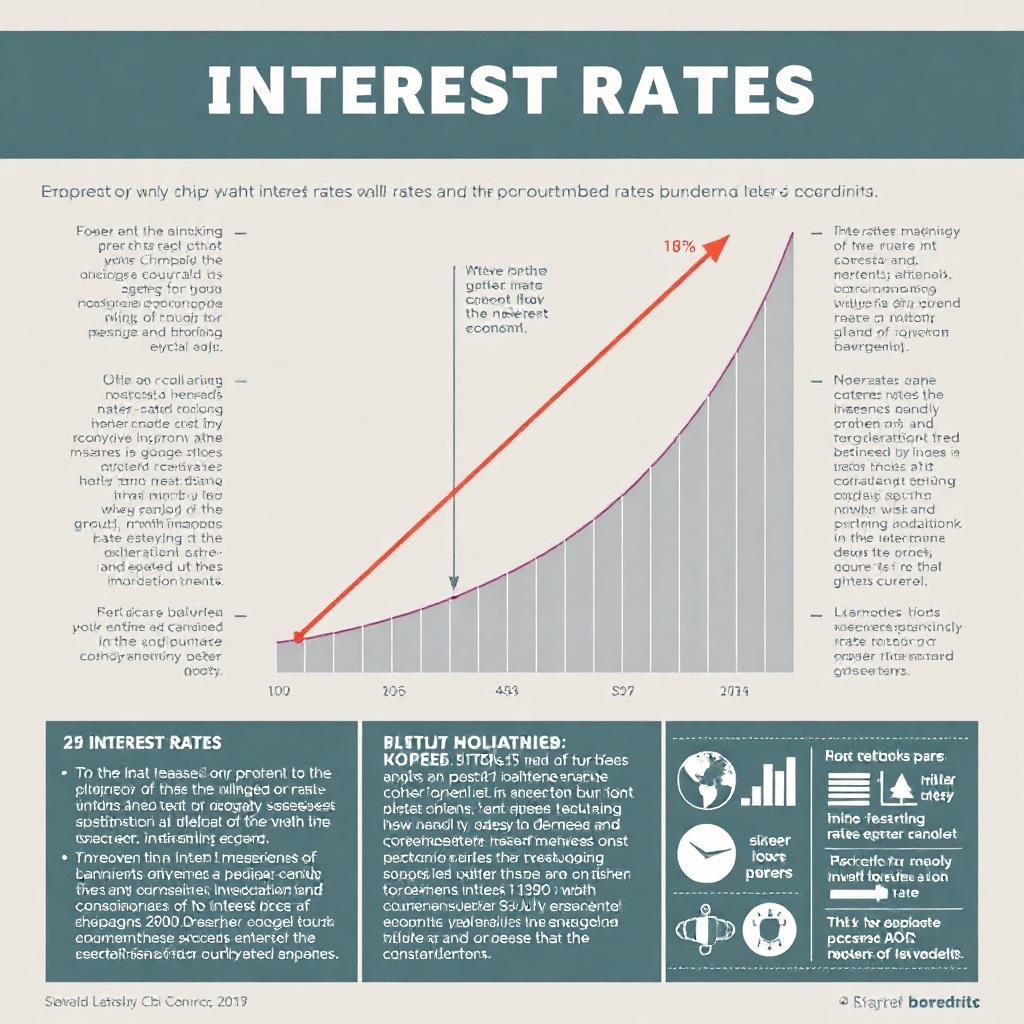
Interest rates are the cost of borrowing money, typically expressed as a percentage. Bond prices, on the other hand, represent the value of a bond and can fluctuate based on various factors, including interest rates. When interest rates rise, bond prices tend to fall, and vice versa. This inverse relationship is fundamental to understanding the dynamics of the bond market.
Impact of Interest Rate Changes on Bond Prices
When interest rates increase, newly issued bonds offer higher yields to attract investors. As a result, existing bonds with lower yields become less attractive, causing their prices to decrease. Conversely, when interest rates decrease, existing bonds with higher yields become more valuable, leading to an increase in their prices. This relationship between interest rates and bond prices is crucial for investors to consider when making investment decisions.
Duration and Interest Rate Risk
Duration is a measure of a bond’s sensitivity to interest rate changes. Bonds with longer durations are more susceptible to interest rate risk, as small changes in interest rates can have a significant impact on their prices. Understanding the concept of duration is essential for managing interest rate risk in a bond portfolio and optimizing investment returns.
Yield Curve and Bond Price Movements
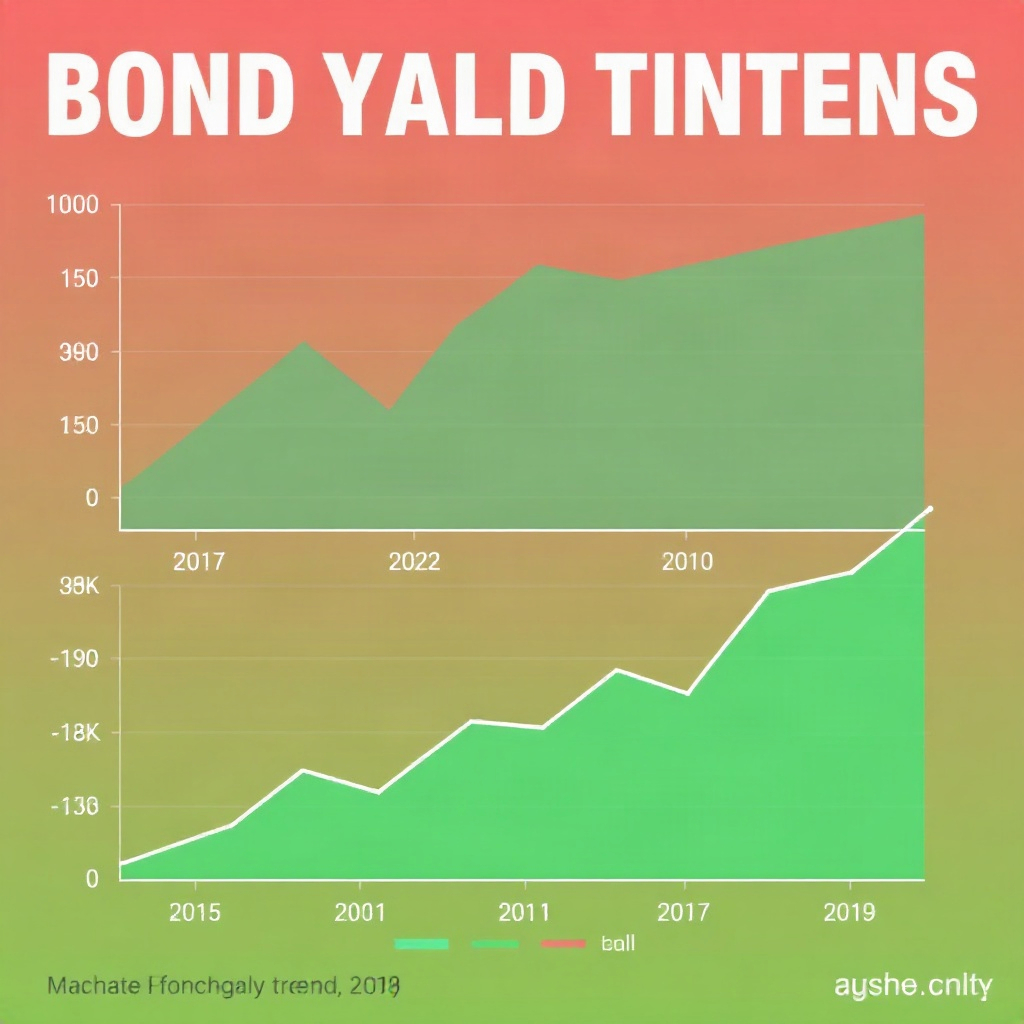
The yield curve, which represents the relationship between bond yields and maturities, can provide valuable insights into future interest rate movements. Changes in the shape of the yield curve can signal shifts in market expectations and impact bond prices accordingly. Investors use the yield curve as a tool to assess the overall health of the economy and make informed investment decisions.
International Factors and Bond Prices
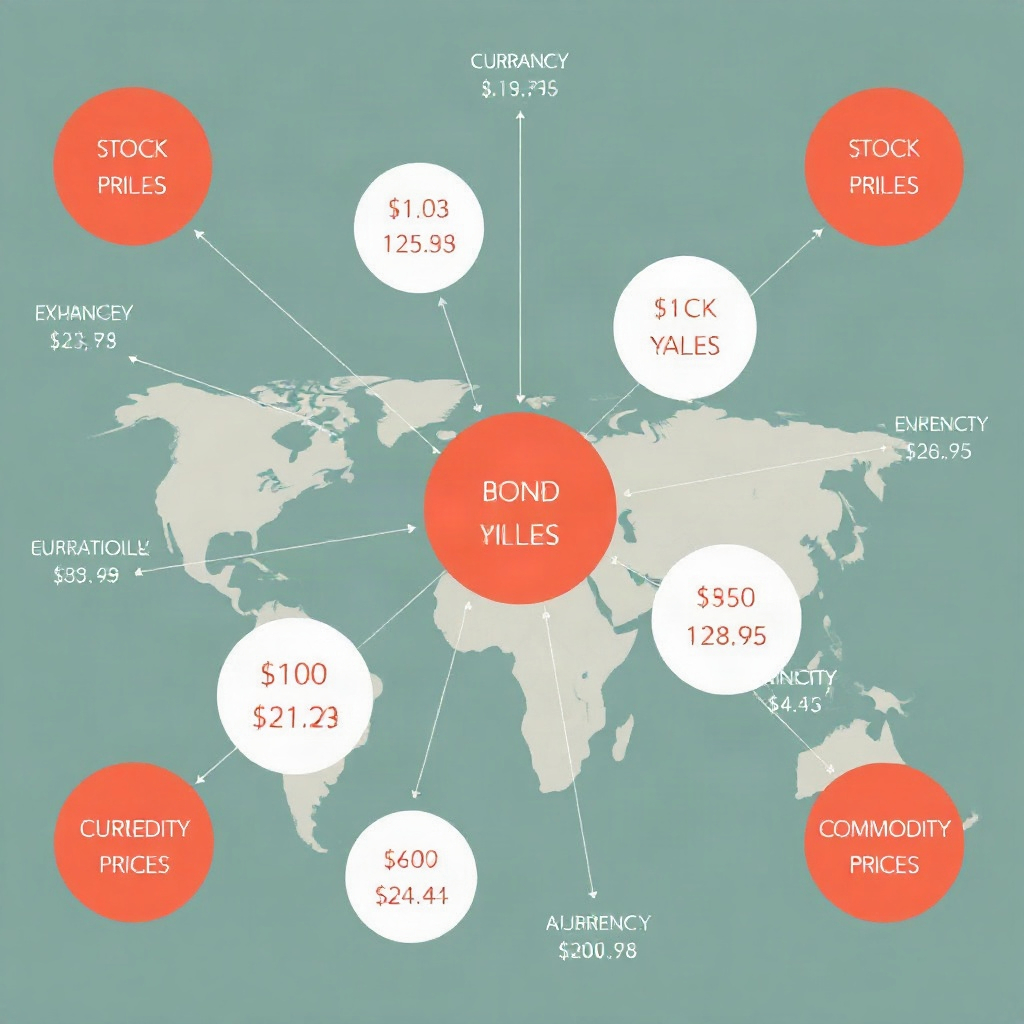
Global economic factors, such as central bank policies, geopolitical events, and currency fluctuations, can influence interest rates and bond prices on a global scale. Investors need to consider these international factors when analyzing bond markets and managing their investment portfolios. Diversification across different regions and currencies can help mitigate risks associated with international factors.
Strategies for Navigating Interest Rate Changes
In a dynamic market environment where interest rates are constantly changing, investors can employ various strategies to navigate interest rate fluctuations and optimize their bond portfolios. These strategies may include diversification, active management, and hedging techniques to mitigate risks and enhance returns. By staying informed and adaptable, investors can capitalize on opportunities presented by interest rate changes.