Geopolitics plays a crucial role in shaping the global economy, influencing trade, alliances, and conflicts among nations. Understanding how geopolitical factors impact the world’s economic landscape is essential for businesses, policymakers, and individuals alike. In this article, we will explore the intricate relationship between geopolitics and the global economy, highlighting key concepts and examples.
The Role of Geopolitics in Global Economy
Geopolitics, the study of the influence of geographical factors on politics and international relations, has a profound impact on the global economy. Factors such as natural resources, strategic locations, and political stability play a significant role in shaping economic activities at both regional and global levels. Geopolitical tensions can lead to trade disruptions, market fluctuations, and geopolitical risks that affect the stability of the global economy.
Geopolitical Hotspots and Economic Implications
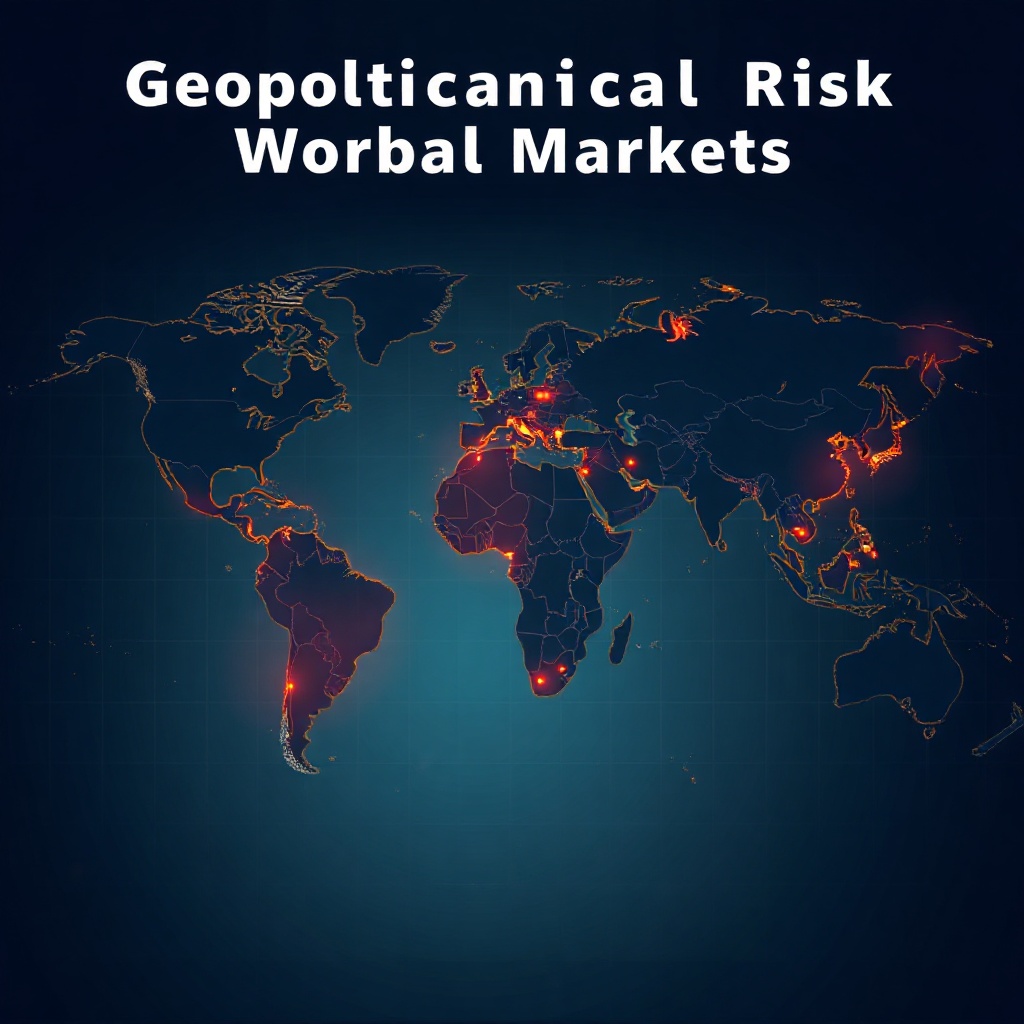
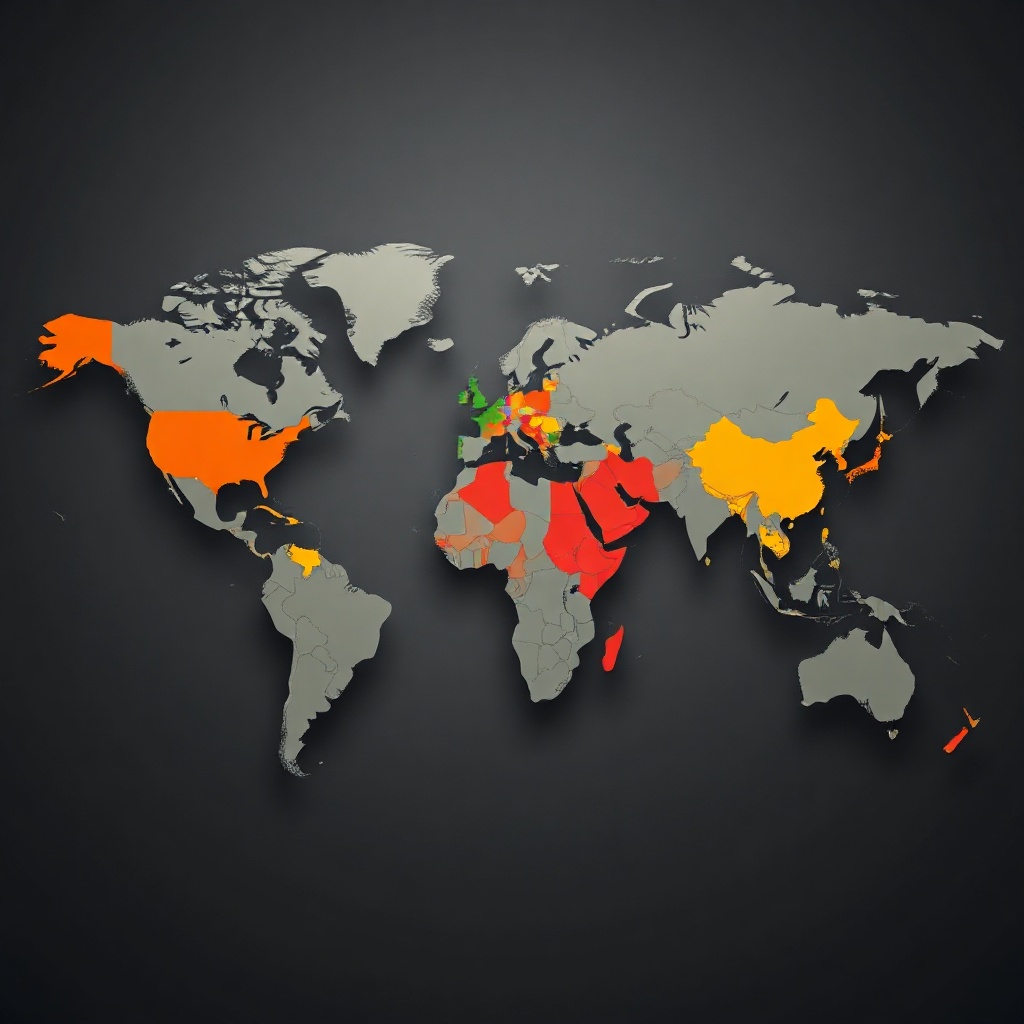
Certain regions in the world are considered geopolitical hotspots due to ongoing conflicts, territorial disputes, or geopolitical rivalries. These hotspots pose unique challenges for the global economy, as they can disrupt supply chains, increase geopolitical risks, and impact trade flows. Understanding the economic implications of geopolitical hotspots is essential for businesses operating in these regions and policymakers seeking to mitigate risks.
Geopolitical Alliances and Economic Cooperation
Geopolitical alliances play a crucial role in fostering economic cooperation and trade agreements among nations. Alliances such as the European Union, NATO, and BRICS have been instrumental in promoting economic integration, reducing trade barriers, and enhancing economic growth. By leveraging geopolitical alliances, countries can strengthen their economic ties, expand market access, and promote sustainable development.
Geoeconomic Strategies and Power Dynamics
Geoeconomic strategies, which focus on the intersection of economics and geopolitics, are becoming increasingly important in shaping global power dynamics. Countries are using geoeconomic tools such as trade agreements, economic sanctions, and investment policies to advance their geopolitical interests and influence the global economy. Understanding the geoeconomic strategies of key players is essential for navigating the complex web of global power dynamics.
The Future of Geopolitics and Global Economy
As the world becomes more interconnected and interdependent, the future of geopolitics and the global economy is likely to be shaped by emerging trends such as digitalization, climate change, and geopolitical realignments. Adapting to these trends, understanding their implications, and developing strategic responses will be crucial for businesses and policymakers in navigating the evolving geopolitical landscape and ensuring economic stability.
Conclusion Navigating Geopolitical Risks in a Globalized Economy
In conclusion, the intricate relationship between geopolitics and the global economy highlights the need for a nuanced understanding of geopolitical risks, opportunities, and challenges. By recognizing the impact of geopolitical factors on economic activities, businesses and policymakers can make informed decisions, mitigate risks, and seize opportunities in a rapidly changing globalized economy.