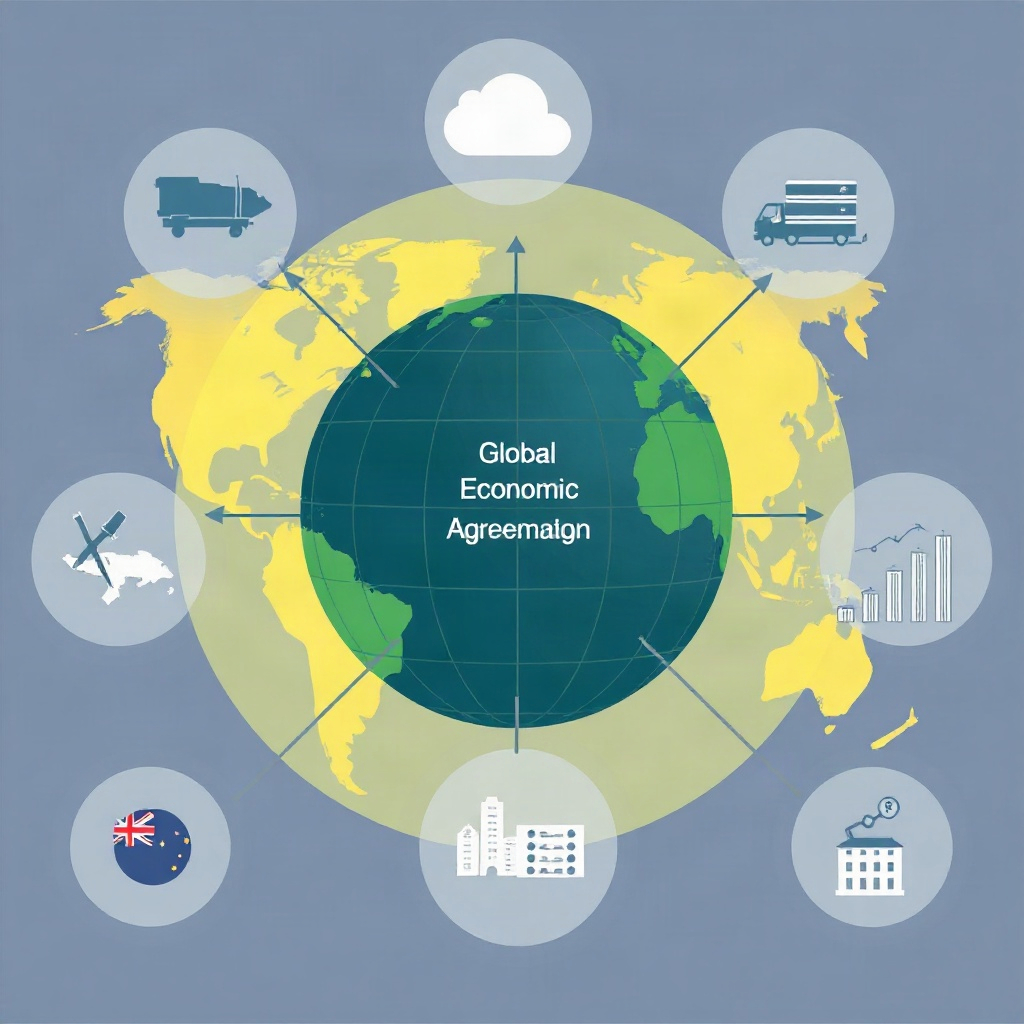
In today’s interconnected world, global economic relationships play a crucial role in shaping the overall economic landscape. From trade agreements to foreign investments, the interactions between countries have far-reaching implications on economies worldwide. Understanding these relationships is essential for policymakers, businesses, and individuals alike to navigate the complexities of the global economy.
The Impact of International Trade
International trade is a cornerstone of the global economy, driving economic growth and fostering cooperation between nations. The exchange of goods and services across borders not only benefits countries by providing access to a wider market but also promotes innovation and specialization. Trade agreements, such as NAFTA and the European Union, have significantly impacted the global economy by reducing trade barriers and facilitating cross-border transactions.
Foreign Direct Investment A Key Driver of Economic Growth
Foreign direct investment (FDI) plays a pivotal role in fostering economic development by stimulating job creation, infrastructure development, and technology transfer. Multinational corporations often invest in countries with favorable economic conditions to expand their market presence and access new opportunities. The influx of FDI can boost a country’s GDP and enhance its competitiveness in the global market.
The Role of Multinational Corporations
Multinational corporations (MNCs) operate across borders and have a significant impact on the global economy. These companies drive innovation, create employment opportunities, and contribute to technological advancements. MNCs play a crucial role in shaping global supply chains and influencing consumer behavior. Their operations are closely intertwined with international trade and foreign investment, making them key players in the global economic landscape.
The Importance of Bilateral and Multilateral Agreements
Bilateral and multilateral agreements are essential tools for fostering economic cooperation and resolving trade disputes between countries. These agreements outline the terms of trade, investment, and intellectual property rights, providing a framework for economic interactions. Organizations such as the World Trade Organization (WTO) and the International Monetary Fund (IMF) play a crucial role in facilitating these agreements and ensuring compliance with international trade regulations.
Emerging Markets Drivers of Global Economic Growth
Emerging markets, such as China, India, and Brazil, have become key players in the global economy, driving economic growth and innovation. These countries offer vast opportunities for investment and market expansion, attracting businesses from around the world. As these economies continue to develop, they are reshaping the global economic landscape and challenging traditional economic powerhouses.
The Future of Global Economic Relationships
The future of global economic relationships is shaped by a myriad of factors, including technological advancements, geopolitical shifts, and environmental concerns. As countries strive to navigate these complexities, collaboration and cooperation will be key to fostering sustainable economic growth. By fostering strong economic relationships and promoting inclusive development, countries can create a more resilient and interconnected global economy.